Pineapple Jam – 4 Simple Tips

pineapplejam 002

I am really glad that I made the switch to homemade pineapple jam and it is not as difficult as I have imagined.  I always thought that I would either burn the jam or scald myself while stirring the bubbling, boiling hot jam.  But after several attempts, I am glad that none of that happened, what’s more, I have discovered 4 simple tips that make the cooking of pineapple jam not so tedious (or risky.)

01. Cut down the prepping time

Yes, the jam recipe I am using still takes at least 2 hours to cook, but what I am suggesting is to cut down the time taken to prepare the fresh pineapples before grating them.  It is extremely helpful get the fruit seller to have the crown, skin and “eyes” removed, this would take away an hour or so of preparation time, depending on how many pineapples you are using.

02. Cook the jam in a enameled dutch oven

I cook 2 medium size pineapples each time in my 20cm dutch oven pot.  Most recipes state to cook the jam in a non-reactive pot, due to the acidity of the pineapples.  Instead of stainless steel pots which are the most common non reactive cookware, I find that the enameled cast iron pot distributes heat more evenly, very important for jam recipes which require long hours of boiling and and even longer simmering.  Even after the sugar has caramelized, the jam does not stick to the pot easily, scoring extra brownie points as I prefer my jam really sticky for my enclosed pineapple tarts, which means that I tend to cook my jam much longer than stated in the recipe stated.  If you are making open face tarts, the pineapple jam can be less sticky as they will be cooked further under direct heat in the oven with the tart pastry.

03. Add sugar only after the liquid from the grated pineapples has been reduced first

Some recipes ask to combine and cook all the ingredients from the beginning, which would require the cook to stand next to the stove from start-to-end, stirring all the time, so that the jam will not burn due to the sugar.  Thanks to Wendy, I have never once burnt my jam with her tip to add sugar only when the pineapple mixture has almost dry up after the first round of boiling and simmering.

04. Core or no core?

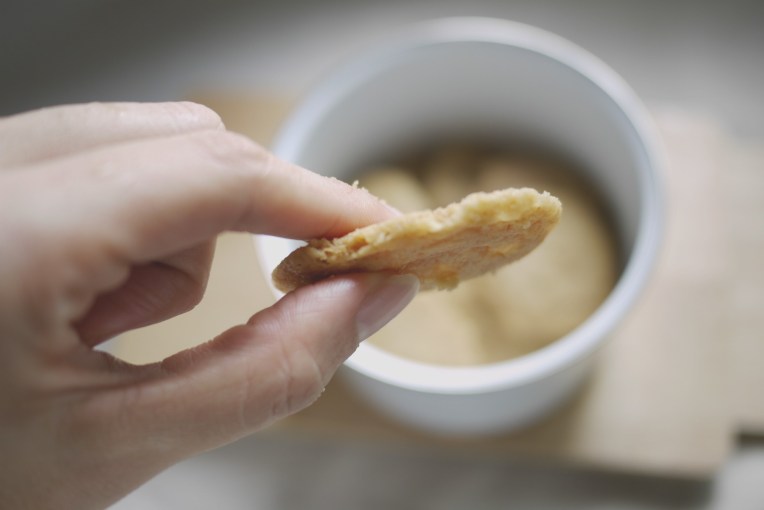
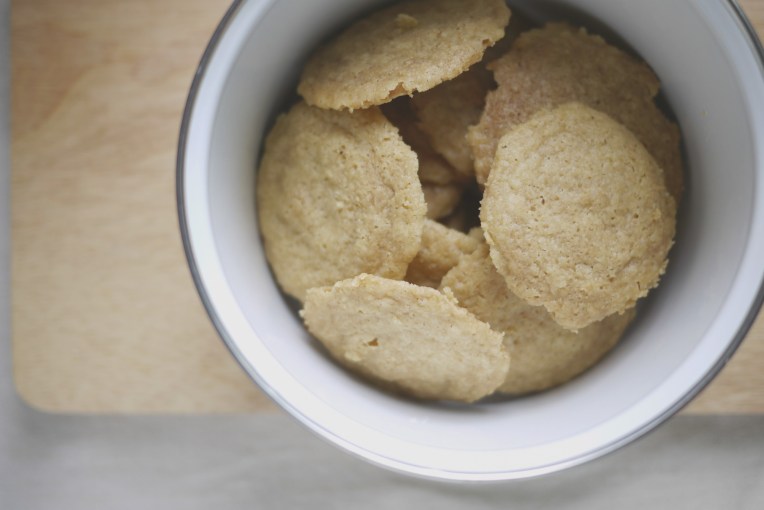
Lastly, some recipes suggest to discard the tough core of the pineapple, and only use the juicy part to make the jam.  That may be true for making spread where you want the jam to be as jelly smooth as possible.  But for pineapple tarts, not only do I like the jam sticky, I like it fibrous as well, as evident in the photo of the end product above.  So I use the core and all, hand grated with the largest size hole on my Daiso grater, instead of the food processor way, to produce jam with a more fibrous texture.  So if you find my jam texture too tough to your liking, either omit the core in your cooking, or use food processor to blend the fruit into a finer texture.

Do you have any other tips to share?

pineapple jam 002

pineapplejam 001

PINEAPPLE JAM
ADAPTED FROM : TABLE FOR 2 OR MORE & TRAVELLING FOODIES

2 fresh pineapples (skin, "eyes" removed)
2 cinnamon sticks
5 cloves
½ star anise
150g-200g raw sugar
2-4 tablespoons lemon juice

METHOD

01. Grate pineapples including the fibrous cores using a grater with a relatively large size hole.

02. Cook the grated pineapple pulp, cinnamon sticks, cloves and star anise in a wide mouth, non reactive cooking pot till the mixture boils.  Turn down the heat to medium and let it simmer and the liquid will start to evaporate.

03. Once the runny mixture has been reduced to a thick consistency, add sugar and lemon juice, amount depending on how sweet/sour your pineapple is, and how sweet/sour you want your jam to be.  This addition will turn the sticky jam into a runny mixture again, continue cooking at medium heat to let the liquid reduce for a second time, stirring all the time with wooden spoon to prevent the sugar/jam from getting burnt.

04.  When the liquid has almost dry out, turn up the heat, this time to caramelize the jam and turn the pale yellow mixture into golden yellow paste.  Remove from heat when you are happy with the color/texture of the jam, and let it cool completely.  Do note that the jam will dry up further during the cooling stage.

DIY Calendar Wooden Frame

calendars printable 2016 001

This diy project takes just S$4 to purchase the supplies and under 5 seconds to assemble, not including the printing part.

Simple choose a calendar you like, print it in A5 size. I chose this monthly calendar from here and print it in booklet form on both sides of the paper.

calendar stand 001

Next, get a large paper clip with magnetic backing, make sure it is a strong one, like this one I got from Daiso.

calendar stand 002

Then under the kitchen section, look for a wooden cutting board is a bit bigger than A5 size.  I found this bamboo wood board, also from Daiso.

calendar stand 003

Lastly, simply clip the the printout onto the board, and display it on any metal surface around the house, like the fridge door or bomb shelter entrance.

calendar stand 004

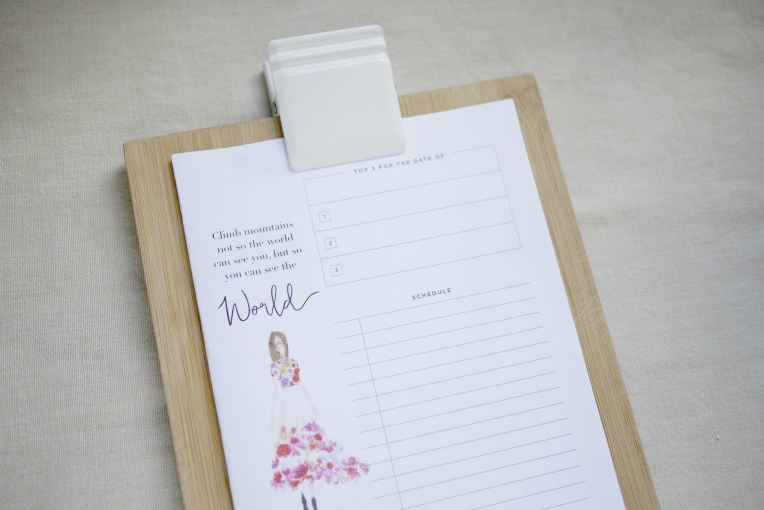
I tried it with a planner print out, it’s just as pretty!

calendar stand 005

Printable Calendars + Planners 2016

calendars printable 2016 001calendars printable 2016 003calendars printable 2016 002

Calendars that are so pretty, I find myself using them as decor items around the house.

// this monthly one from The Anastasia Co (above, 1st pic)

// this minimalistic yearly calendar from Nordic Mojo (above 2nd pic)

// this lovely daily planner from Creators Couture (above, 3rd pic)

// this A5 planner inserts from Pengems

// this customisable monthly calendar from It’s Always Autumn

// this 3D calendar is available again from A Piece Of Rainbow

// this monthly planner from Landee See Landee Do

++ HAPPY 2016 & HAPPY PRINTING! ++

Simple Golden Syrup Popcorn

simple popcorn003simple popcorn002simple popcorn001   simple popcorn004 simple popcorn005

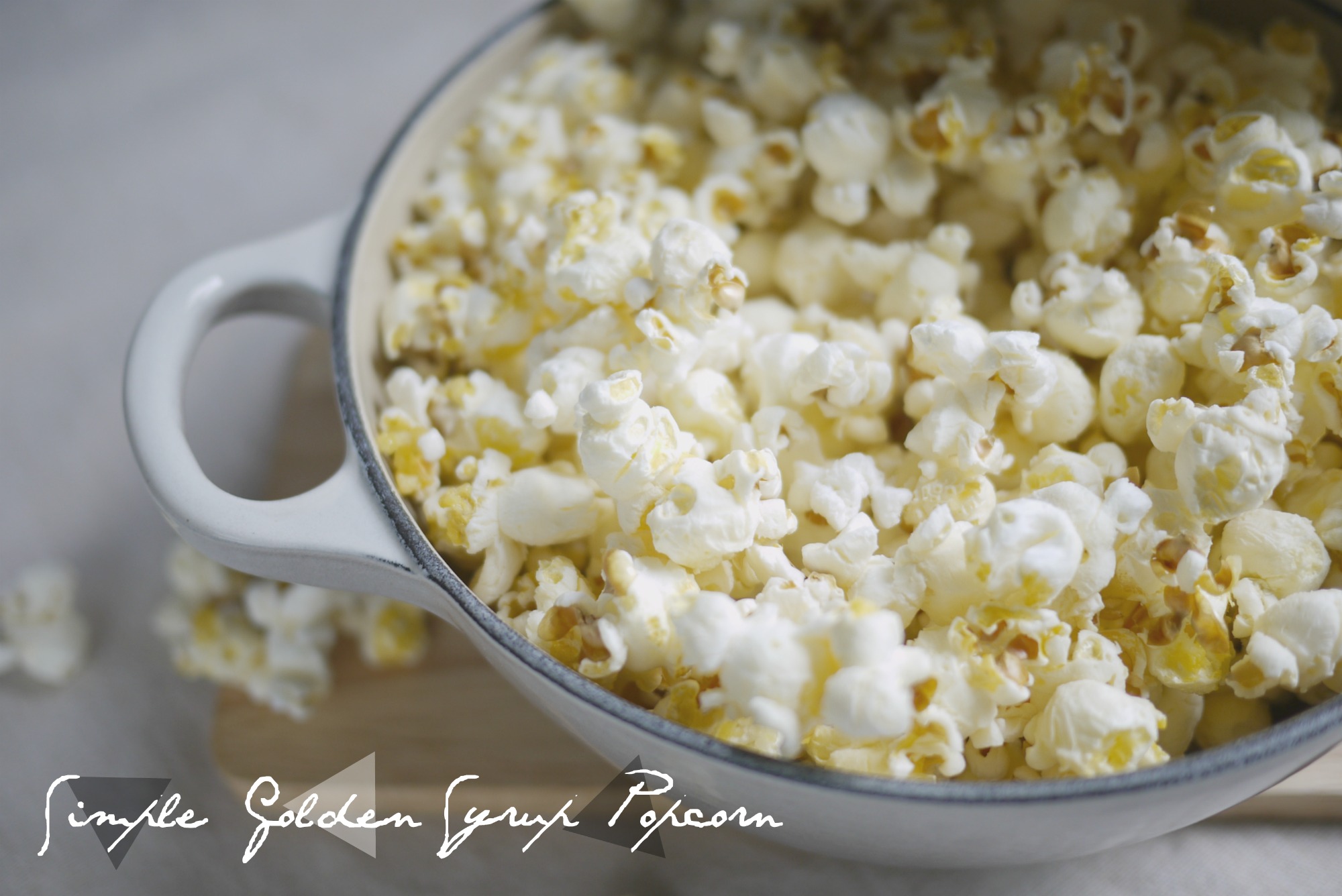
The go-to snack for movie can’t get any easier to prepare when you have golden syrup ready at home as topping.  I used coconut oil to pop the corn kernels, which makes them even more amazing.  The 1/3 cup corn kernels took less than 5 minutes to be done, and they popped to fill up an entire pot.

SIMPLE GOLDEN SYRUP POPCORN


3 tablespoons coconut oil
1/3 cup corn kernel
Golden Syrup

METHOD

01. Place 3 corn kernels in a covered pot and heat over medium fire.

02. Once you hear the 3 kernels are popped, remove them from the pot, and add coconut oil and rest of corn kernels into the pot, covered with lid.

03. Corn kernels should start popping in a while, shake the pot back and forth intermittently, so that the popped kernels does not get charred below.  Lift the lid slightly to let steam escaped.

04. Once the popping slow down to just 1 per second, turn off fire, and pour the popcorns into a big mixing bowl.

05. Drizzle golden syrup over the popcorn, mix well with a spoon.

06. Serve immediately, or store in an airtight container.


#03 of #cookdaiso52 with corn kernels from Daiso

4 Ingredients Piped Butter Cookies Ver 2.0

block butter 4 ingredient 001 block butter 4 ingredient 002

I just could not find the Golden Churn Butter in tin form after 3 days of looking around, and decided to take matter into my own hands by baking with good old block butter.  This recipe here uses exactly the same proportion of ingredients as my previous attempt.  Plus, there are plenty who recommend to chill the piped cookies in the fridge for 30 minutes before baking so that the piped pattern stays after baking.  So I think using block butter should work, and they are cheaper than the tinned butter, no harm trying, again.

But before that, I have actually tried with …ghee.  I used the same recipe and replace the fat, and I ended up with this.block butter 4 ingredient 006block butter 4 ingredient 008block butter 4 ingredient 009 block butter 4 ingredient 010

Wafer.thin.  Maybe with ghee, more flour is required.  But I am not good at troubleshooting from scratch, so off with the block butter for my second try.

block butter 4 ingredient 013 block butter 4 ingredient 014 block butter 4 ingredient 015 block butter 4 ingredient 016block butter 4 ingredient 018

The patterns appeared fainter after baking, but still turned out better than the ghee version.  So in case the tinned butter is nowhere to be found, just use blocked butter, but chill the dough for 30 minutes before baking.  As the temperature of the dough is colder, I baked them at 180C, instead of 170C.

4-INGREDIENTS PIPED BUTTER COOKIES VER2.0
ADAPTED FROM : NASI LEMAK LOVER

200g salted block butter, melted
50g icing sugar
150g bread flour
50g corn flour/starch

METHOD

01. Mix bread flour and corn flour/starch together and sift, set aside.

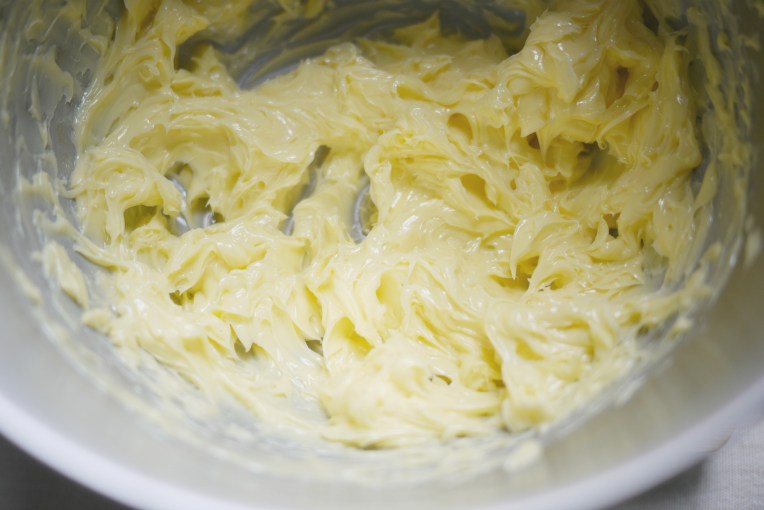
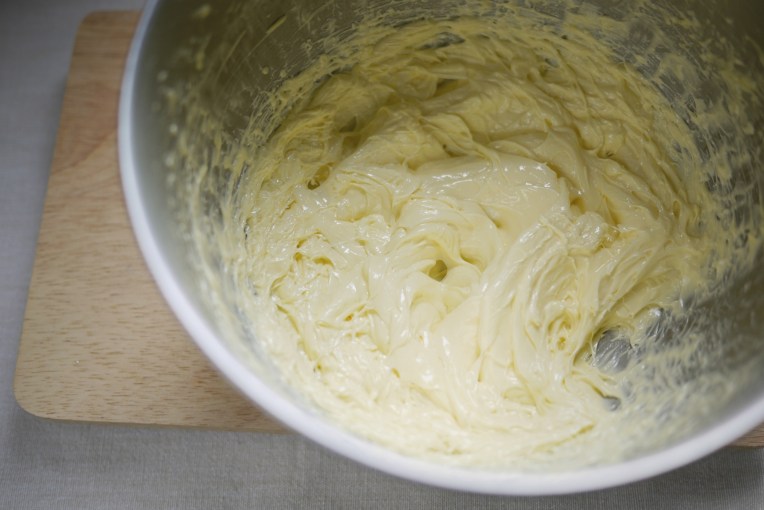
02. Whisk butter till pale and fluffy with an electric whisk on medium speed.

03. Add icing sugar, continue whisking till all the powder sugar disappear.

04. Pour in the flour mixture, and fold in with a spatula.  Stop once there are no traces of flour.  Over mixing will let gluten form and end up with a harder cookie.

05. Pipe cookies onto baking tray.

06. Bake in a preheated oven 180C for 18 min, until golden brown.

07. Cool cookies completely before storing in an air tight container.

4 Ingredients Piped Butter Cookies

piped butter cookies 001

Processed with VSCOcam with a6 presetpiped butter cookies 003

If you are looking for a melt-in-the-mouth-cookie recipe for kids to bake during the coming holiday season, I would like to suggest this 4-ingredients piped butter cookies.  There are many piped butter cookies recipes online, and with HK Jenny Bakery’s recent onshore invasion, more copycat recipes are popping up.  But this seems the easiest for young kids to handle, with the least number of ingredients to weigh and measure (translate : less mess to clean up!) and the cookies holds its shape very well after baking (translate : 100% success rate, no ingredient wasted!)  The important key to success appears to be the choice of butter (Golden Churn)and type of flour (bread flour).

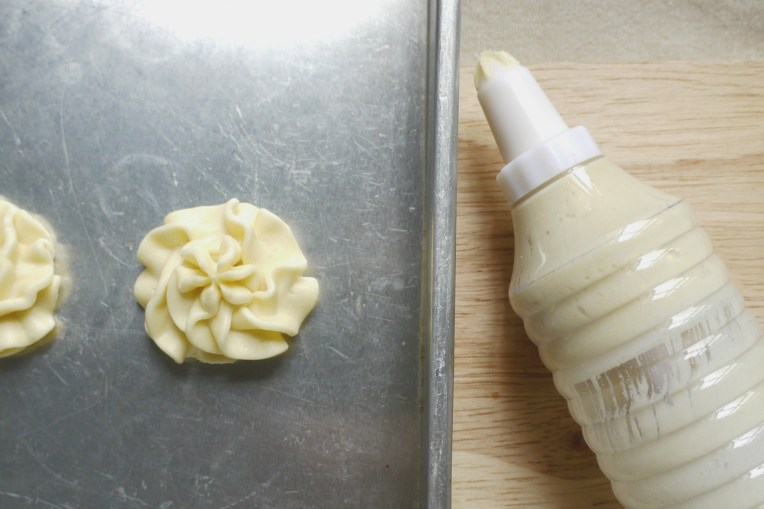
To make this with my kids, I bought a plastic cream piping syringe from Daiso that comes with 7 nozzles of different designs.  It fits nicely in a young child’s hands, and is so much easier to handle than a piping bag.  I end up using it to make my own batch of piped cookies as well.  Washing the greasy plastic nozzles after using it is a slight problem, as I cannot boil them in water like my metal piping nozzles.  I used cotton buds and liquid detergent to wash them in the end.  Its small capacity also means that I need to refill the piping syringe more often, compared to filling a large pastry bag with the entire batch of cookie dough.

With this recipe, the kids made cookies of many different patterns, trying out various piping nozzles and styles, none of them failed in taste test or collapse after baking!  And once the kids have mastered this basic recipe, they can tweak it to make chocolate, coffee or coconut version, but for us, the fun is really in the piping of the cookies.

4-INGREDIENTS PIPED BUTTER COOKIES
ADAPTED FROM : SUGARLICIOUS AND SUPERFOOD DIARY

200g Golden Churn tin butter
50g icing sugar
150g bread flour
50g corn flour/starch

METHOD

01. Mix bread flour and corn flour/starch together and sift, set aside.

02. Whisk butter till pale and fluffy with an electric whisk on medium speed.

03. Add icing sugar, continue whisking till all the powder sugar disappear.

04. Pour in the flour mixture, and fold in with a spatula.  Stop once there are no traces of flour.  Over mixing will let gluten form and end up with a harder cookie.

05. Pipe cookies onto baking tray.

06. Bake in a preheated oven 170C for 18 min.

07. Cool cookies completely before storing in an air tight container.


Note: My #2 of #cookdaiso52 challenge with daiso’s icing syringe

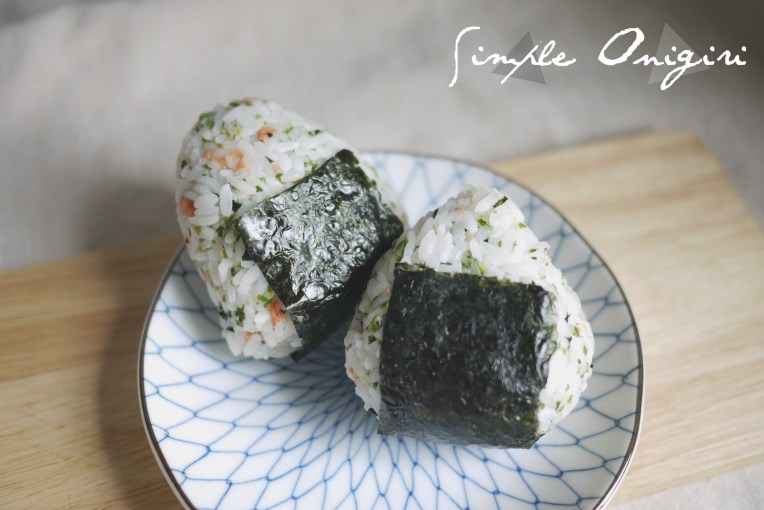
Simple Onigiri : Salmon Rice Mix And Dulse

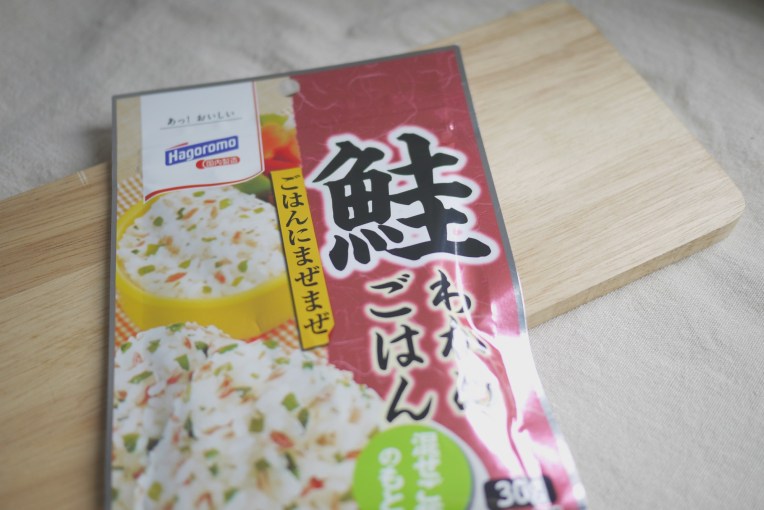
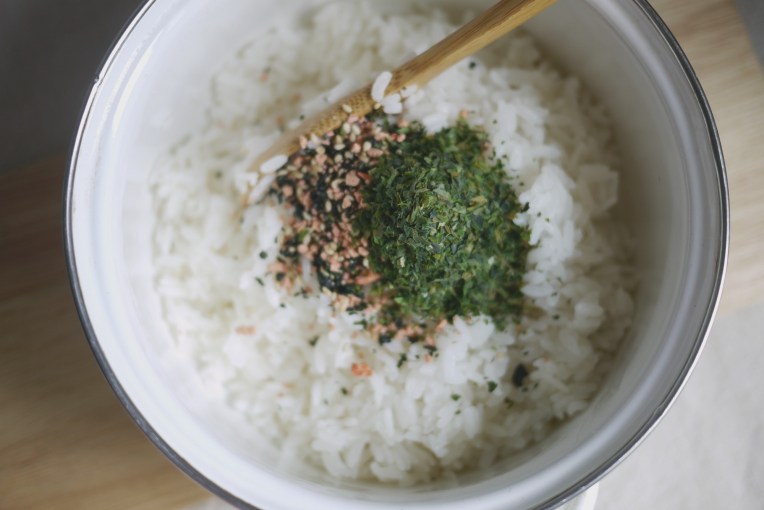
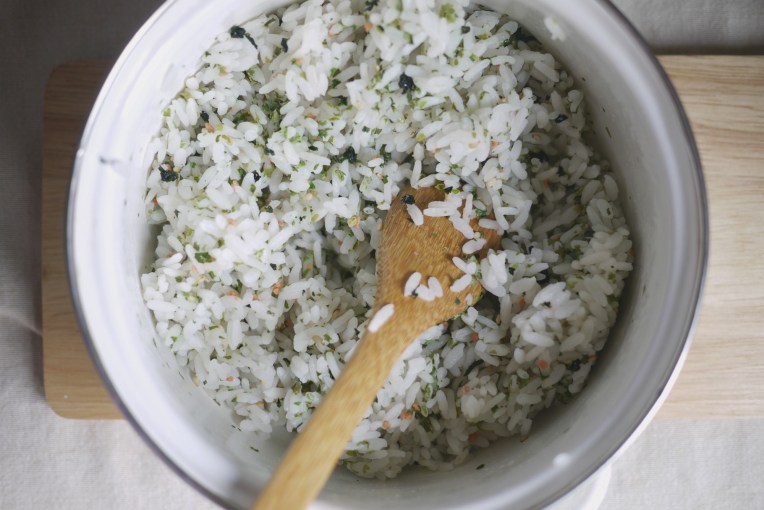
simple onigiri 001 simple onigiri 003 simple onigiri 004 simple onigiri 005 simple onigiri 006

Onigiri makes a great rice meal that can be prepared in less than 30 minutes.  When 3 out of the 4 ingredients are instant, how long can they take to make?  They are pretty to look at and also taste good according to the kids.  Whenever I pick them up from school, they will request for finger food to munch on their ride home.  Onigiri is one of such car ride friendly snacks: no food spills!

// Some recipes call for sushi vinegar to be added to the cooked rice first, as I find the rice mix already contains sugar and salt, I skipped this step.

// I realized that with some creativity, I can actually cook quite a variety of food often using ingredients or kitchenware from Daiso.  I am starting this #cookdaiso52 challenge to see if I can hit 52 dishes with things from Daiso.  This is #1.  This could mean more onigiri variations coming.

SIMPLE ONIGIRI : SALMON RICE MIX AND DULSE
#1 of #COOKDAISO52

INGREDIENTS

2 cups cooked short grain rice
1 tablespoon salmon rice mix*
1 tablespoon dulse flakes*
nori sheets*

METHOD

01. When the cooked rice are still hot after cooking, add the salmon rice mix and dulse flakes and mix well.  The dried rice mix needs the heat from the steamed rice to hydrate.  Allow rice to cool slightly till warm to touch.

02. With wet hands (to prevent rice from sticking on working hands), take out a handful of the prepared rice and roll them into a ball, triangle or oblong shape, pressing the rice balls tightly together so that it will not fall apart.

03. Wrap rice balls with cut nori sheets according to liking.  I wrapped mine at the base of the triangle where my hand will hold the Onigiri to eat.

04.  Repeat with the rest of the rice.


* from Daiso

Housekeeping : Cleaning The Washing Machine

cleaning washingmachine 002
Frankly, I felt like throwing away my 3 year old washing machine after cleaning it with the $2 detergent from Daiso.  The type of grime that surfaced after a 6-hour soak surprised me.  The clean freak in me just wanted to start afresh with a brand new one after learning how much gunk there is in a machine that is supposed to keep my laundry clean.  But there are some features that I really like about this washer, which I do not see in the current models.  So it is better to maintain a strict cleaning schedule for the washer, than to spend money on a new one which will eventually become dirty if neglected.

cleaning washingmachine 004
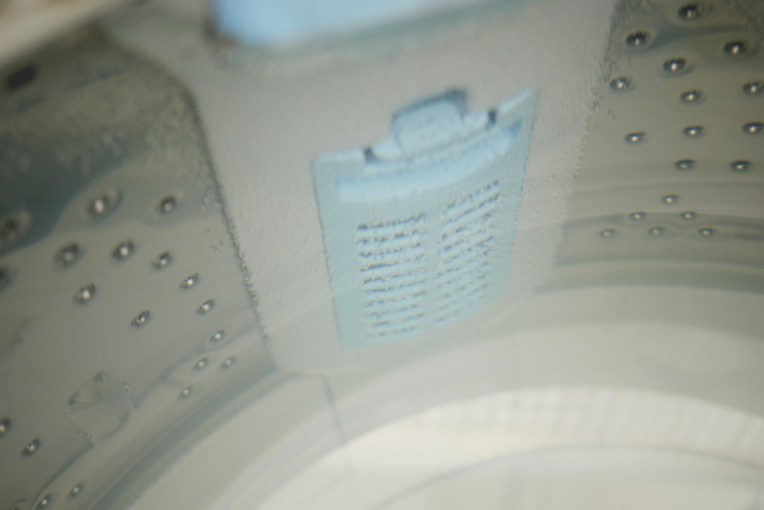
Why do I like my current washer?  First of all, it has a TUB DRY function.  I am not sure what exactly this is, but I know that the machine needs to be as dry as possible to  prevent mold and mildew from growing inside the washing machine.  The manual stated that this feature will allow water to evaporate from the tub; sounds like all machines should have this button, who will want the washer to remain wet after use?

Maybe this feature is a given in all other washers, but my hope is that the tub dry function actually opens up whatever “inlet/outlet” it has to improve air circulation, allowing the tub/drum and other inner surfaces to dry up as much as possible before the next use.

Secondly, the washer includes a TUB CLEANING mode, see that sparkle and shine drawing on the panel?  Again, I am unsure of its effectiveness; if it has any special motion programmed to really clean up the tub and wonder if this 54-minutes of spinning alone is enough to keep it clean; the user manual recommends “chlorine-type” detergent, so I use bleach only.  So far, that is all I do to clean the washer.

Lately, I found out about the availability of special washing detergent for washing machine from a Taiwanese home shopping channel.  One thing led to another, I saw pictures like this, video like this and a homemade version like this, and decided to try a washer detergent that I found in Daiso.  I have seen similar ones being sold at a Japanese supermarket, but they cost a lot more.

cleaning washingmachine 001
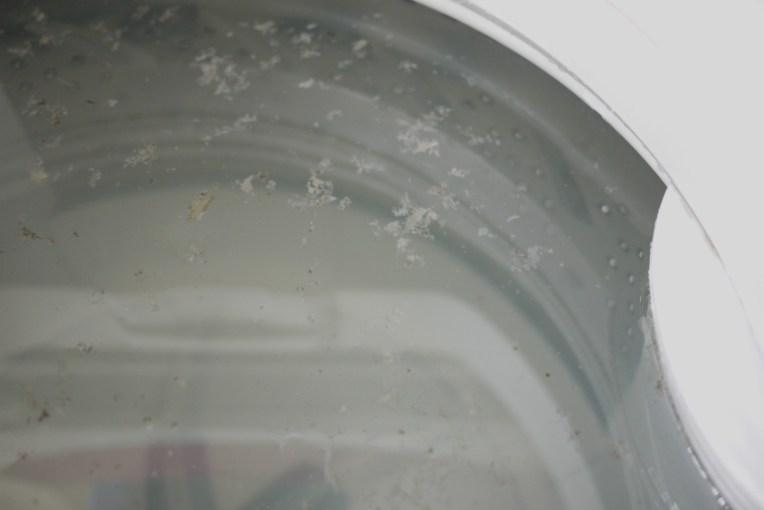
This box of washer detergent from Daiso comes with two individual sachets, 75g for each use.  I open up a sachet and pour the white powder into the machine while it is loading itself with water.  By the time the water level reaches the full load mark, I notice some black stuff floating around.  They look similar to the black flakes that occasionally attach themselves to my clean laundry.  I pause the cycle at this juncture, and let the tub soak in the solution for 6 hours.

cleaning washingmachine 007cleaning washingmachine 008
(photo above) These delightful looking bubbles appear after a few hours, letting me feel that the detergent is working, indication of cleaning in progress.
cleaning washingmachine 003
After 6 hours, I switch on the machine again to continue its cleaning cycle.  As the washer start spinning, more dirt surface.  By now, I am pretty convinced that my earlier rounds of tub cleaning sessions have worked, even with bleach only.  If you think mine is dirty, take a look at this user’s account.

I decided that it is better to sieve out these floating particles than to leave them to drain on their own, in case they get stuck somewhere along the pipes and remain inside the washer.

(photo below) The small strainer  will be used for cleaning washing machine only from now on.

cleaning washingmachine 005
After the machine has finished its entire tub cleaning mode, I decided to do another rinse cycle, as the instruction on the box stated 2 rinse cycles after the soak.  I threw in a clean towel, to see if I can get more of those “flakes” to attach themselves onto the towel, to check if the washer is really clean.  True enough, there were more :cleaning washingmachine 006
I became satisfied only after another 2 rounds of rinsing.  Makes me wonder if my 3 year old machine can be this dirty, what about my previous one that lasted for a good 10 years?

5 habits to stay after this enlightenment session:
// remove laundry immediately after the cycle is completed
// always keep the washer lid open when not using
// program tub dry function as auto
// stick to a monthly cleaning schedule, either with detergent, homemade mixture of baking soda + vinegar, or just vinegar
// avoid adding excessive amount wash detergent and stay away from fabric softeners to prevent residue built up inside the machine.  Instead, add baking soda to increase the effectiveness of the washing powder or salt as alternative to softeners.

Muah Chee With Black Sesame Powder

muah chee_black sesame 002 muah chee_black sesame 001

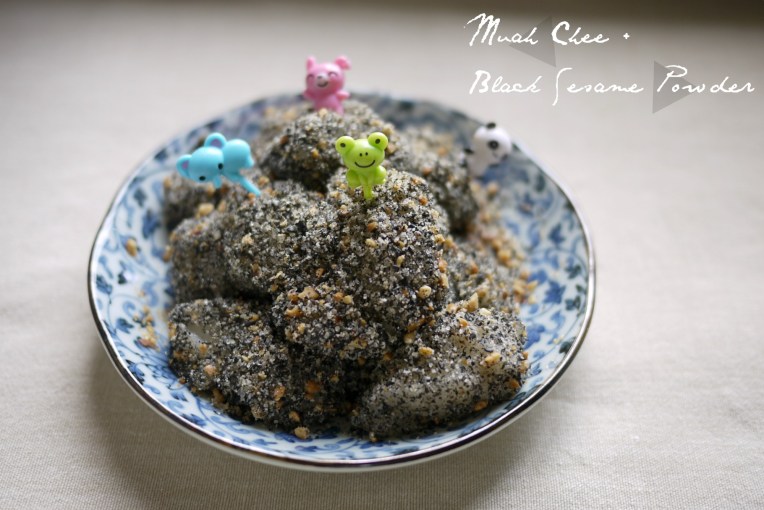
Instead of the usual ground peanut powder, I used black sesame powder (leftover from making this) to coat my muah chee, inspiration drawn from dumpling balls with black sesame filling.  If you like black sesame seeds, you will like this alteration to the traditional snack.

A scant of ground peanuts is added for some nutty fragrance, but optional.  Sugar amount can also be reduced if you like it less sweet and prefer more flavor from the black sesame seeds.  Add half of the amount first, and gradually top up to taste.

I have been using peanut oil instead of shallot oil to make this, but any neutral tasting oil will do.

MUAH CHEE WITH BLACK SESAME POWDER
ADAPTED FROM MY PREVIOUS ATTEMPT HERE

for dough
200g glutinous rice flour
1 tablespoon peanut oil
2 teaspoons sugar
½ teaspoon salt
250g water

for black sesame powder mix
80g black sesame powder
20g ground peanuts
50g sugar (40g if without ground peanut)

METHOD

01. Mix the flour, peanut oil, sugar, salt and water in a mixing bowl.  Stir well to make sure that there are no lumps.

02. Pour mixture into a greased 6 inch pan, steam over medium heat for 25 minutes.

03. Once the mixture is cooked though, remove from pot and brush some oil over the surface. Allow it to cool down to a temperature warm to touch.

04. In the meantime, prepare muah chee coating by combining black sesame powder, ground peanuts and sugar in a large plate.  Mix well.

05. Once the muah chee is ready, cut the cooked dough into bite size pieces with a pair of kitchen scissors, the dough will be very sticky.  Place the dough bits in the large plate with ground black sesame and peanut mixture and coat each of them well. Transfer to serving plate, top with more coating mix, serve immediately.  Best eaten when still warm.