

This is a follow-up post from here. Part two of Misheru’s book talked about caring for the items we have by enjoying or using them regularly versus stowing them away. Here are some points I find useful, see if they’ll help you better appreciate the stuff you already own, reducing the temptation to buy more stuff!
1. Make time to enjoy the things you own
This is my favourite tip from the book. Isn’t it interesting that simply using our possessions, is also a way to “care” for them? How often have we purchased something impulsively, only to use it just a few times before chucking it aside? When we pare down to the items we truly need, we’ll naturally use them more often and treasure them more. They need not be expensive, high-value items. Instead, Misheru talked about appreciating the few everyday items that put us in a good mood all day. Let me share mine here!
//Mornings: Misheru starts her day with a morning cuppa served in a favourite mug or enjoying breakfast meals out of pretty plates. I often rotate my collection of mugs/teapots/plates/bowls to mimic the pleasure of receiving new stuff. Here’s sharing some of my favourite slow-morning setups! None of these items cost more than $10; in fact, plenty are free promotional items!
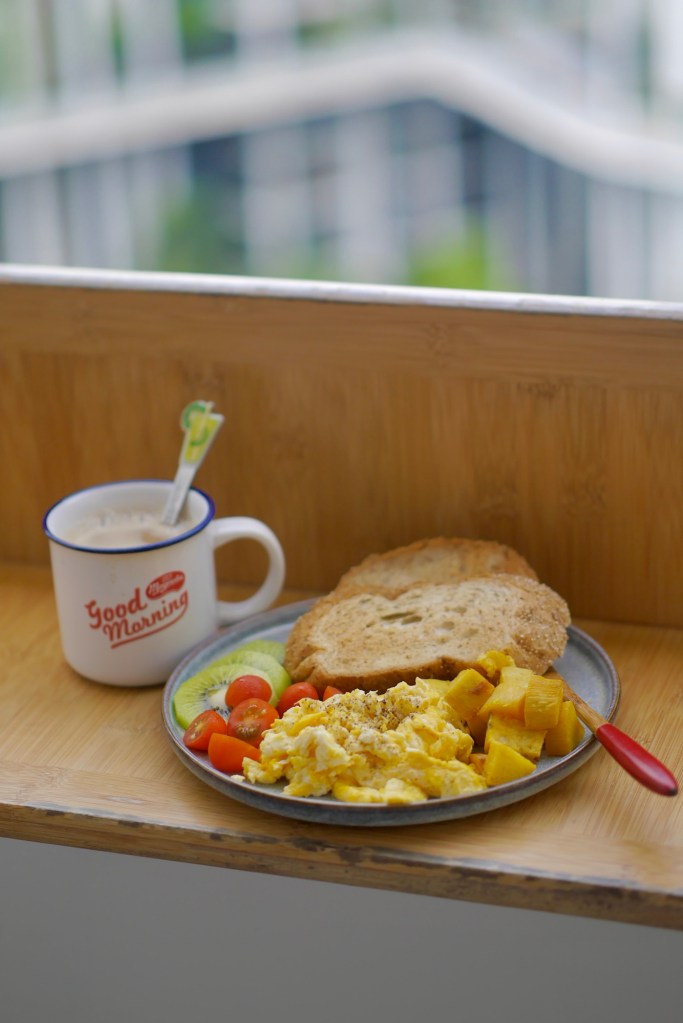
Mug and teaspoon are free promotional gifts (thanks, Magnolia and Zespri!), plate $4, wooden fork $2.

Mug, free promotional gift (thanks, Nespresso) , small wooden tray $2.
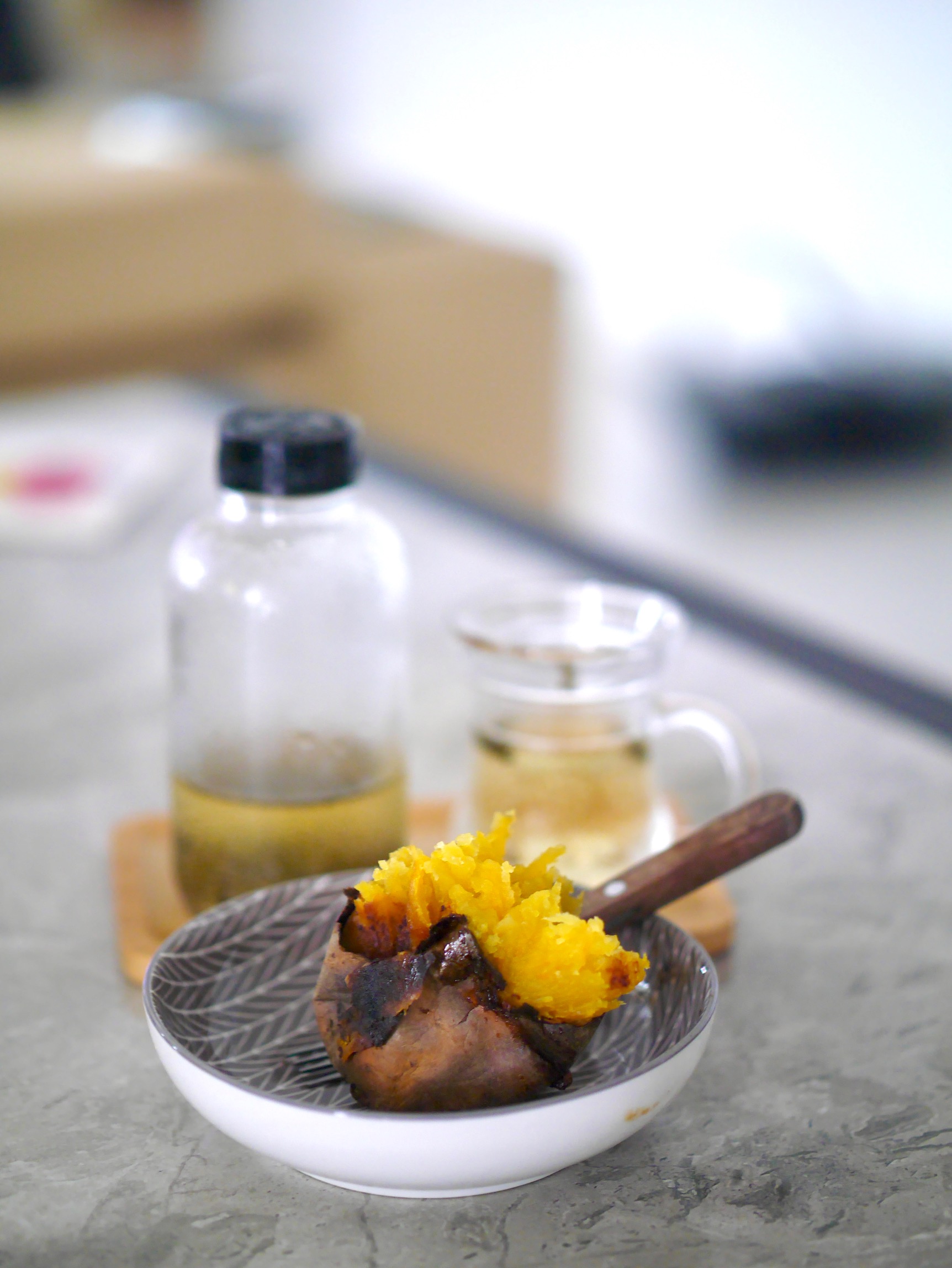
(Back) Glass bottle to make cold brewed tea, free, upcycled from this, drinking glass, free wedding favour.
(Front) Saucer $2, dessert fork $2.
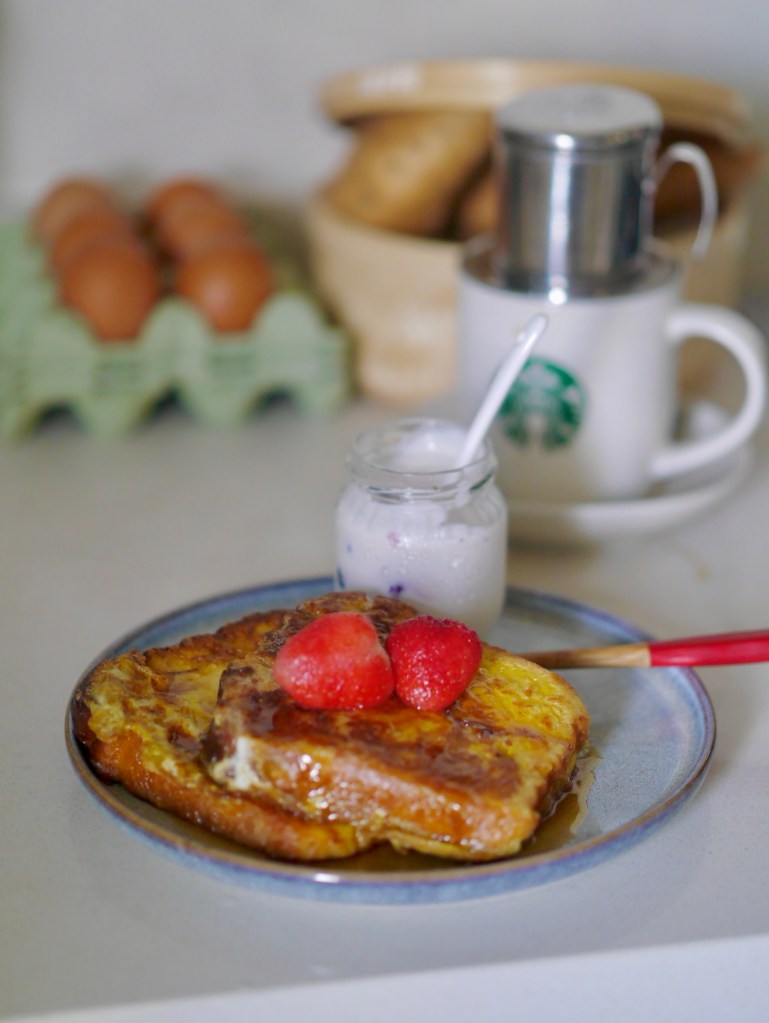
(Back) Egg holder, free, upcycled from a 30-egg cardboard tray, rattan basket with lid, free, upcycled from snack souvenir packaging.
(Middle) Phin coffee filter $2, Mug, free promotional gift, saucer $3.
(Front) Yogurt served in an upcycled jam jar, porcelain teaspoon $1.50, plate $4, wooden fork $2.
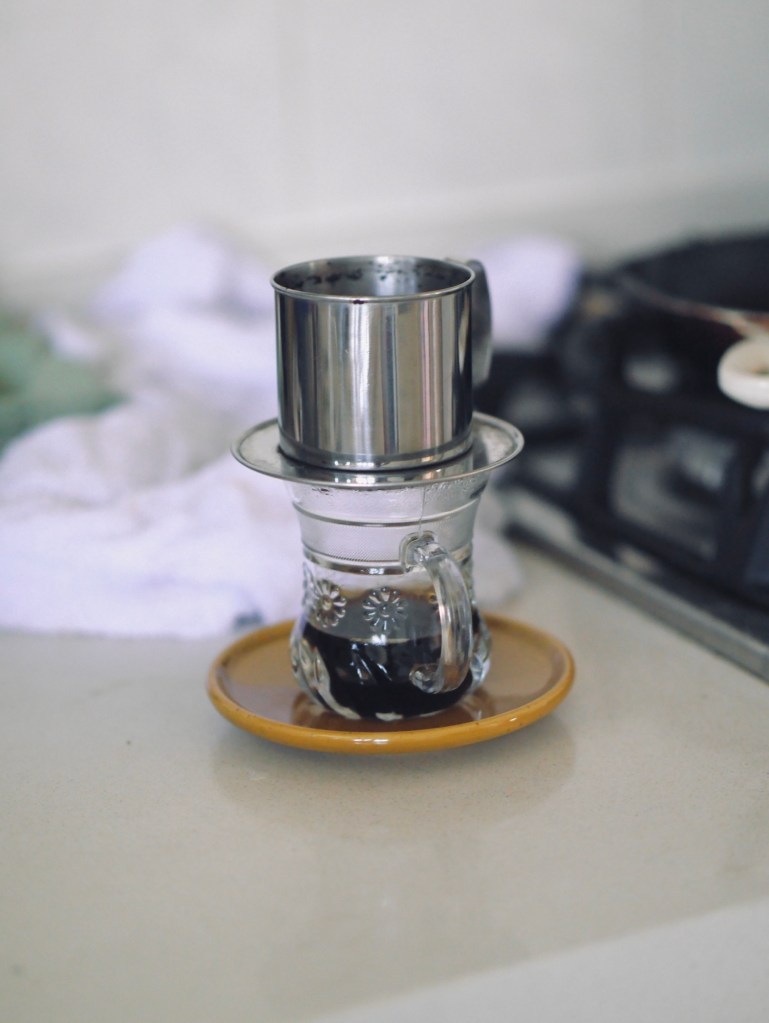
Phin coffee filter $2, drinking glass, free wedding favour, saucer $2.
// Out and about: Misheru shared how she doesn’t have choice overload when her wardrobe consists only the items she loves, including her favourite Orcival tote bag, Marikekko umbrella, and Converse sneakers. A pared-down wardrobe also makes it easier to organise and clean!
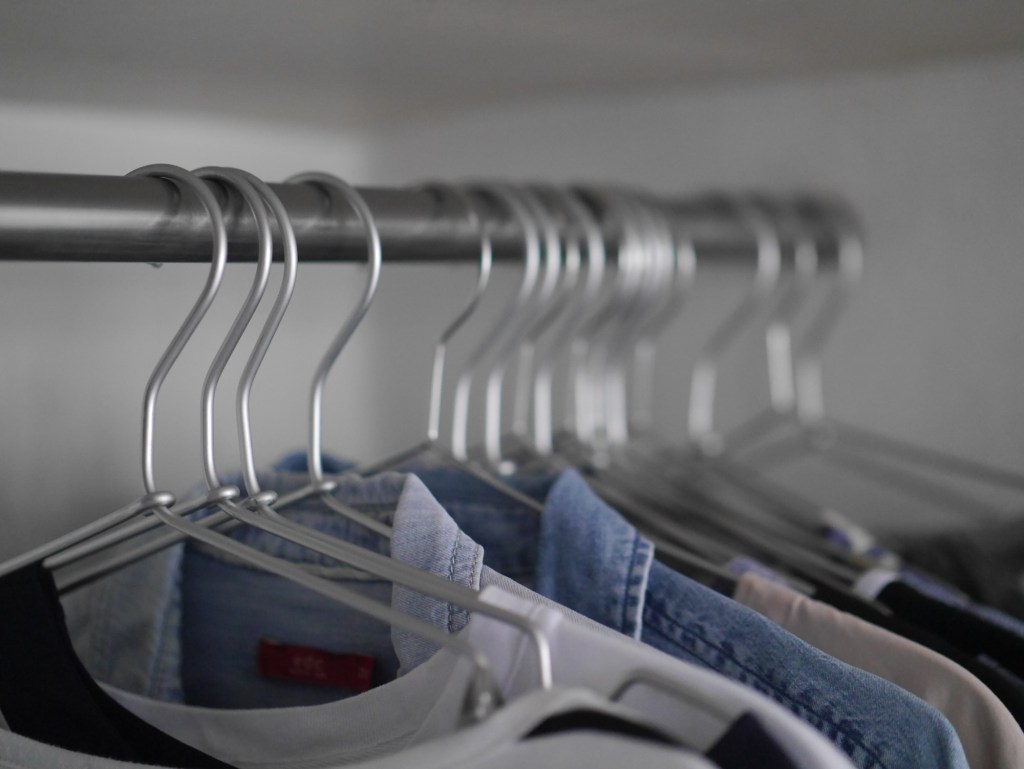
++ Such content inspires me to go through my clothes to recreate a “new” wardrobe every few months. I’ll take out the pieces that I have not worn for a long time and start “styling” them. The process reminds me of thrifting, but in the comfort of my own home, rediscovering the items I already have. I always end up with a few new outfit ideas, all without forking a single cent!
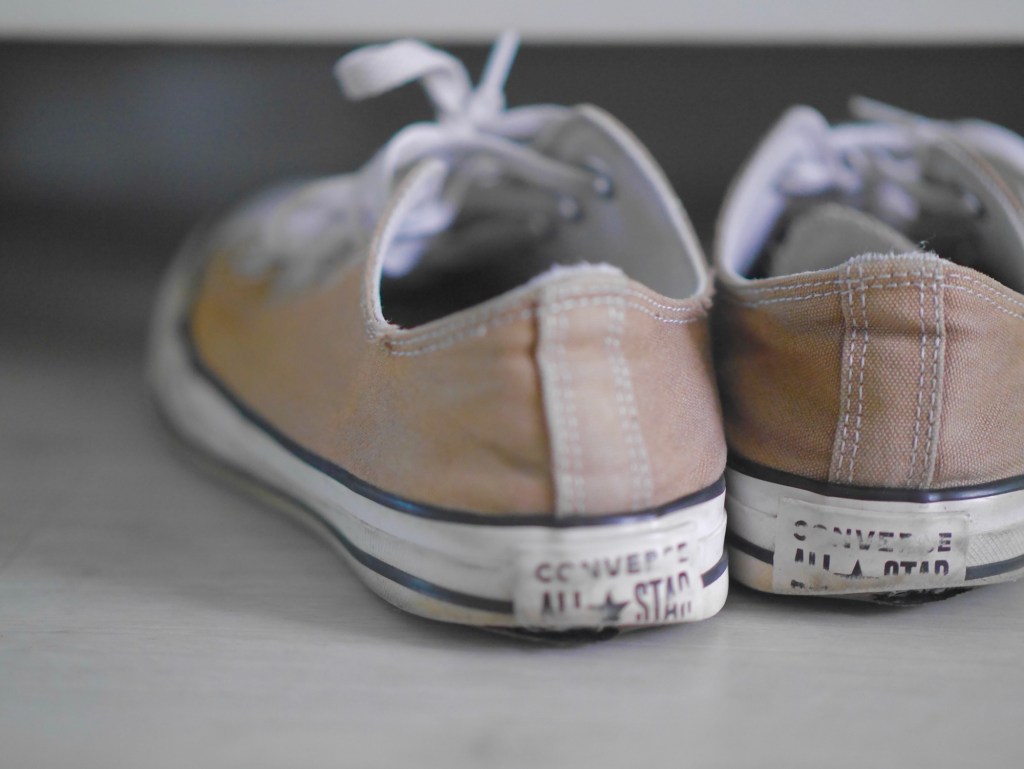
++ I used to have a storeroom full of shoes. I have since reduced to just a few pairs of footwear that I deemed essentials: 1 x hiking boots, 1 x running shoes, 2 x walking sneakers, 1 x pumps, 2 x flats, 1 x sandals and 1 x beach slippers. With fewer pairs of shoes, I wear them more frequently and have no qualms about replacing them when they are beyond repair.
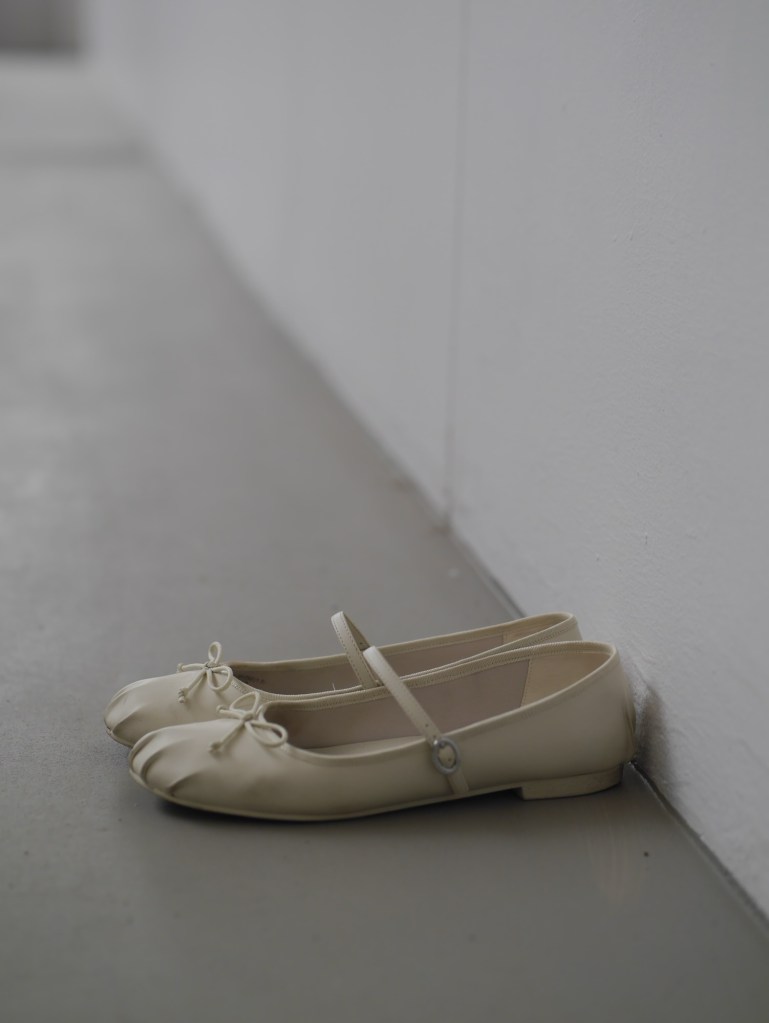
++ For heels, pumps and flats, I always buy them from Charles and Keith because firstly, their cutting suits my feet and I never get blisters from wearing them. Secondly, they are the only mass-brand shoe company I know that provides free simple repair services!
// Housework: Misheru shares a few of her favourite tools that make her house cleaning chores more manageable and enjoyable. Such as a table brush set from Iris Hantverk, dishcloths from Afternoon Tea Living, a kitchen sponge with a handle from Muji, and her favourite wireless vacuum cleaner from Makita, which she placed next to her dining table to clean up any mess quickly. My thoughts: it’s always easier to clean a clutter-free house. We don’t need to follow what she is using to improve our housework. I found plenty of pretty, affordable and practical household tools in our neighbourhood shops that are just as pretty and pleasant to use. Most importantly, gotta keep everything simple and fuss-free at home, including our cleaning equipment and tools!
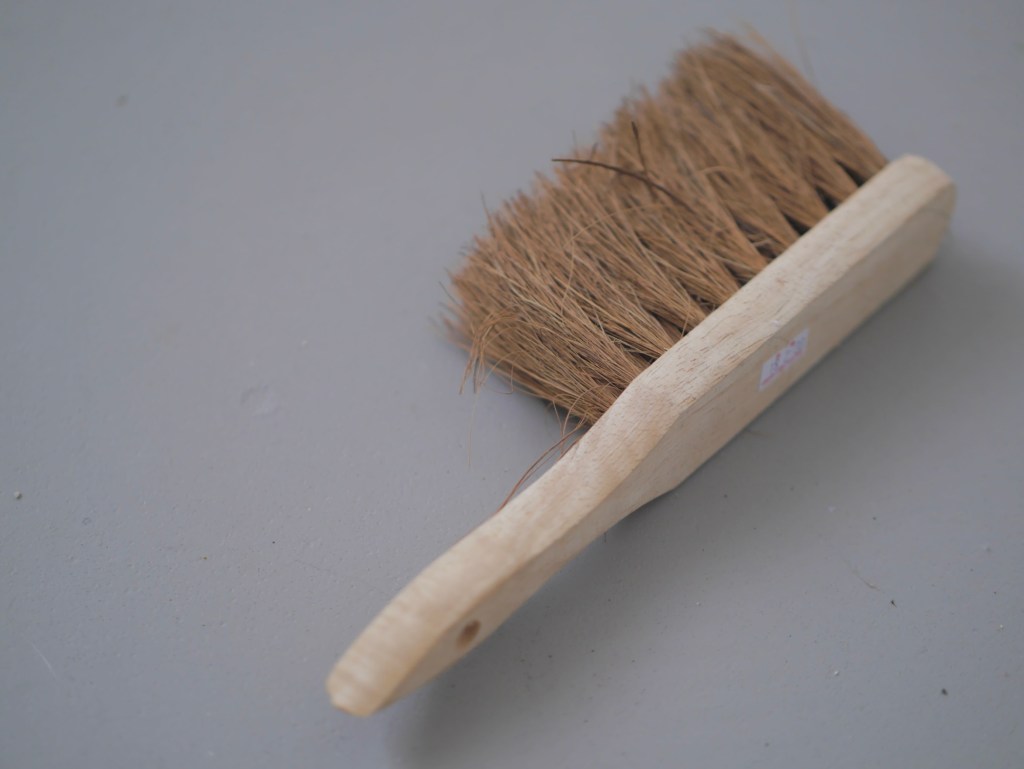
++ This handy brush from a local hardware store costs just $2. I use it exclusively in my kitchen yard to brush the dirt and dust off the walls/floor skirting/window grilles.
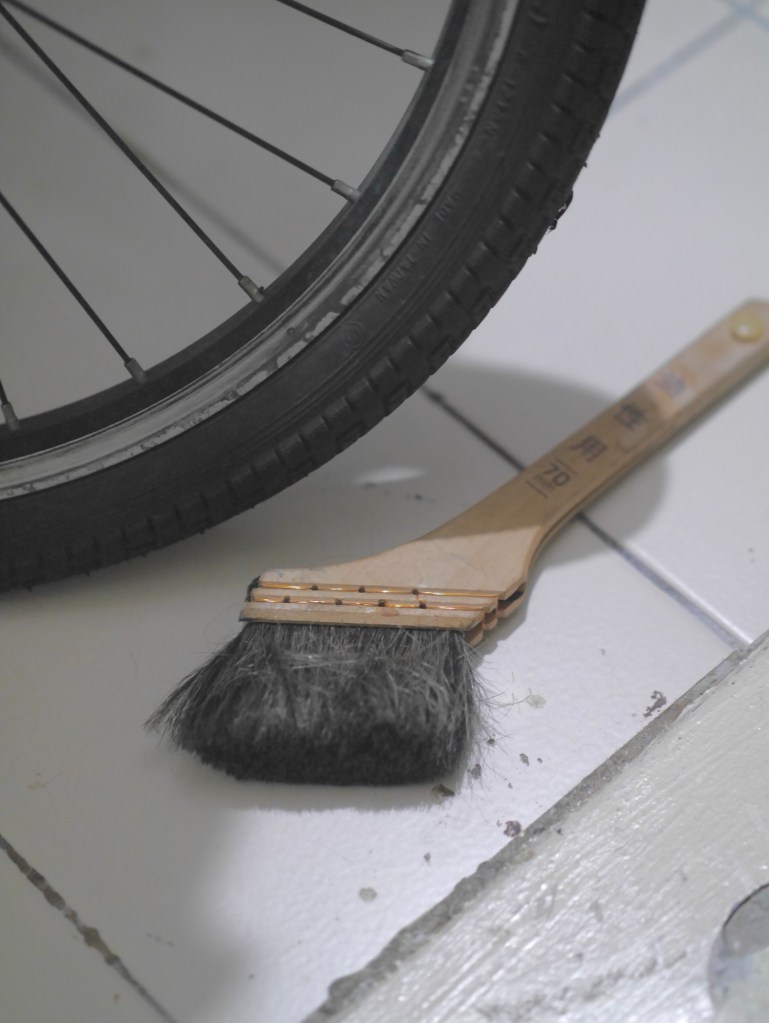
++ Another affordable $2 brush designed for painting. I use it to remove dirt from my bicycles.
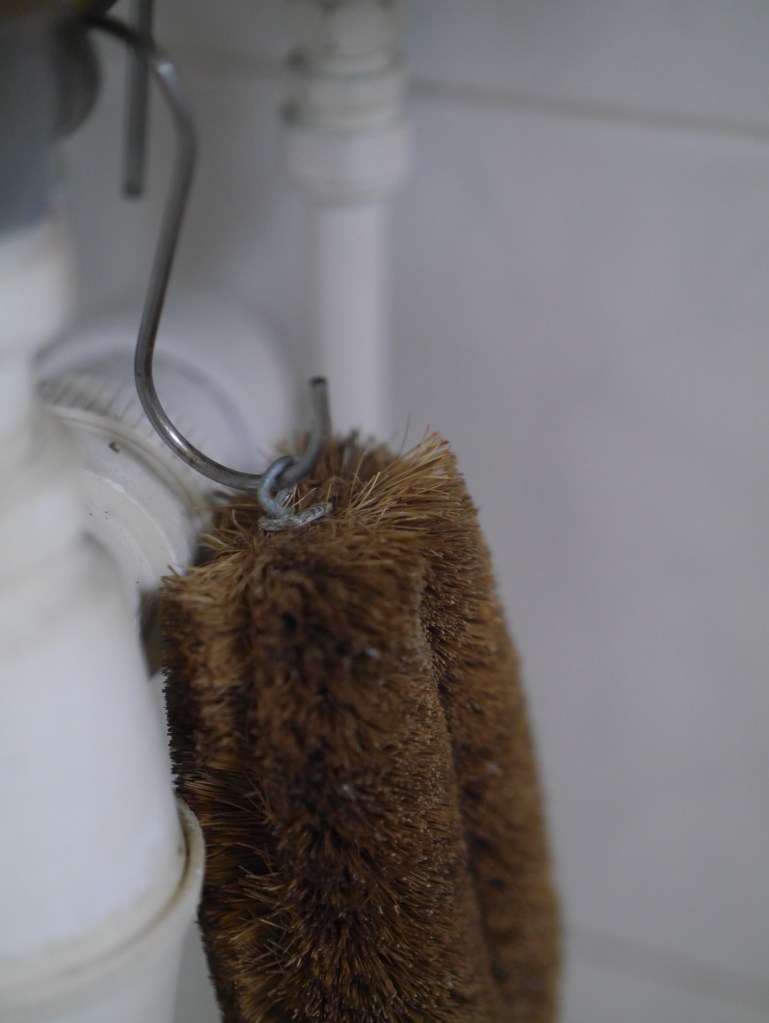
++ These coconut husk bristle brushes are must-haves; I use the small ones as pot scrubbers and large ones for scrubbing toilet floors.
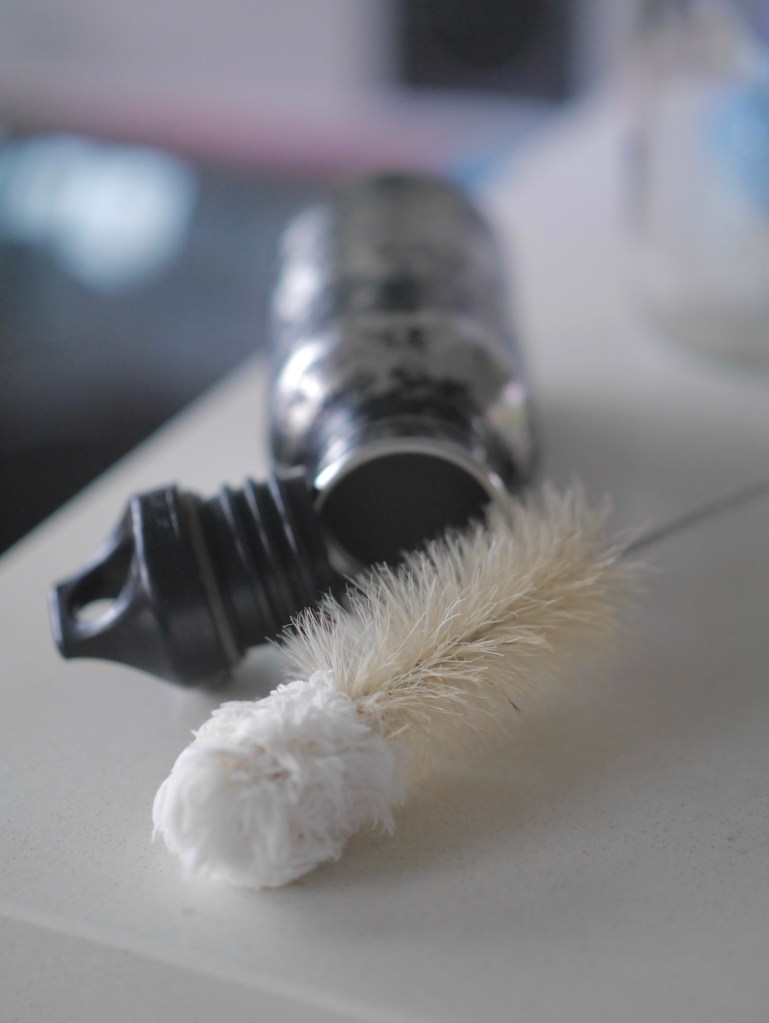
++ This bottle brush from Daiso has a cotton bottom, which allows me to reach the base/corners of drinking bottles easier.
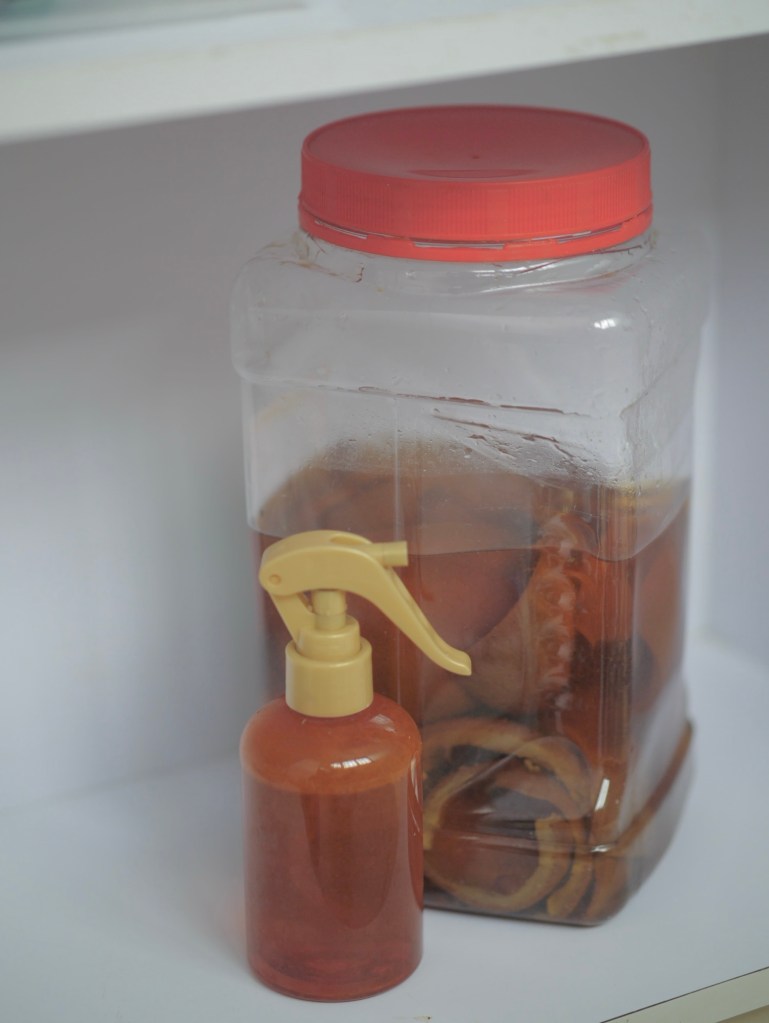
++ I have been using homemade orange peel vinegar cleaner/degreaser forever. Cheap and effective and smells good, too!
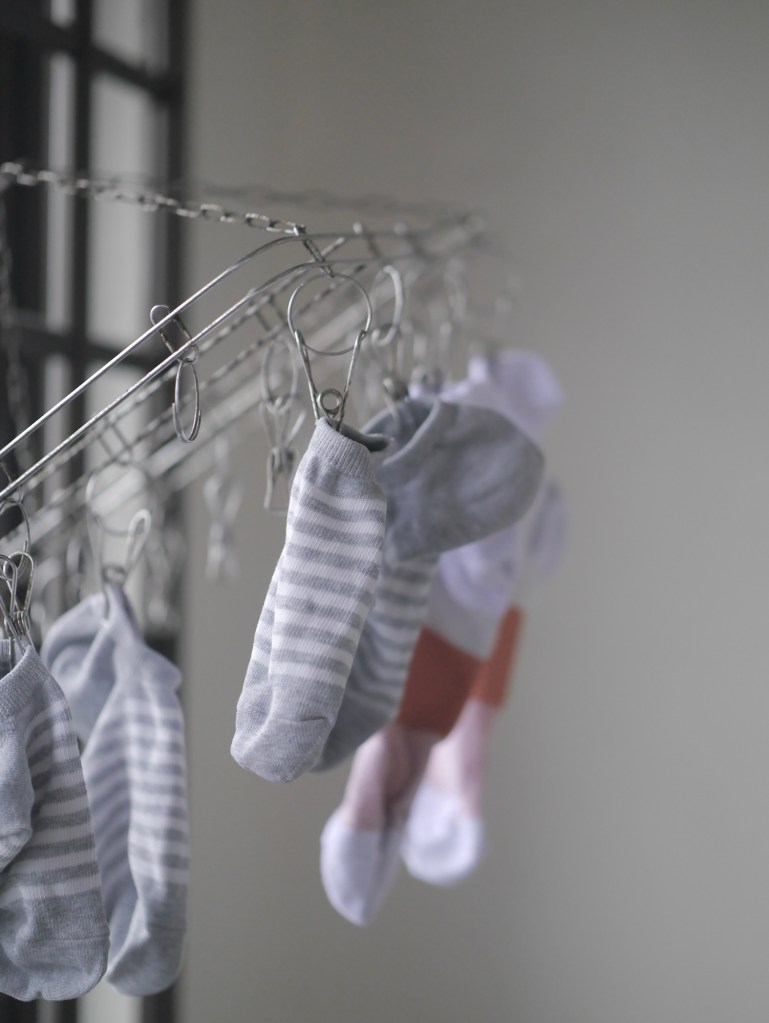
+++ Stainless steel laundry hanger, for air-drying small items like socks, when we run out of space on our laundry poles.
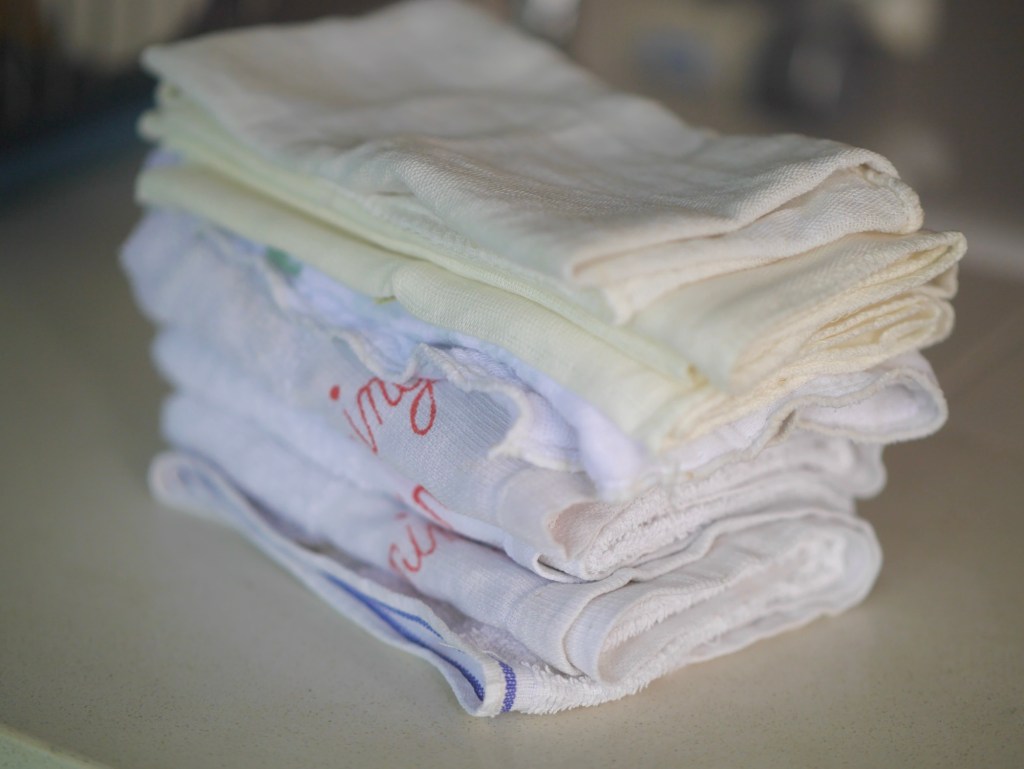
+++ For kitchen rags, I love my affordable and practical “Good Morning” ones, and Muji ones made from recycled factory remnant.
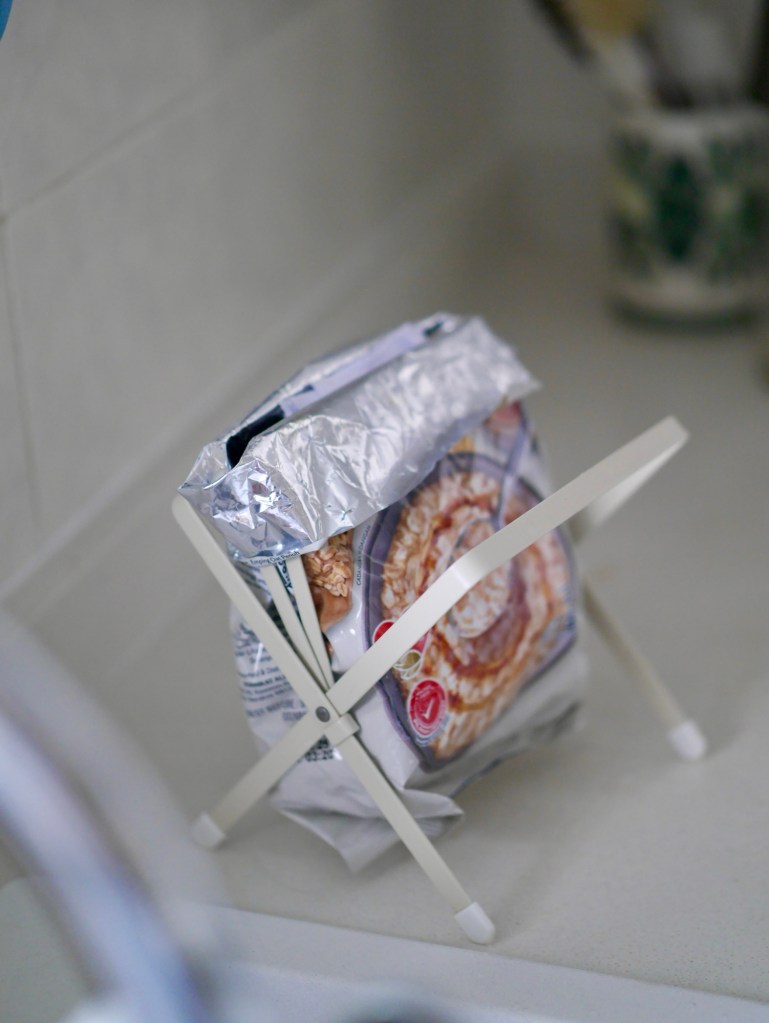
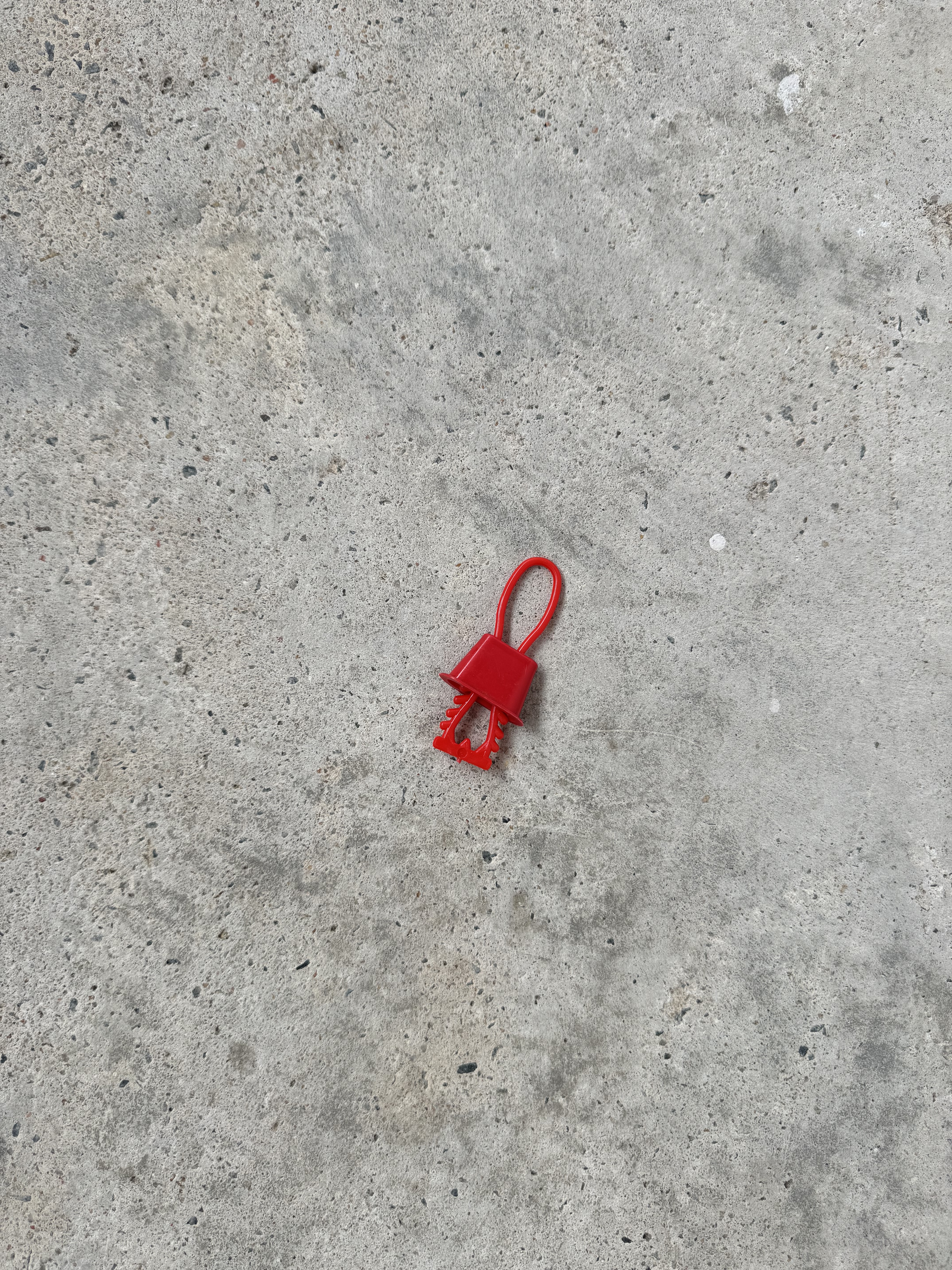
+++ I have been using small containers lined with packaging bags as trash bins in my kitchen. Since I started reducing my waste level in this part of the house many years ago, I never need a large standing bin in my kitchen anymore. So, I was really happy to find this trash bag holder in Japan. The design idea is simple and allows me to repurpose my small food packaging/pouches into kitchen trash bags.
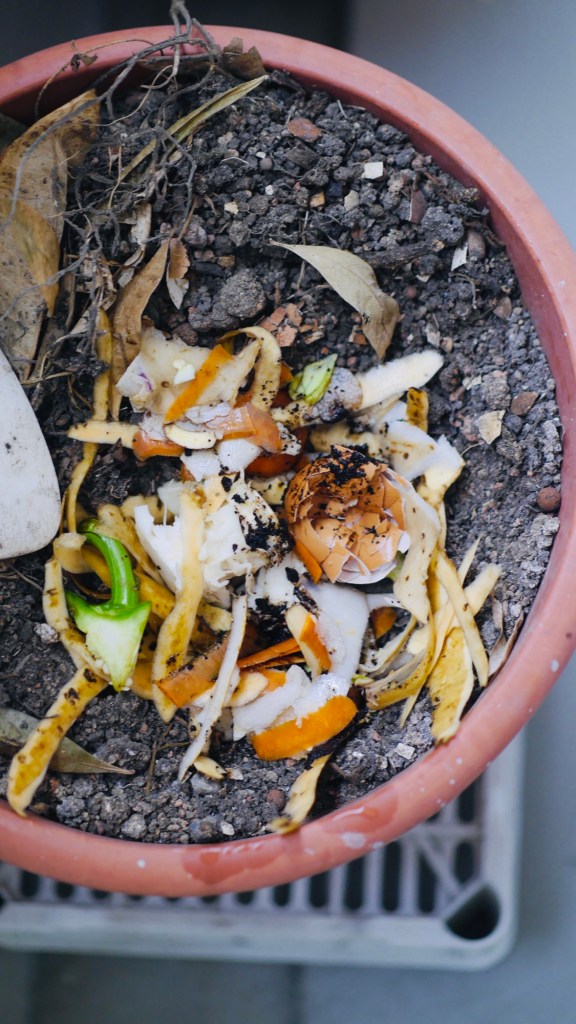
+++ My kitchen trash level is low because I compost most of my fresh kitchen scraps. These include fruit peels and vegetable ends, eggshells, spent coffee grounds or tea leaves. After a few months, these scraps turn into free fertilizer for my corridor garden plants!
// Evenings: Winding down and preparing for bedtime is an essential habit for Misheru. She shared her favourite couch and standing lamp in her book.
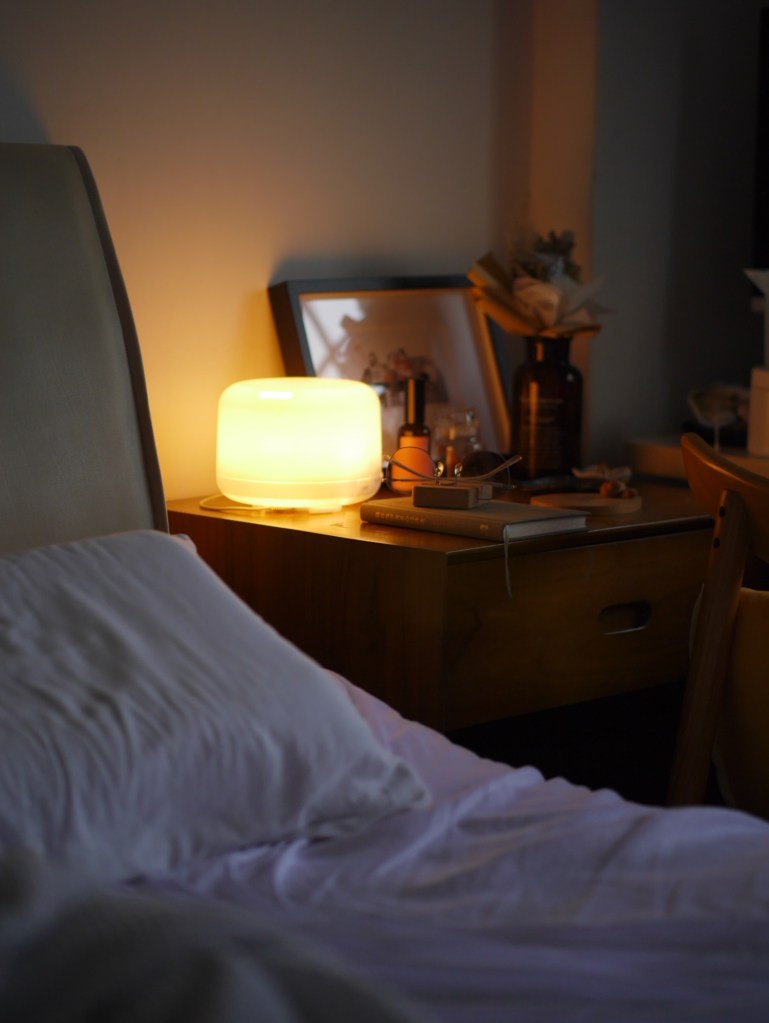
For me, turning on the aroma diffuser-cum-lamp by my bed sets the mood to rest. But I have to admit that I rarely turn on the diffuser function as I find the mist makes this corner too humid. Does anyone feel the same?
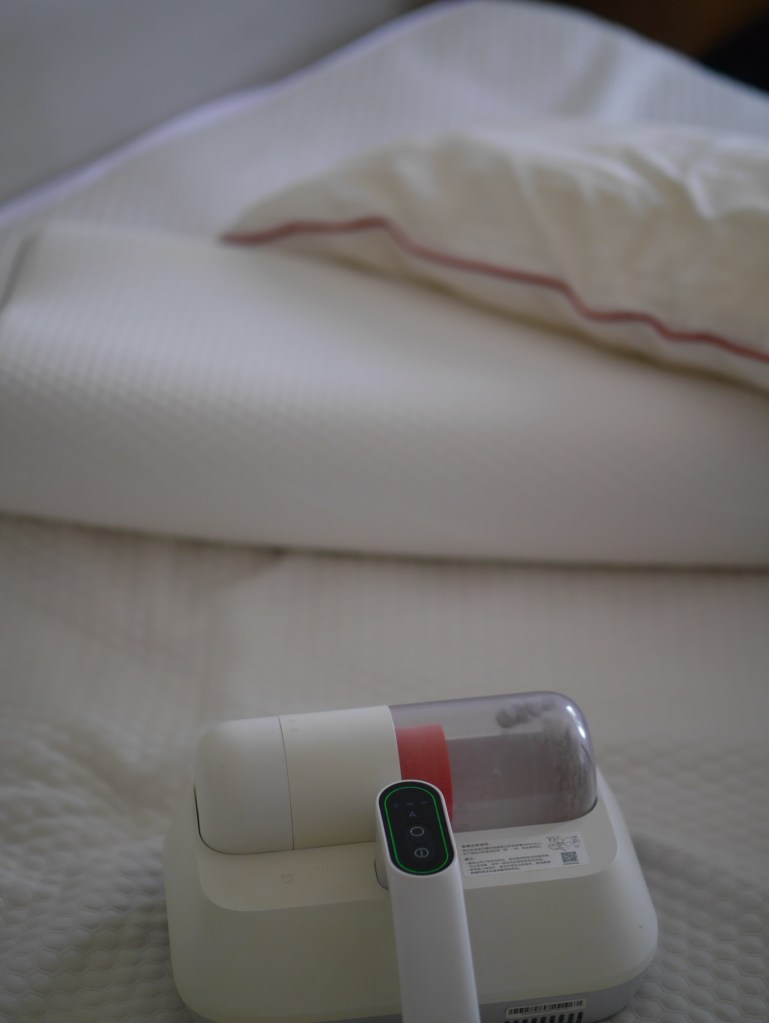
+++ While vacuuming our beds is not a nightly ritual before sleeping, I believe that hygienic bedding and mattresses are very important for quality sleep. I bought a dust mite vacuum cleaner early last year and have been using it often to clean our mattresses, pillows, bolsters and even stuffed toys!
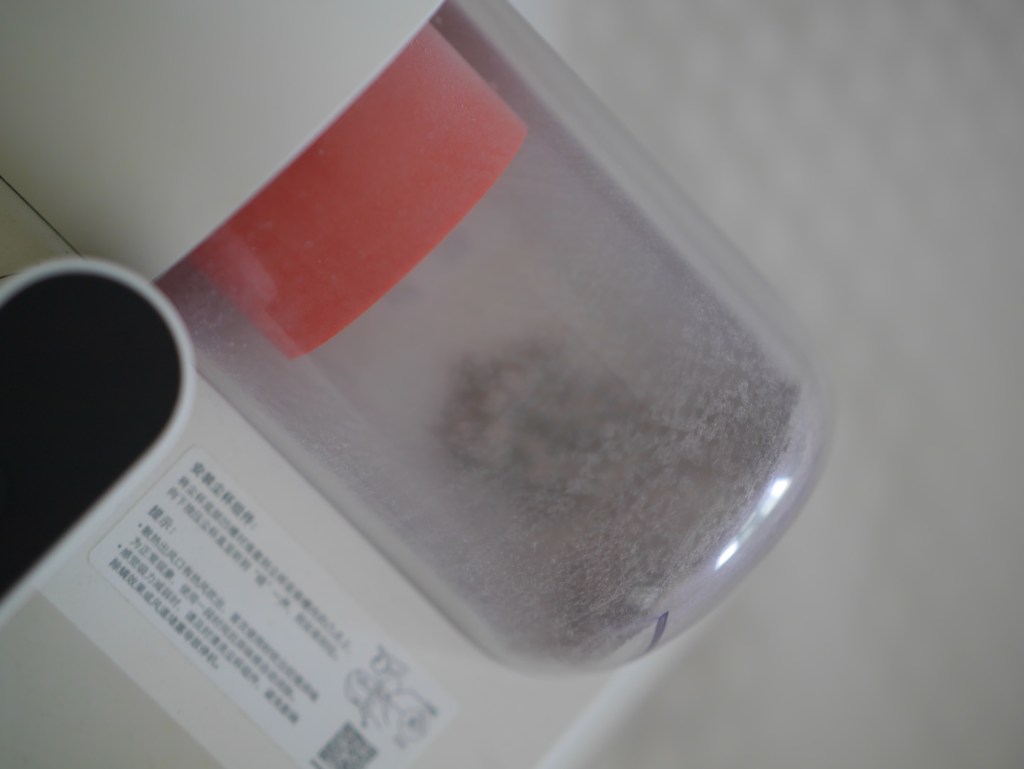
It’s oddly satisfying (and surprising) to see the amount of dust sucked out from our pillows/mattresses every other week.
2. Do not stow away your stuff; use them often!
Misheru encourages using the stuff we own more often to make the most out of it. Instead of storing them in hard-to-find places, try increasing their visibility or displaying them as decor, making them easy to reach and more convenient to use.
My turn to practise:
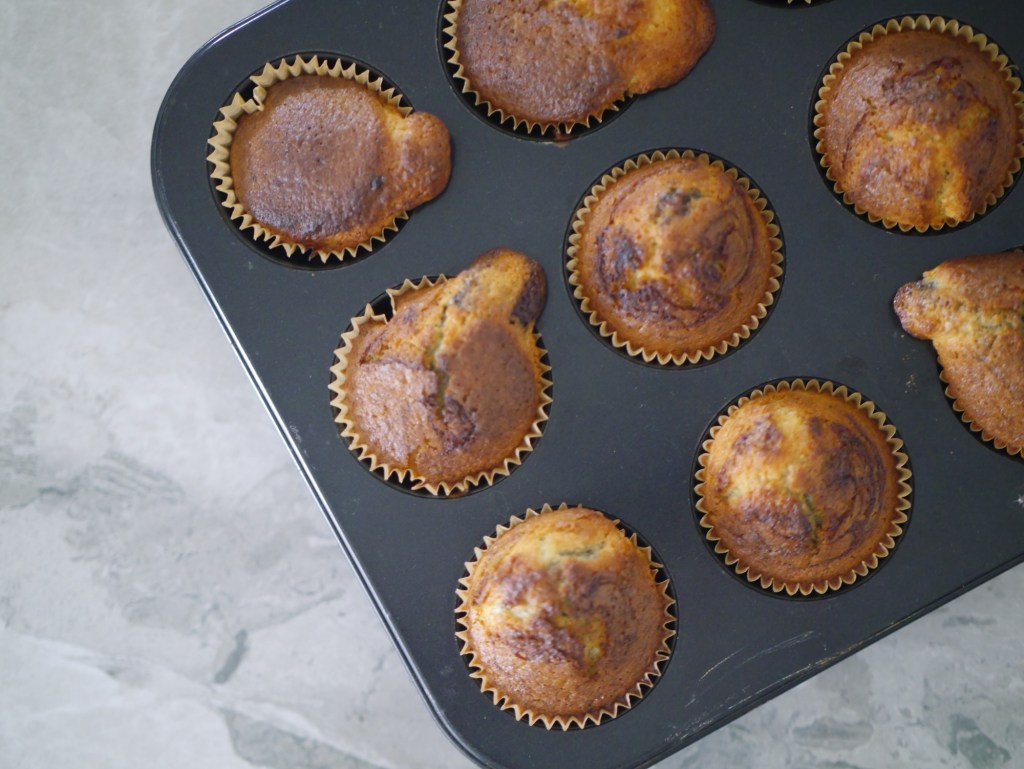
+++ I ALMOST gave away this muffin tray last November when I started the letting-go project. Thankfully, I reconsidered and placed it in the pending box instead. I started baking more muffins and cupcakes again, thanks to the year-end festive mood. I stick to simple recipes that I would use again and again with success! It is now sitting inside my oven, making it super convenient when I need it to bake!
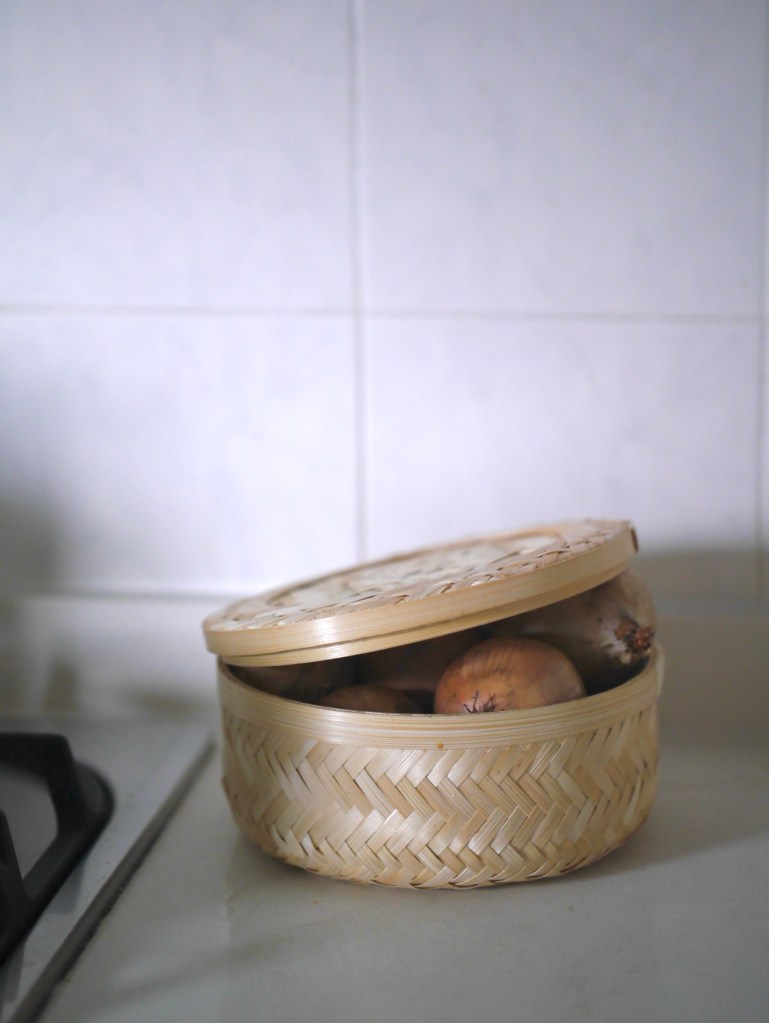
+++ Sometimes, I receive items so pretty that I cannot bear to use them, like this rattan basket. Instead of hiding it inside the cupboard and letting it grow mould, it is now sitting nicely on my kitchen counter as a root vegetables/garlic/onion storage basket.
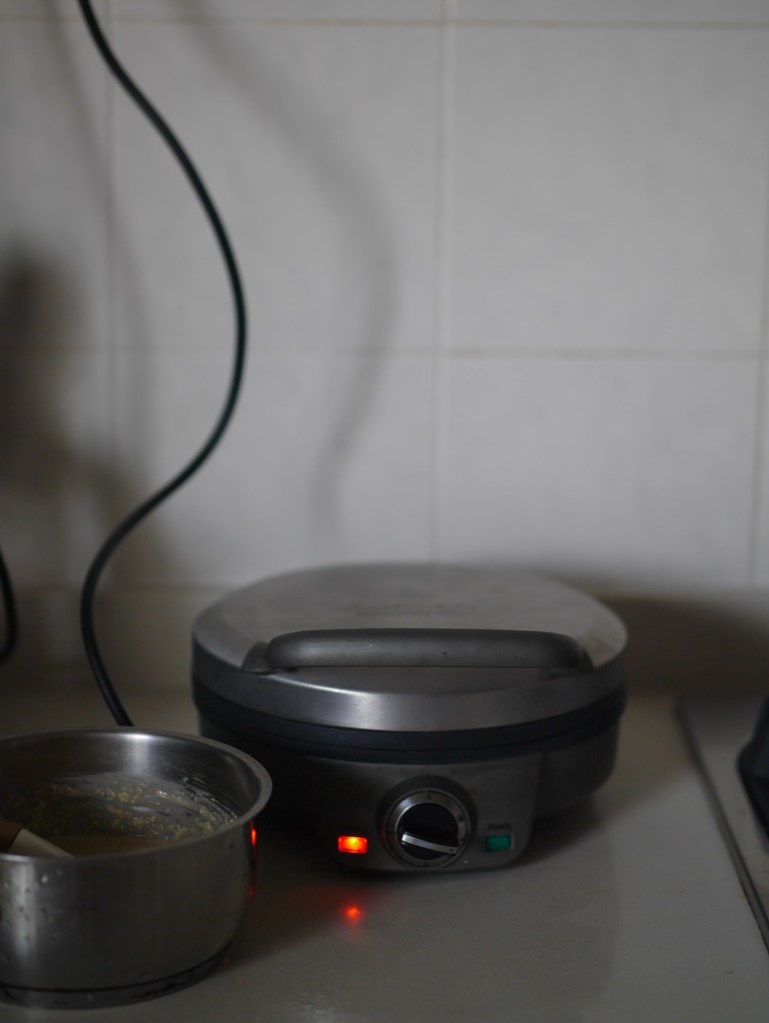
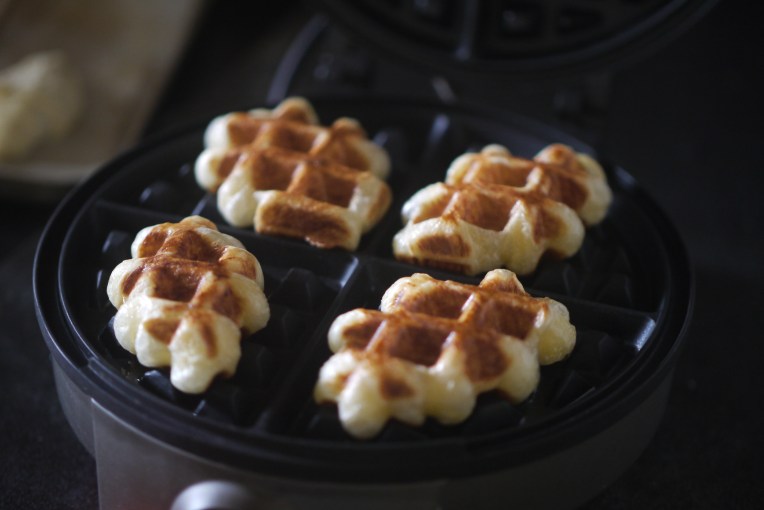
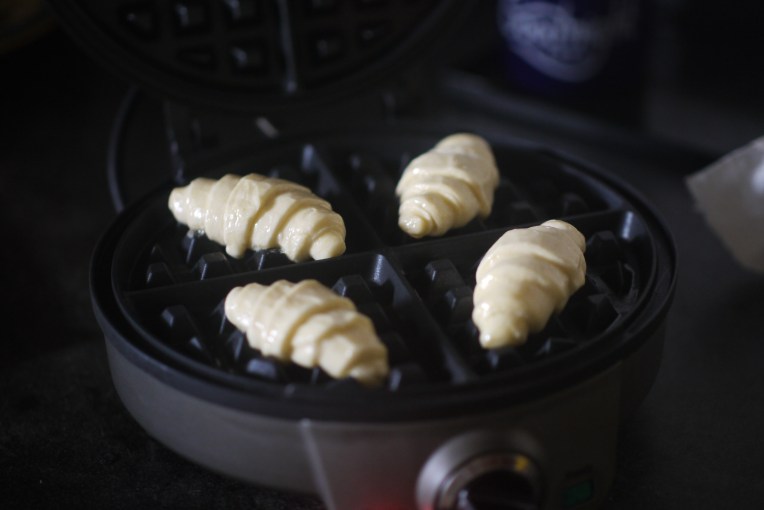
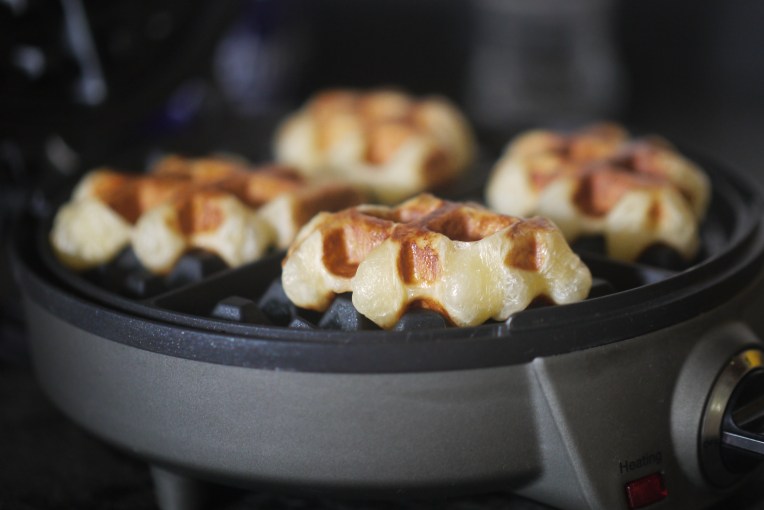
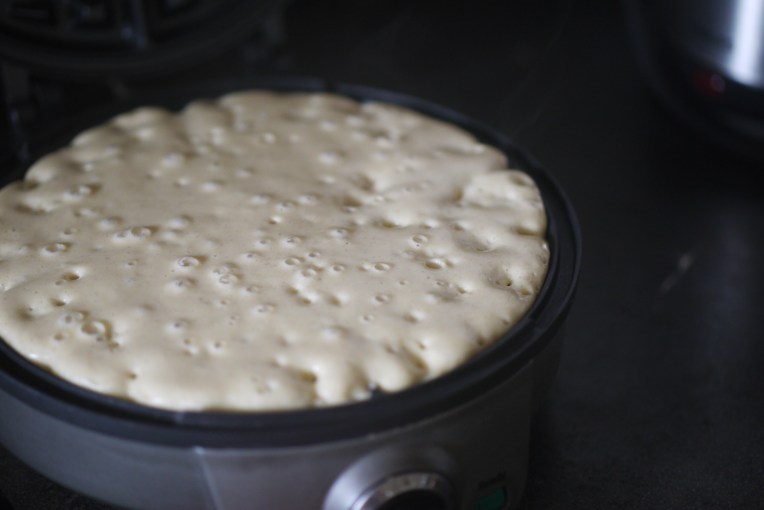
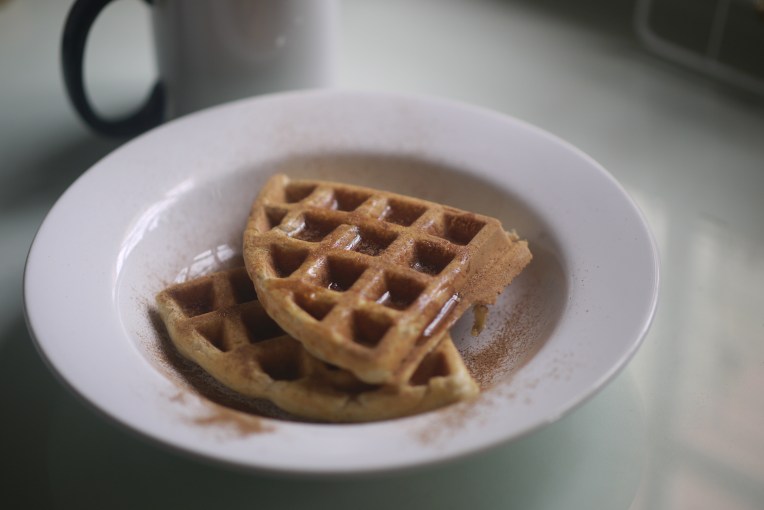
+++ I also started making sure I use my kitchen appliances frequently and not turning them into white elephant, such as this Cuisinart waffle maker that I bought in 2017,
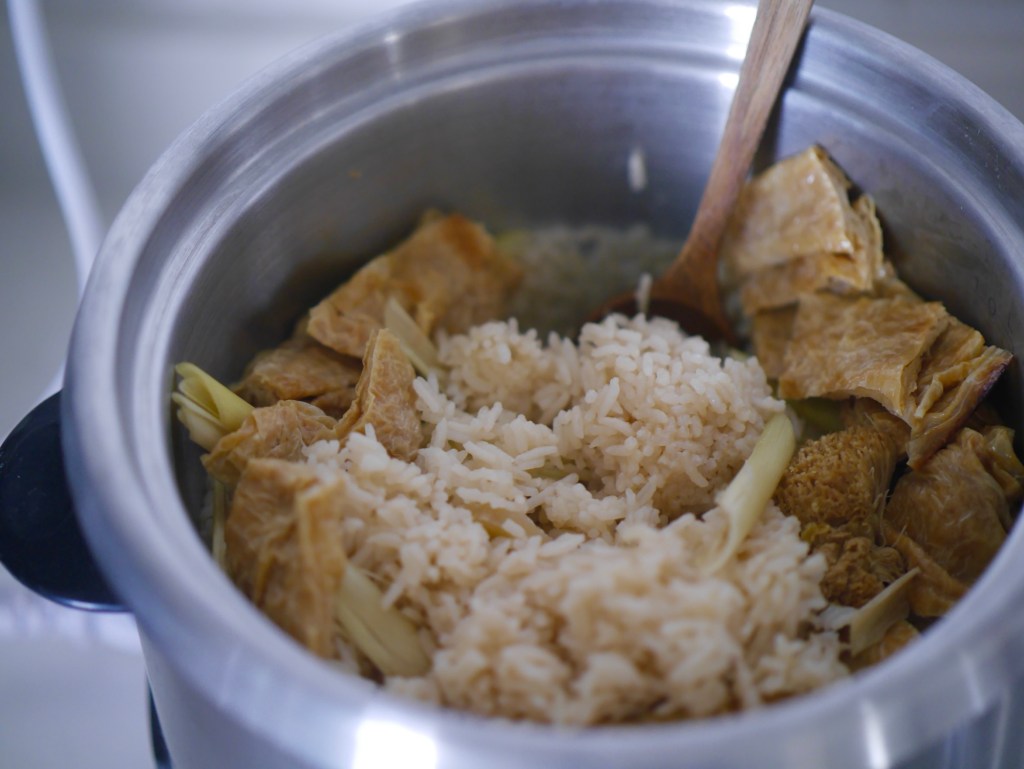
+++ And my Song Cho rice cooker to make slightly larger servings of rice so I can store them in the freezer as part of my meal prep.
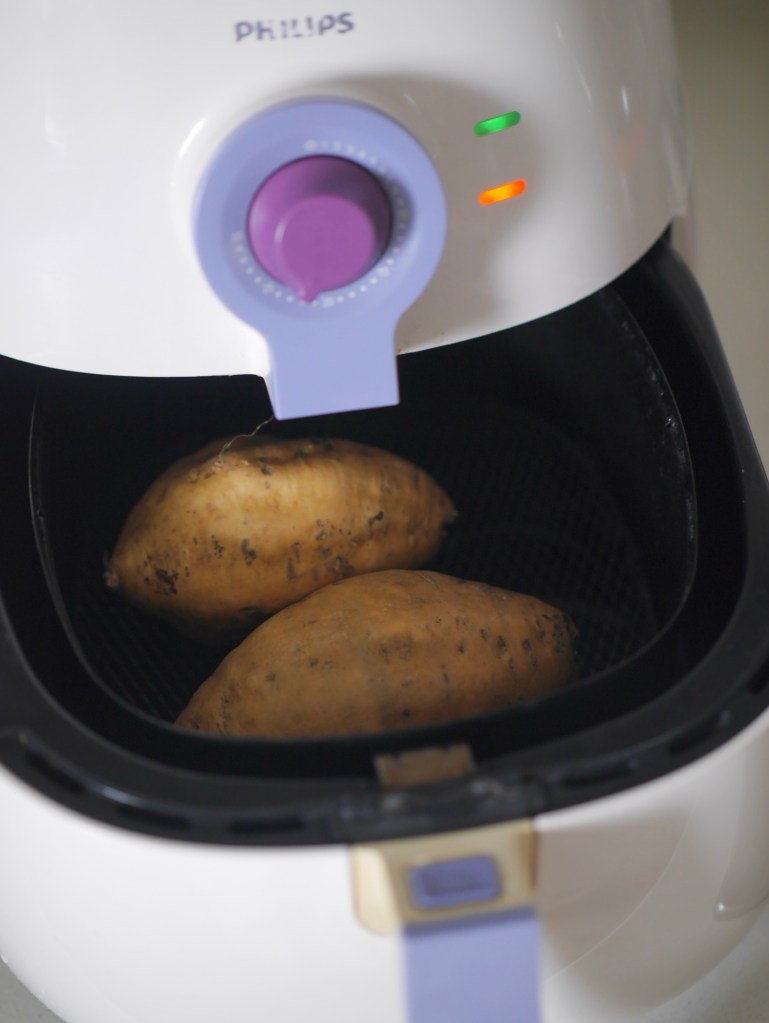
+++ And this first-gen Philips air fryer to bake more honey sweet potatoes!
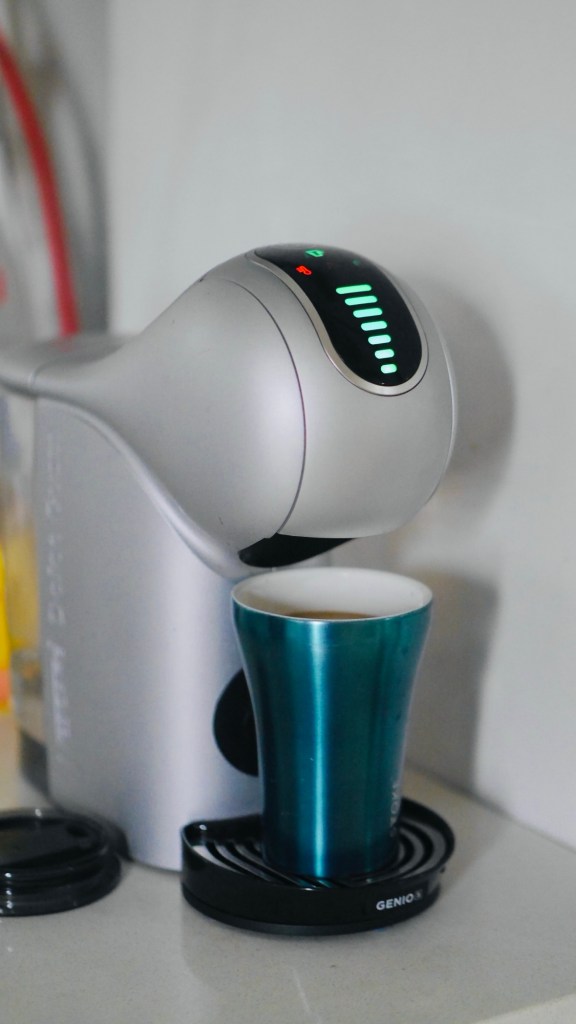
+++ This Nescafe coffee machine gift was stowed away as I didn’t want to incur waste from disposable coffee pods. Thankfully, I found reusable capsules on Shopee and have resumed using the machine to make delicious coffee with Nanyang coffee grounds I buy from the wet market, packaging-free no less!
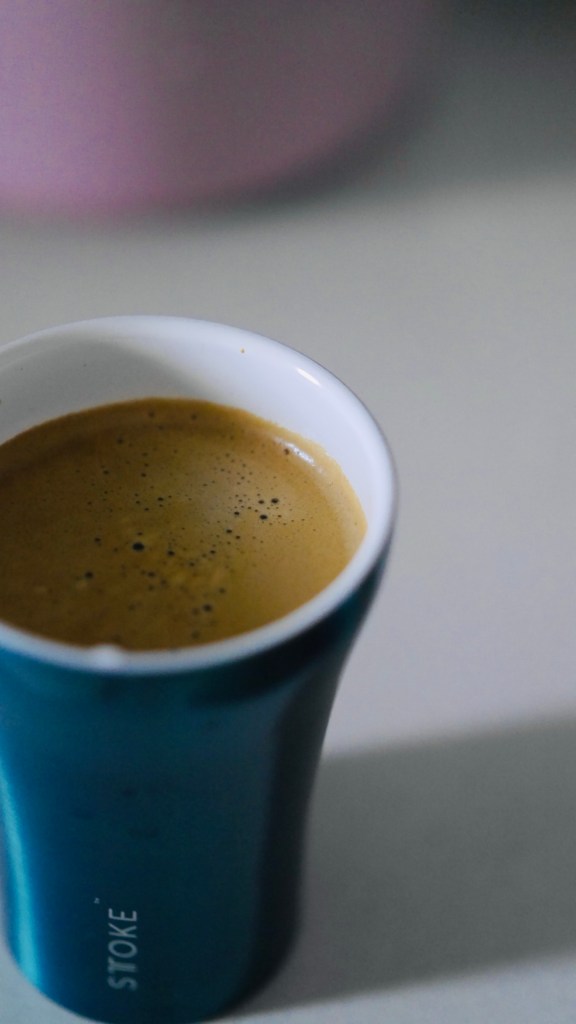
Love the layer of crema that only coffee machines can do!
3. Identify items that you should never buy
I came across a convenience shop that had a poster saying “Find something here that you never knew you needed”. I stepped in and sticked to my shopping list, of course. Temptations to buy more stuff are everywhere, online AND offline. Hence, one of Misheru’s advices to curb mindless shopping is to identify items that we never need to buy. These could be items that we already have too many at home (reusable drinking bottles?) or stuff that we simply can do without.
Here’s my list:
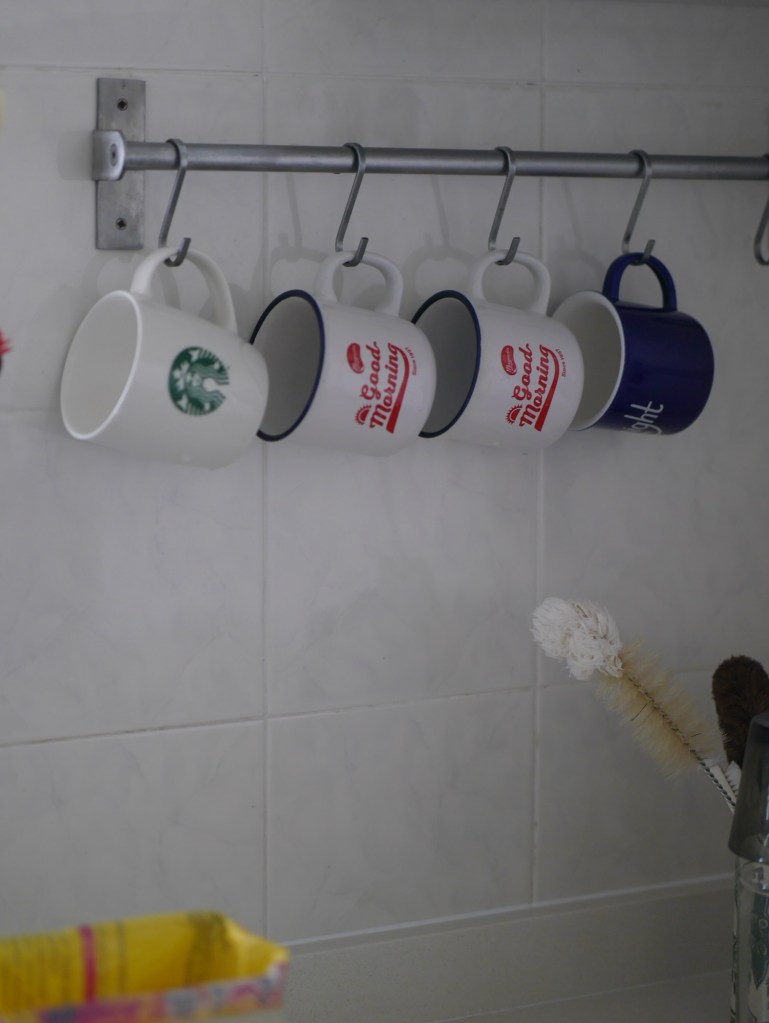
+++ Cups, mugs, glasses! I only display the ones my family uses here but I have a bigger stash for visitors. Have more than enough drinking cups at home without buying!
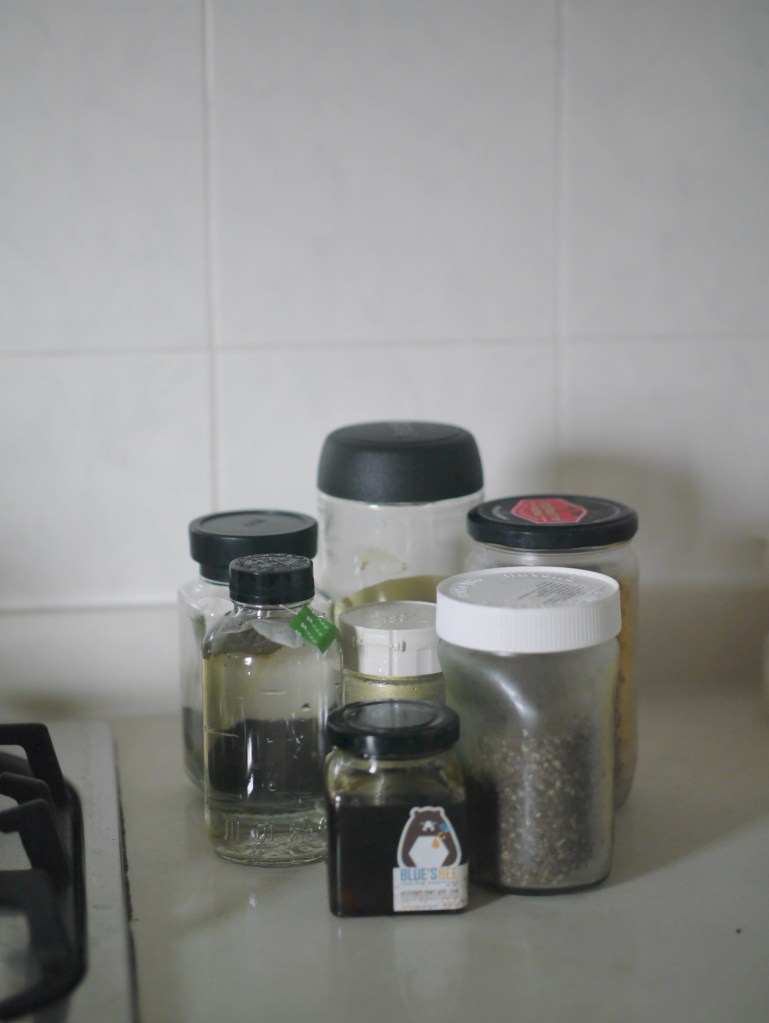
+++ Glass jars; repurposing commercial food containers already provided me with more than enough glass jars, another no-need-to-buy item!
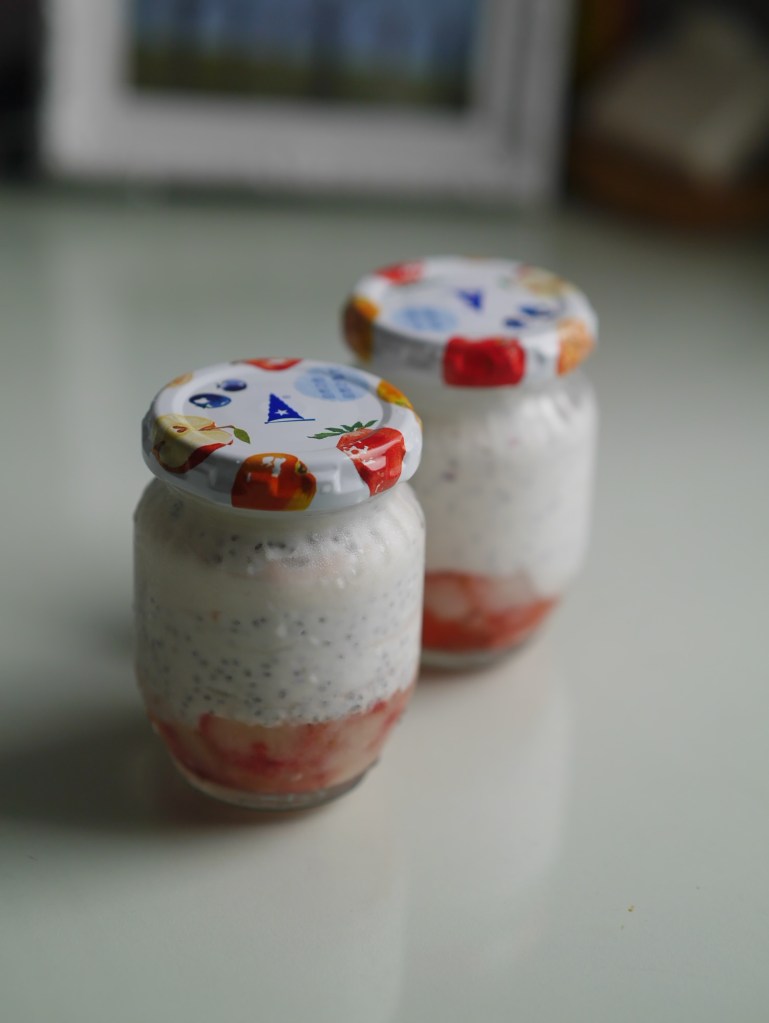
My favourite glass containers are the ones with plastic lids as they don’t rust easily. But the metal ones are prettier. An easy trick to prevent them from rusting is to wipe dry the metal caps immediately after washing.
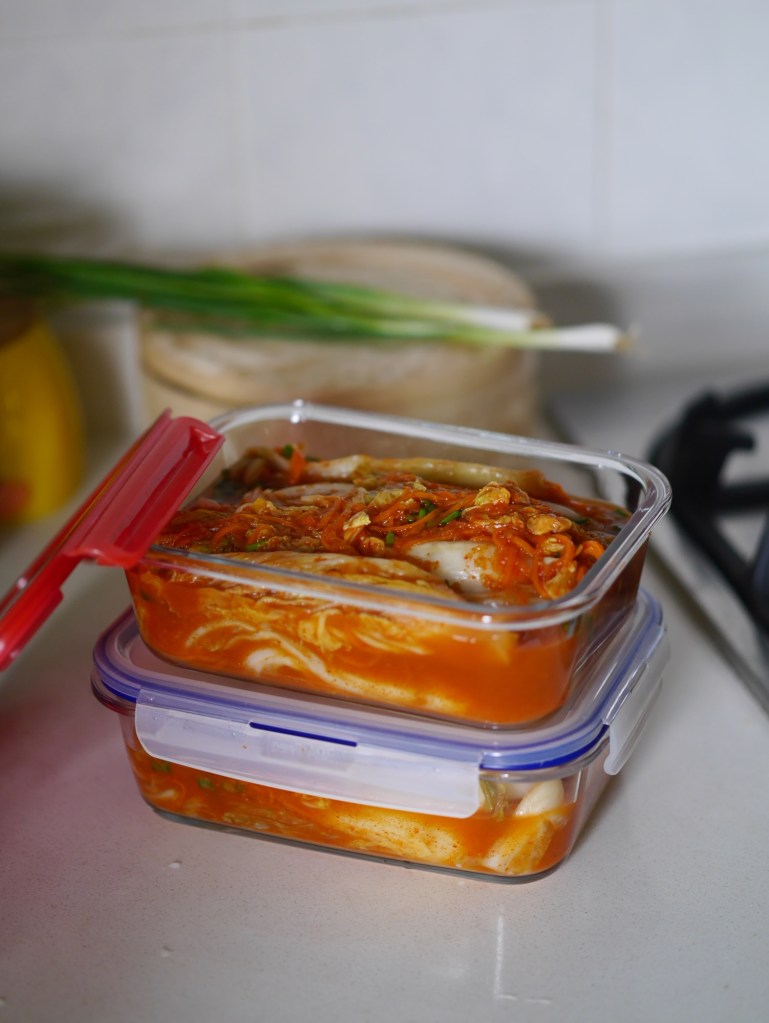
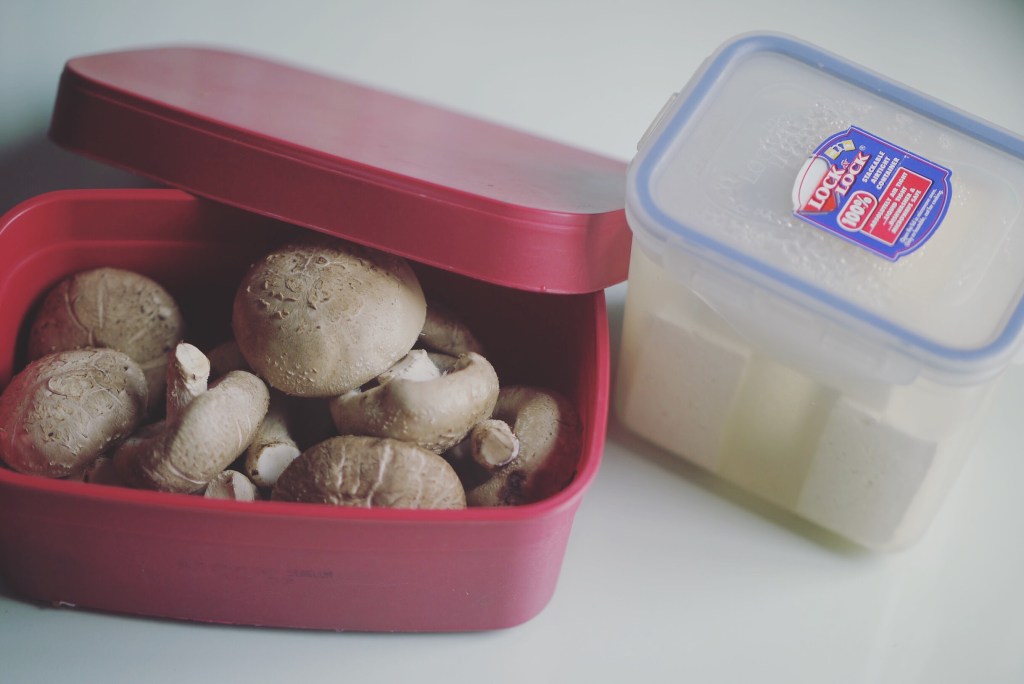
+++ Reusable food containers; thanks (or no thanks?) to the sustainability trend, many brands are giving out reusable containers as promotional items. I even received glass (not plastic!) food containers from friends who have too many at home!
4. Stick to having just enough
Like Misheru, I am not attracted by bulk discounts. I find them more wasteful as we end up throwing/giving away the excess that we don’t need in the first place. Misheru also highlighted how she shops just enough based on her current needs.
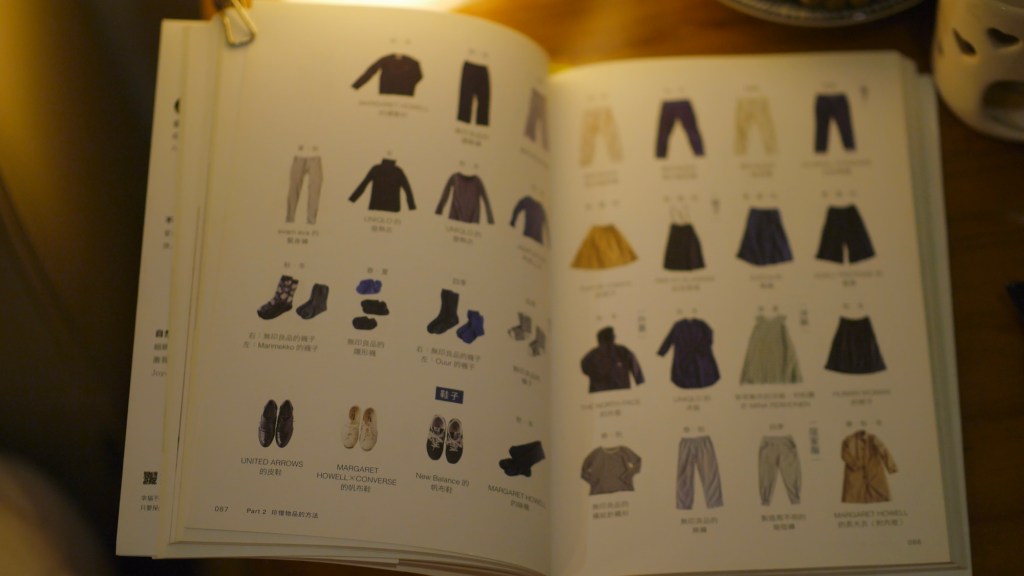
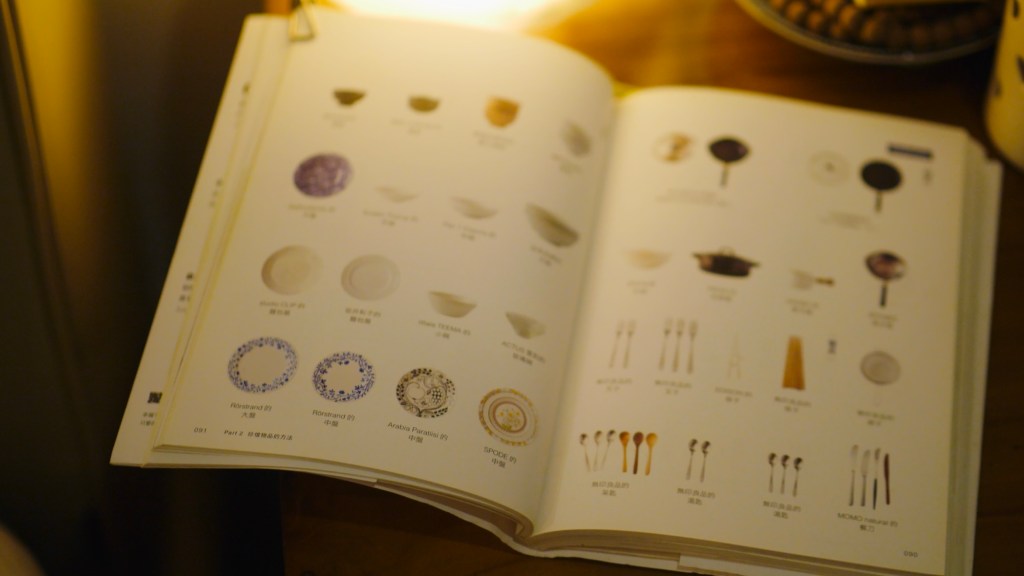
She also shared photos of the stuff she currently owns and truly needs in just eight pages. Despite my mindful consumption habits, I don’t think I can present the stuff I own in so few pages.
// What’s next?
Shopping will only become more and more convenient with more online platforms and physical shopping centres springing up. Marketing has also become more sophisticated, nudging us to buy stuff we never knew we needed.
I reread Misheru’s book once a while to remind myself to focus on enjoying the things I already have at home and not on the stuff corporations want us to buy.
I am also trying to spend less time online and more time out and about with my loved ones, not to shopping centres, but to visit more parks, beaches, museums, and national monuments in Singapore. After all, it is the SG60 year, so expect plenty of local events to fill our calendars! I also picked up a copy of the heritage guide and map of Hougang and will start exploring this part of Singapore first.

































 MONO and CO