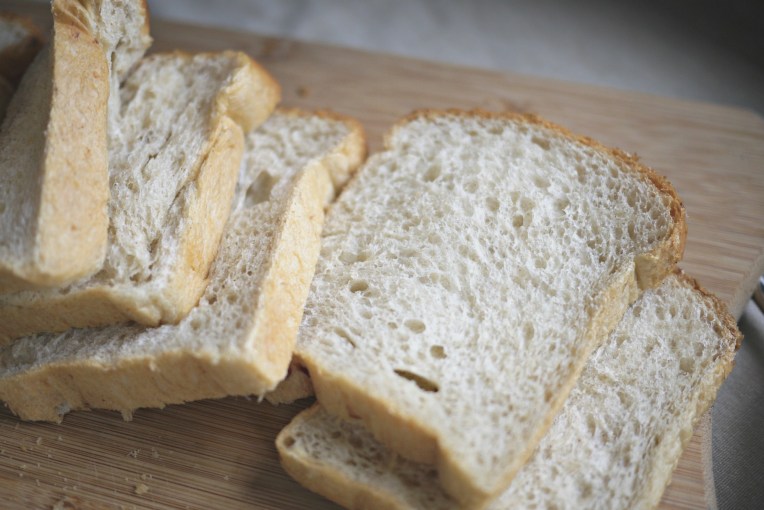
Ultra Soft Haiji White Buns 海蒂白面包

Ultra Soft Haiji White Buns // Mono + Co Ultra Soft Haiji White Buns // Mono + Co

{Update: after some changes to the oven temperature, these buns have turned ultra soft.}

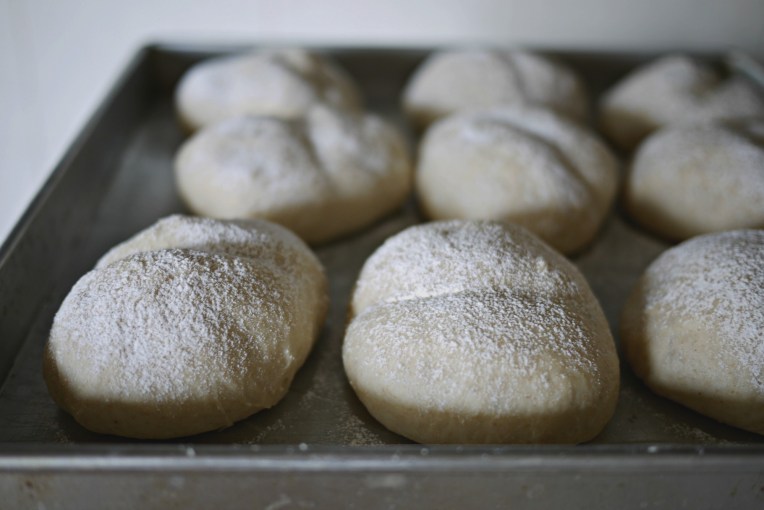
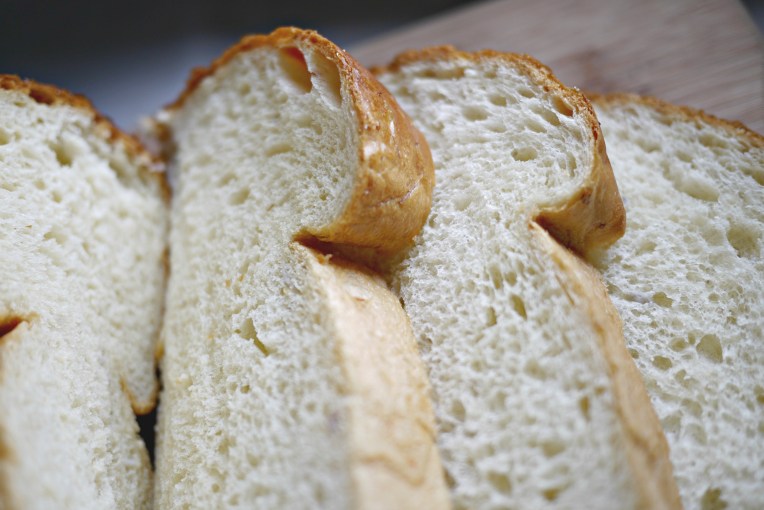
It’s amazing how baking these buns using almost similar honey milk rolls recipe at 20C lower turned them even softer, though not as white as I wanted them to be.  I preheated the oven at 190C, then baked at 150C for 15 minutes.  Some bakers bake these in preheated oven at 150C, not 190C, and produced beautiful white buns.  I am going to use this oven setting for my next bake.

In fact going by how soft these have turned out, I am going to be baking all my bun recipes at 150C from now on.

Once again, I dust the buns with rice flour before sending them into the oven for baking, totally optional.

Ultra Soft Haiji White Buns // Mono + Co Ultra Soft Haiji White Buns // Mono + Co  Ultra Soft Haiji White Buns // Mono + Co


Ultra Soft Haiji Buns

190g unbleached plain flour
30g wholemeal flour
1 teaspoon instant yeast
1/4 teaspoon sea salt
100g mashed taro
2 tablespoons raw honey
 80g fresh milk
25g cold butter, cubed
optional : rice flour for dusting

In a mixer bowl, place the dry ingredients: white flour, wholemeal flour, instant yeast, and sea salt, mix these dry ingredients well with a hand whisk.  Next, add cooled mashed taro, raw honey, and half of the fresh milk to the dry ingredients, and knead with a dough hook attachment on the lowest speed (KA 1).  Slowly add the remaining of the fresh milk with the mixer running, you may need more or less of the milk stated in the recipe.  Watch the dough, when the ingredients come into a ball,  stop adding milk and turn off the mixer.  Let the dough rest for 15 minutes.

Start the mixer running on its lowest speed again to knead the dough for 1 minute, before adding cubed butter, one by one.  Knead until the dough reaches window pane stage, this is when the dough becomes very smooth and elastic, and starts to pull away from the sides of the bowl.  Remove the bowl from mixer, cover with tea towel, and bulk rise for 1 hour.

After an hour, the dough should rise to double its volume, punch it down to release the gas, and transfer to a clean work top.  My dough was still sticky, so I sprinkle plain flour on the work top and dough to make shaping more manageable.  Flatten the dough to push out gas trapped inside the dough.  Divide dough into 9 equal portions, I weigh out each dough at about 55g each.  Shape each portion into a ball and place it in a greased tray, seam side facing downwards.  Using a chopstick (I used this for this bake) or rolling pin (I am going to use this for next bake, as I noticed that the fine line between the dough disappear after the final proof) and make a straight line dent in the middle of the bun, dent should bedeep enough without cutting the bun into half.

Let the buns sit in a draft free place to rise for another 50-60 minutes.   I topped my bread dough with rice flour before baking, purely for decorative purpose, totally optional.

Preheated oven at 190C, place the buns in and set the oven at 150C and bake for 15 minutes.  Remove the bread from the pan immediately after baking, and let it cool on a rack completely serving.

Store in an airtight container if not consumed immediately, to keep the buns soft and the crumbs from drying out.

Save

Save

Save

Save

Soft Taro Milk Honey Rolls

Soft Taro Milk Honey Rolls // Mono + Co

{Update: after some changes to the oven temperature, these buns have turned ultra soft.}

After an entire week of not baking bread, I bought my taro from the market today to make these fluffy soft buns.

These sweet buns with fresh milk and raw honey are good enough to be eaten on their own.  Warm them up slightly in a toaster before serving.  These already fluffy buns will turn even softer.

I have decided to bake this recipe into Haiji white rolls tomorrow with the remaining taro.


Soft Taro Milk Honey Rolls

200g unbleached plain flour
20g wholemeal flour
1 teaspoon instant yeast
1/4 teaspoon sea salt
100g mashed taro
2 tablespoon raw honey
 80g fresh milk
35g cold butter, cubed

In a mixer bowl, place the dry ingredients: white flour, wholemeal flour, instant yeast, and sea salt, mix these dry ingredients well with a hand whisk.  Next, add cooled mashed taro, raw honey, and half of the fresh milk to the dry ingredients, and knead with a dough hook attachment on the lowest speed (KA 1).  Slowly add the remaining of the fresh milk, with the mixer running, until the ingredients come into a ball.  Stop the mixer and let the dough stand aside for 15 minutes.

Start the mixer running on its lowest speed again, and knead the dough for 1 minute, before adding cubed butter, one by one.  Knead until the dough reaches window pane stage, this is when the dough becomes very smooth and elastic, and starts to pull away from the sides of the bowl.  Remove the bowl from mixer, cover with tea towel, and bulk rise for 1 hour.

After an hour, the dough should rise to double its volume, punch it down to release the gas, and transfer to a clean work top.  Flatten the dough to push out gas trapped inside the dough.  Divide dough into 10 equal portions.  Shape each portion into a ball and place it in a greased tray, seam side facing downwards.  Let this sit in a draft free place to rise for another 50-60 minutes.   I topped my bread dough with rice flour before baking, purely for decorative purpose, totally optional.

Bake in a preheated oven at 190C for 15 minutes.  Remove the bread from the pan immediately after baking, and let it cool on a rack completely serving.

Store in an airtight container if not consumed immediately, to keep the buns soft and the crumbs from drying out.

Save

Save

Save

Natural Starter Potato Boule

Natural Starter Potato Boule // Mono + Co Natural Starter Potato Boule // Mono + Co Natural Starter Potato Boule // Mono + Co

No recipe here, as I am still trying to figure out the best timing for every step in baking a bread with a natural starter:  what time to start, when is the starter most active, how long to wait, and when to bake.  They say every starter is unique, so watch the dough and judge with your eyes, see how the starter rises and falls, how the dough doubles in size, and not be fixated by the clock or recipe instructions.

I tried a few times to “bake by feel” and began to feel confident to use the natural starter for my root vegetable bread recipes.  A few tweaks are still required before I get the amount just right for my pullman loaf.  Until then,  I will just shape them into simple boules if they rise too much or too little to fit into my pan.  This one happens to use 100g of starter, 350g of bread flour and 100g of mashed potatoes, and took me about 15 hours from start to finish.

Save

Pineapple Tarts

Enclosed Pineapple Tart // Mono + Co Enclosed Pineapple Tart // Mono + Co

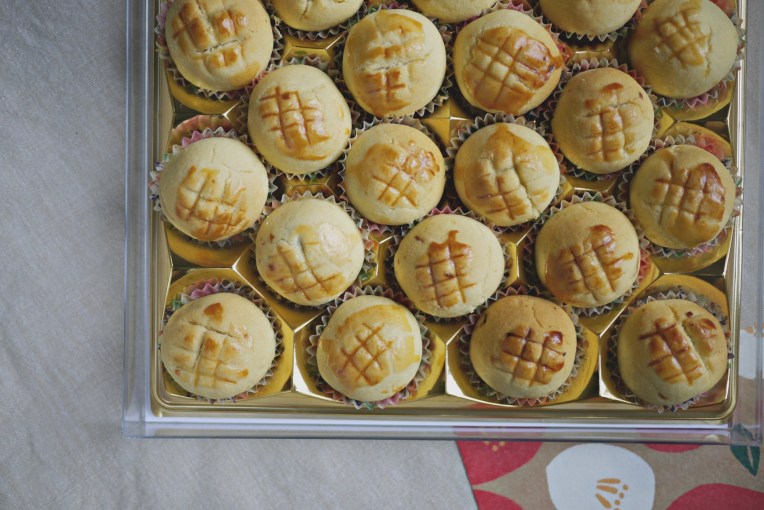
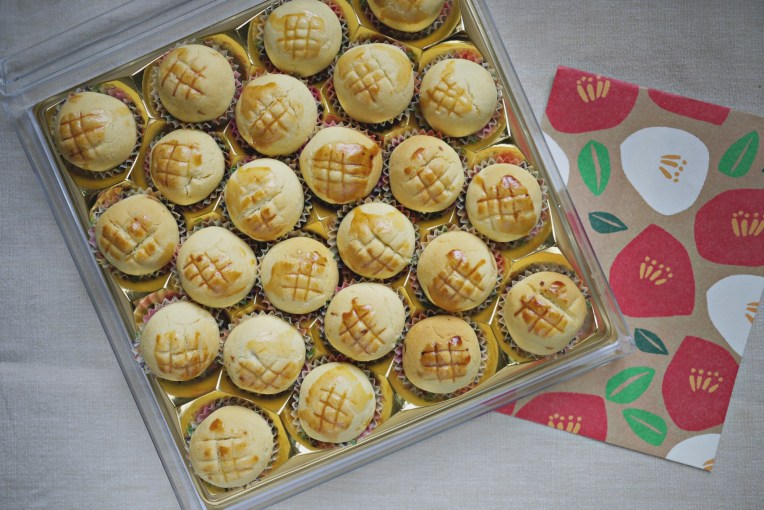
I am still making my own pineapple jam this way, glad that I had my preparation tips documented last year.  I definitely got into the pineapple tarts baking groove earlier this year, and even have the energy to try another popular 4-ingredients crust recipe besides the one that I always use.  Also realized that Ferrero Rocher chocolate box makes a nice tart container.


Enclosed Pineapple Tart

recipe from here,halved

175g salted butter, room temp
50g condensed milk
1 egg yolk
255g unbleached white flour
for eggwash : yolk and milk mixture
pineapple jam fillings, recipe here

Cream softened butter and condensed milk until the mixture is pale and fluffy with an electric mixer using a paddle hook attachment.

Add egg yolk and mix well.

Add flour and run the mixer on its lowest speed, stop immediately when a dough is formed, with no signs of white flour visible.

Chill the dough for 5 minutes in the chiller if it is too sticky to handle.

Before assembling the tarts, shape pineapple jam into 8g balls, and dough into 12g balls.

Wrap the jam inside the dough, seal, and shape into a round ball, place on a baking tray.  Repeat for the rest.

Score the top of the tarts for attractiveness is optional, egg wash is good enough for me.  But I wanted to distinct this batch from another batch using a different crust recipe.

Apply egg wash.

Bake for 23-25 minutes in a preheated oven at 170C.

Cool completely before storing.

Save

A Dough for 1 Wholemeal Taro Loaf + 4 Buns

Wholemeal Taro Loaf // Mono + Co Wholemeal Taro Loaf // Mono + Co Wholemeal Taro Loaf // Mono + Co Wholemeal Taro Loaf // Mono + Co Wholemeal Taro Loaf // Mono + Co Wholemeal Taro Loaf // Mono + Co

Yes! Another taro loaf recipe.  But I added 100 gram more flour to have some excess dough for 4 buns, 50g of dough for each bun to be exact.  I also filled the buns with cream cheese, with this soft sweet bun recipe, any filling will go with it, just add your favorite.

Wholemeal Taro Loaf // Mono + CoWholemeal Taro Loaf // Mono + Co

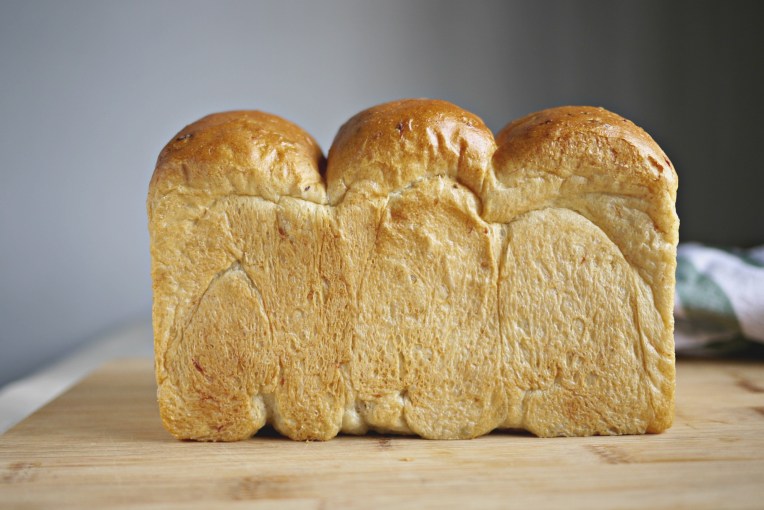
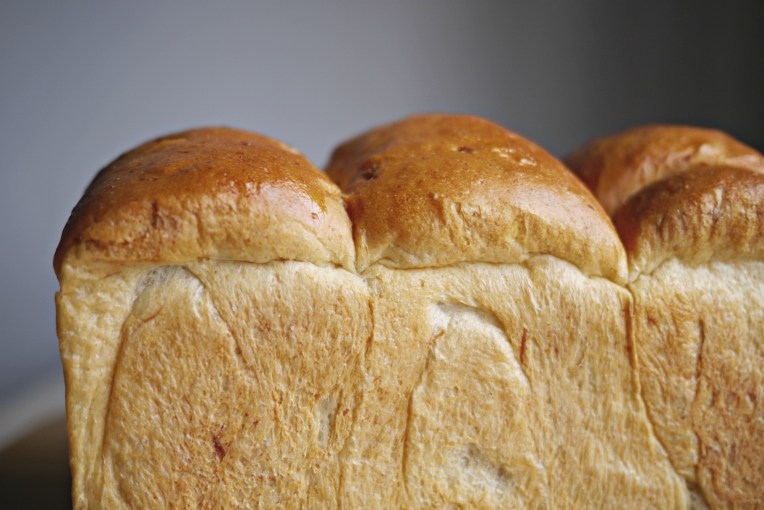
I can make three loaves of bread with half a taro bought from the market.  Even after adding an egg, and a generous slab of butter, the bread appears white, not yellowish.  This is what I like about adding taro to Asian style bread recipes.

If you like to bake a loaf for next day’s breakfast and extra four buns for afternoon tea, here’s the recipe:


1 loaf + 4 buns recipe

250g bread flour
50g wholemeal flour
1/4 teaspoon sea salt
2 tablespoons raw sugar
1/2 tablespoon instant yeast
100g steamed taro, mashed
1 egg, 70g with shell
30g water
35g cold butter, cubed

In a mixer bowl, mix well the dry ingredients: bread flour, wholemeal flour, yeast, sea salt, and raw sugar with a hand whisk.  Add cooled mashed taro, egg, and water to the dry ingredients, and knead with a dough hook attachment on the lowest speed (KA 1) until the ingredients come into a ball.  Let the dough stand for 15 minutes, cover the bowl with a clean tea towel if it’s windy in your kitchen.

Start the mixer running on its lowest speed again, and knead the dough for 1 minute, before adding cubed butter, one by one.  Knead until the dough reaches window pane stage, this is when the dough becomes very smooth and elastic, and starts to pull away from the sides of the bowl.  Remove the bowl from mixer, cover with tea towel, and bulk rise for 1 hour.

After an hour, the dough should rise to double its volume, punch it down to release the gas, and transfer to a clean work top.  Flatten the dough to push out gas trapped inside the dough, either by hand or a rolling pin.  Shape the dough and place it in a greased bread tin, seam side facing downwards.  Let this sit in a draft free place to rise for another 50-60 minutes.

Take out 4 x 50g of dough, and shape them into balls on a baking tray.

Shape the remaining dough into a loaf and place it in a greased bread tin, seam side facing downwards.  Let this sit in a draft free place to rise for another 50-60 minutes.  I divided the remaining dough into 3 equal parts and shape them swiss rolls style.

Let bun dough proof for 45 minutes, bake for 25min at 170C.

For Pullman loaf, proof for 50-60 minutes, bake in a preheated oven at 170C for 30 minutes.  Remove the bread from the pan immediately after baking, and let it cool on a rack completely before slicing or serving.

Store in an airtight container if not consumed immediately, to keep the loaf soft and the crumbs from drying out.

Save

Save

Apple Cinnamon Crumble

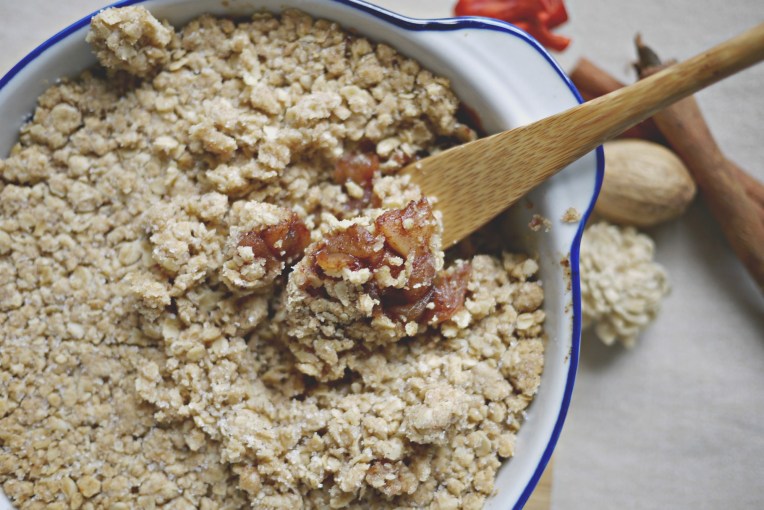
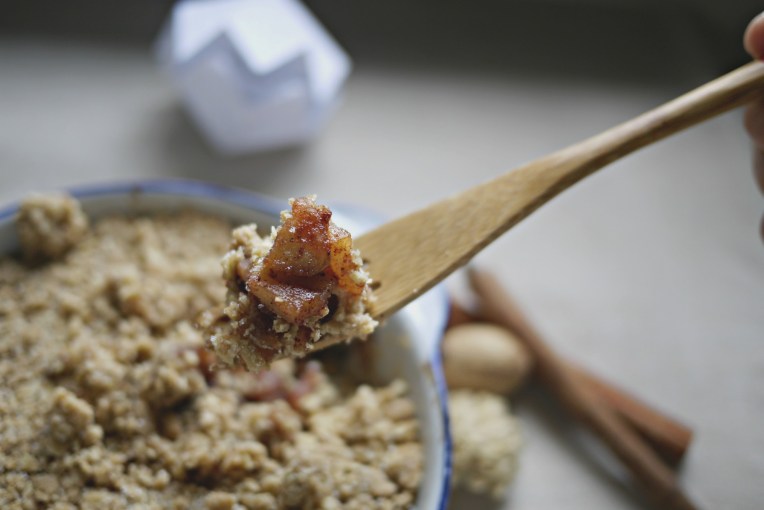
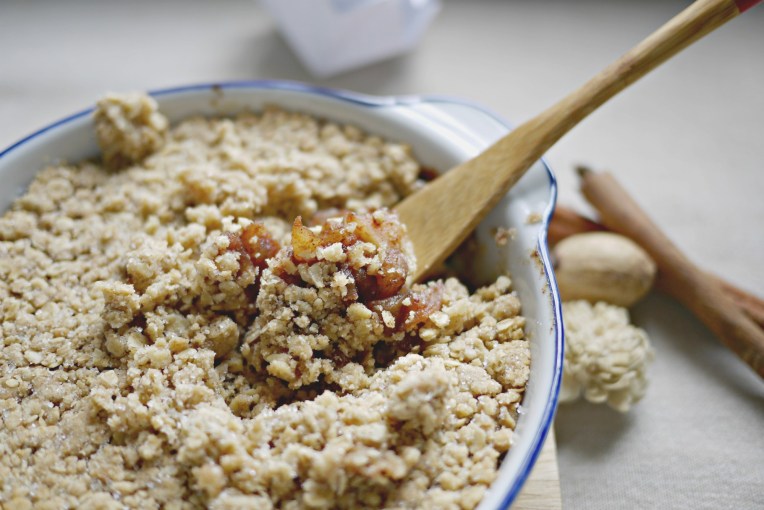
Apple Cinnamon Crumble // Mono + Co Apple Cinnamon Crumble // Mono + Co Apple Cinnamon Crumble // Mono + Co Apple Cinnamon Crumble // Mono + Co

My girl made this apple crumble the day before, it tasted so nice, we decided to tweak the recipe further to be served this coming Christmas as dessert.  Talk about being last minute!

The original recipe serves 2 with just an apple.  We thought the amount of filling could be increased and thus used 2 apples instead, but maintain the amount of sugar to limit the number of calories.  Adding ground cinnamon to the filling also helps to make the filling taste sweeter without additional sugar.

I bake it in an old baking dish with a blue rim that mimics enamelware design.  This has been with me for quite some time, and sometimes I wished I have bought it in a pair.  I have been making baked rice, baked pasta, and also use it to replace toaster oven tray for heating up quick bites.


Apple Cinnamon Crumble

2 green apples, peeled, cored and diced
50g sugar
50ml water
2 teaspoons ground cinnamon
70g rolled oats
70g wholemeal flour
70g cold salted butter, diced
2 tablespoons sugar

To make the fillings, boil diced green apples, sugar, ground cinnamon and water, in a saucepan over low heat until all the liquid dries up and the apples are cooked.  Set aside to cool.

To make the crumble, rub butter into rolled oats and wholemeal flour until resembling breadcrumbs.  Stir in sugar and mix well.

In an oven safe baking dish/pie dish or any deep round pan, spread the apple fillings evenly.  Top with crumble and flatten slightly with the back of a tablespoon.

Bake for 20 minutes in a preheated oven at 190C.

Save

Save

Save

Soft Taro Milk Loaf

Soft Taro Milk Loaf // Mono + Co Soft Taro Milk Loaf // Mono + Co Soft Taro Milk Loaf // Mono + Co

The first bread loaf that I bake after almost a month long hiatus is this Taro Milk Loaf, exactly the same as this recipe I baked earlier, with milk instead of plain water.  The bread is now good enough to be eaten on its own since I have added a whole egg, butter, and milk as ingredients.  Talk about convenient food!


Soft Taro Milk Loaf

200g bread flour
1/2 tablespoon instant dry yeast
1/4 teaspoon sea salt
2 tablespoons organic raw sugar
100g steamed taro, mashed
1 egg **
55g fresh milk
30g cold unsalted butter, cubed

** I ran out of large eggs and used a 55g egg for this bake.  If a larger egg is used, I will add just 30g milk, and top up if necessary, spoon by spoon, until the ingredients come into a ball.  Otherwise, the dough may end up too wet to be handled or shaped.

In a mixer bowl, mix well the dry ingredients: bread flour, yeast, sea salt, and raw sugar with a hand whisk.  Add cooled mashed taro, egg, and half of the fresh milk to the dry ingredients, and knead with a dough hook attachment on the lowest speed (KA 1).  Slowly add in the remaining of the fresh milk, with the mixer running, until the ingredients come into a ball.  Let the dough stand for 15 minutes, cover the bowl with a clean tea towel if your kitchen is windy.

Start the mixer running on its lowest speed again, and knead the dough for 1 minute, before adding cubed butter, one by one.  Knead until the dough reaches window pane stage, this is when the dough becomes very smooth and elastic, and starts to pull away from the sides of the bowl.  Remove the bowl from mixer, cover with tea towel, and bulk rise for 1 hour.

After an hour, the dough should rise to double its volume, punch it down to release the gas, and transfer to a clean work top.  Flatten the dough to push out gas trapped inside the dough, either by hand or a rolling pin.  Shape the dough and place it in a greased bread tin, seam side facing downwards.  Let this sit in a draft free place to rise for another 50-60 minutes.

Bake in a preheated oven at 170C for 30 minutes.  Remove the bread from the pan immediately after baking, and let it cool on a rack completely before slicing or serving.

Store in an airtight container if not consumed immediately, to keep the loaf soft and the crumbs from drying out.
Save

Save

Save

Napa Cabbage Rice

Napa Cabbage Fried Rice // Mono + Co

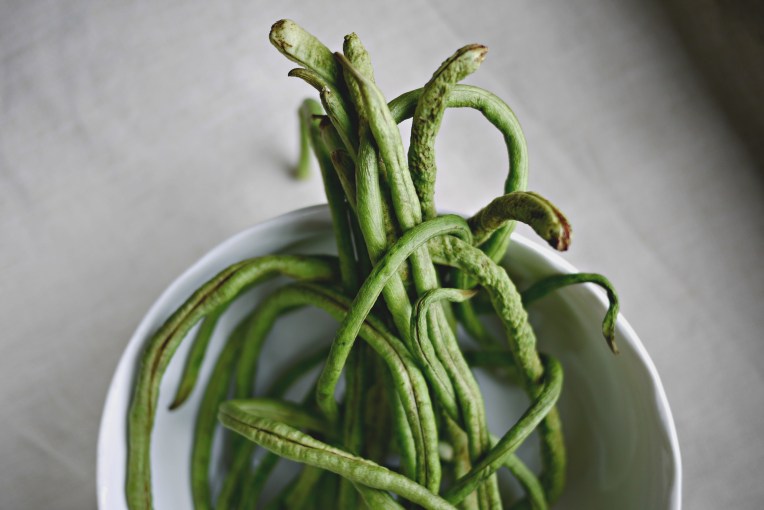
These long beans are wilting fast in my fridge drawer, so I decided to chop them up finely to cook meatless cabbage rice that is rather vaguely adapted from this recipe.  The cooking method is very similar, but the ingredients varied a lot.  I cooked with napa cabbage instead of the Taiwanese cabbage that is traditionally used for this popular Hokkien one-pot-meal.  Long beans, on the other hand, are not usually required for this dish.

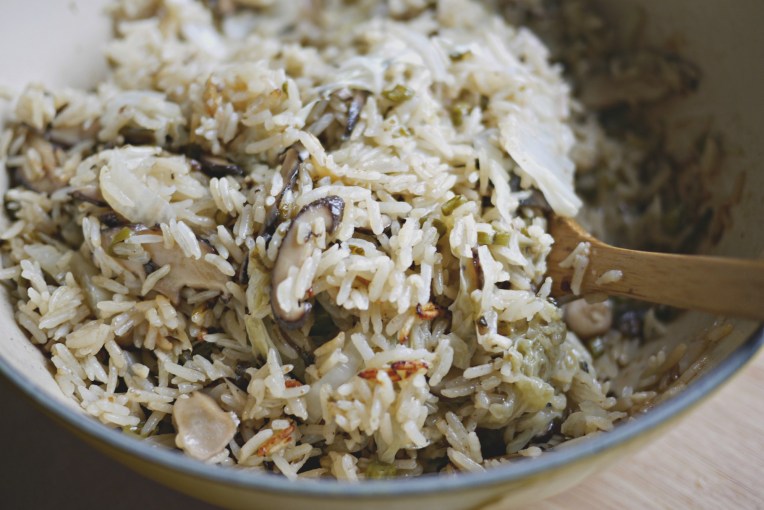
Another great challenge lies in my choice to omit dried shrimps and dried scallops to turn this dish suitable for vegetarians.  Whatever umami that is lost from dried shrimp and dried scallops, I tried to compensate with more dried shitake mushrooms.  I also added my favorite vegetarian XO/BBQ sauce.  To me, this is the closest I can get to imitate the fragrance of dried scallops and shrimps.  Lastly, I topped the rice with some preserved olive vegetables (橄榄菜) before adding water to cook, and now I don’t know whether my cabbage rice is anything close to the original cabbage rice.  I don’t really think so, but after all my adaptations, this is certainly still tasty!

What other ingredients do you use to add umami to your vegetarian cooking?

Napa Cabbage Fried Rice // Mono + Co Napa Cabbage Fried Rice // Mono + Co


VEGETARIAN CABBAGE RICE

vaguely adapted from & inspired by here

2 rice cups jasmine rice, rinsed and drained
15 small dried shiitake mushrooms **
2 tablespoon cooking oil
2 large cloves garlic, minced ***
5 leaves of napa cabbage, sliced
5 strings of long beans, chopped finely
1/2 teaspoon vegetarian XO/BBQ sauce
1 heaping teaspoon of preserved olive vegetables
1/2 tablespoon light soy sauce

** Rehydrate dried shiitake mushrooms in 1.5 rice cups of room temperature water for about 2 hours.  Reserve the water used to soak the mushrooms, these are full of flavor and great for cooking.  Sieve this liquid before using to get rid of dust and particles.  Slice the mushrooms and set aside.

*** Can be replaced with a knob of ginger, julienned.

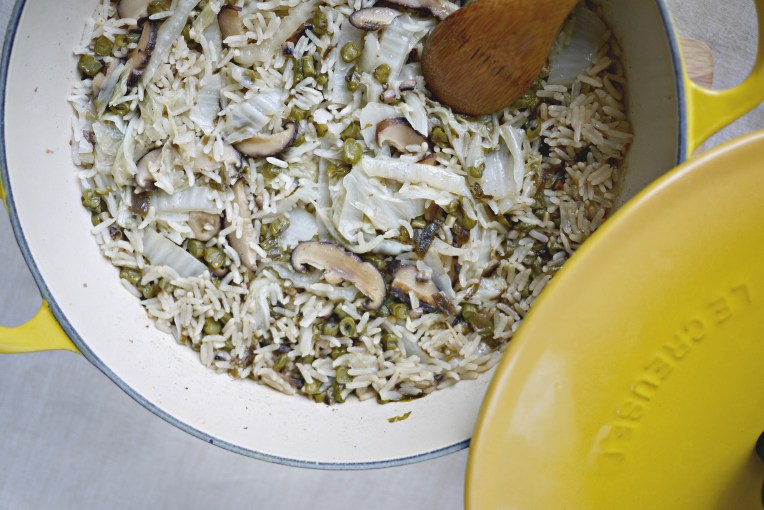
I cooked and served this in a 22cm Le Creuset Marmite Pot.  This can also be cooked in a rice cooker, after stir frying everything in a wok first.

In a heated pot/wok, add cooking oil, and add minced garlic/julienned ginger and fry till aromatic/golden brown.

Quickly add sliced shiitake mushrooms to bring down the oil temperature so that the garlic/ginger don’t get burnt.  Stir fry to cook the mushrooms, they will become more fragrant after frying with oil.

Next, add the chopped long beans, once they are coated with oil, add 2 tablespoons of the reserved mushroom liquid to “steam-fry” the beans so that they get cooked faster.  Once the liquid added gets evaporated, add vegetarian XO/BBQ sauce and preserved olive vegetables.  Stir around to mix.

Add the cabbage, and stir-fry until the leaves turn soft.

Pour in all the rice and stir with a spoon to coat rice with oil/ingredients in the pot/wok.

Option 1. If cooking with a rice cooker, now is the time to transfer the rice into the rice cooker.  Add mushroom liquid, light soy sauce and top up with more water enough to cook 2 cups of rice and set the cooker to cook mode.

Option 2. If cooking over the stove, measure 2 cups of water with the mushroom liquid, light soy sauce and water, add these into the pot, stir to mix well, especially at the bottom, taking care not to let any ingredients get stuck or they will be burnt, then cover with the lid to cook.  Once the liquid starts to boil, turn down the fire to let it simmer, it takes the rice around 10 minutes to cook.  I usually listen out for a crackling sound, a sign that the all the liquid has dried up and the bottom layer of rice is charring.  Then I will turn off the fire and let the pot of rice sit undisturbed with its lid covered for another 10 minutes before serving.

Save

Save

Save

Banana Cinnamon Muffins

Banana Cinnamon Muffins // Mono+Co

The kitchen was filled with the scent of cinnamon, butter and banana this morning.  But these arrived too late for breakfast, so we had them for brunch, as dessert after lunch and again with afternoon tea.  I think I have found my favourite moist and fluffy muffin recipe , all thanks to the 2 large bananas that I left on the counter intentionally to ripe.

Banana Cinnamon Muffins // Mono+Co

My FB and IG posts have been hashtagged with lots of #uglyfoodisthenewgood and #happyplatesg.  Just trying my best to send a truck of fresh food to households who need them most, I hope I can tag enough to send a truckload by end of November!

While the campaign is aiming at raising awareness on food waste in Singapore, this year, the effort is narrowed down to reducing waste from “ugly food”; fruits and vegetables that are not pretty enough to make it into the shoppers’ carts and discarded.  But I don’t think these “ugly food” ever made it to the shop shelves, when I step into the market, all I see are glistening fruits and perky vegetables.  I think my vegetables in the chillers after 3 days are “uglier” than the ugliest one you can find in the shops.  For the purpose of taking part in this campaign, I even stretched out the shelf life of my stock of vegetables and fruits just to label them as ugly.  Just like these bananas.  But bananas are sweeter when really ripe, turning them into perfect ingredients for cakes and muffins, so I really don’t mind waiting a while more.

Banana Cinnamon Muffins // Mono+Co Banana Cinnamon Muffins // Mono+Co


Banana Muffins

adapted from here

1/3 cup melted unsalted butter
1/2 cup honey
2 large eggs
2 large very ripe bananas, mashed
1/4 cup milk
1 teaspoon baking soda
1 teaspoon vanilla extract
1/2 teaspoon salt
1/2 teaspoon ground cinnamon
210g wholemeal flour

In a large mixer bowl, beat melted butter and honey with a paddle attachment until they are well mixed.

Add eggs, beat again, then add milk and mashed bananas, beat to mix well.   Next, add baking soda, vanilla extract, salt and ground cinnamon, beat again.

Remove the bowl from mixer, fold the flour into the batter.

Divide batter to fill a 12-muffin pan.

Bake in a preheated oven at 160C for 25 minutes, or until a test skewer comes out clean.

Place the muffin pan on a rack to cool.

Save

Save

Save

Save

Save