Potato Raisin Bread

Potato Raisin Bread // Mono + Co Potato Raisin Bread // Mono + Co Potato Raisin Bread // Mono + Co     Potato Raisin Bread // Mono + Co

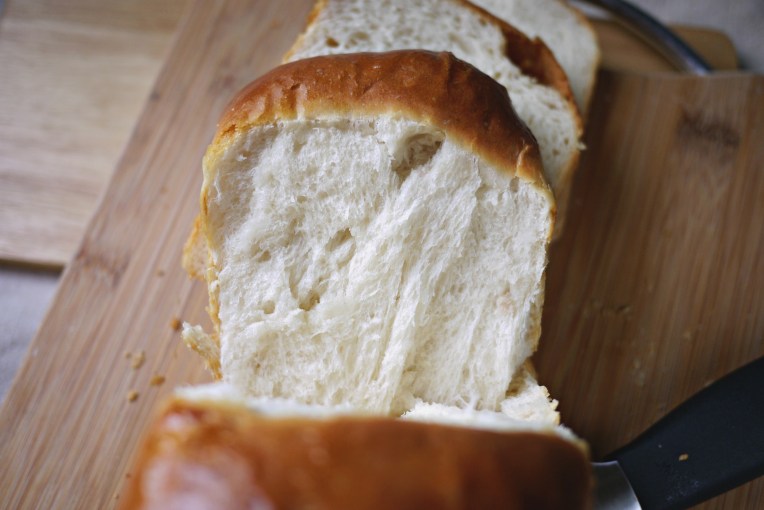
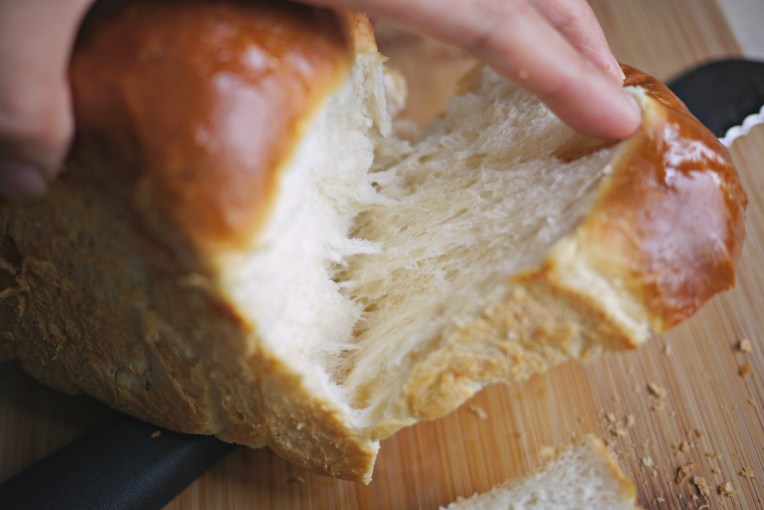
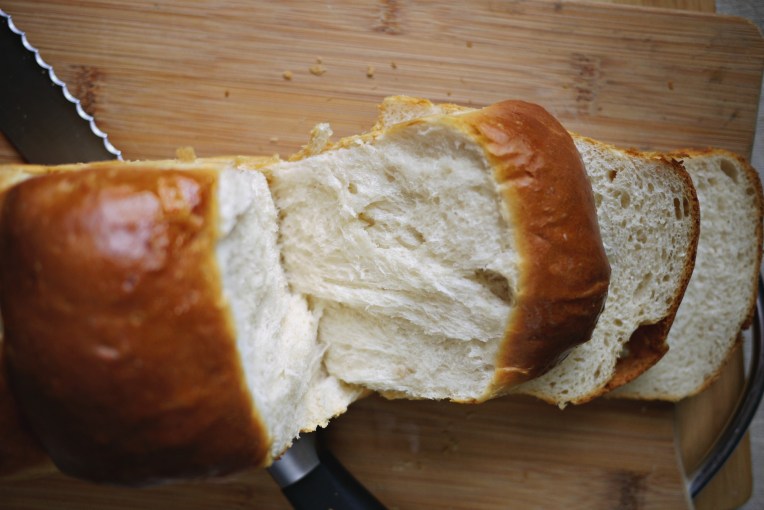
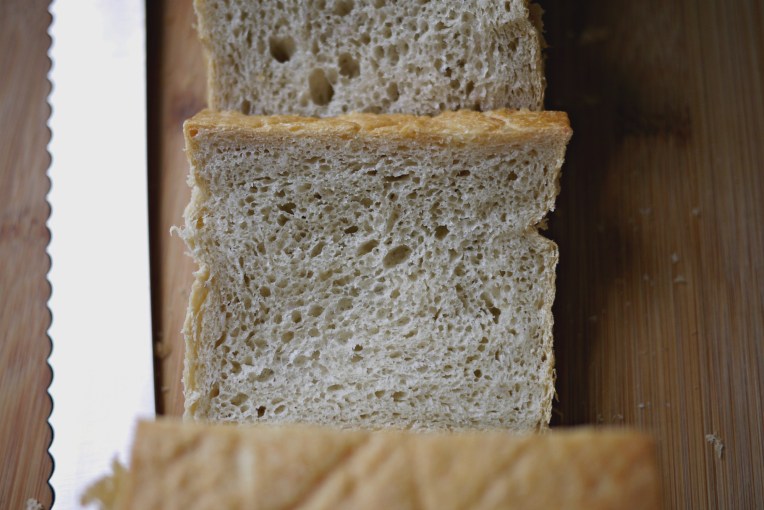
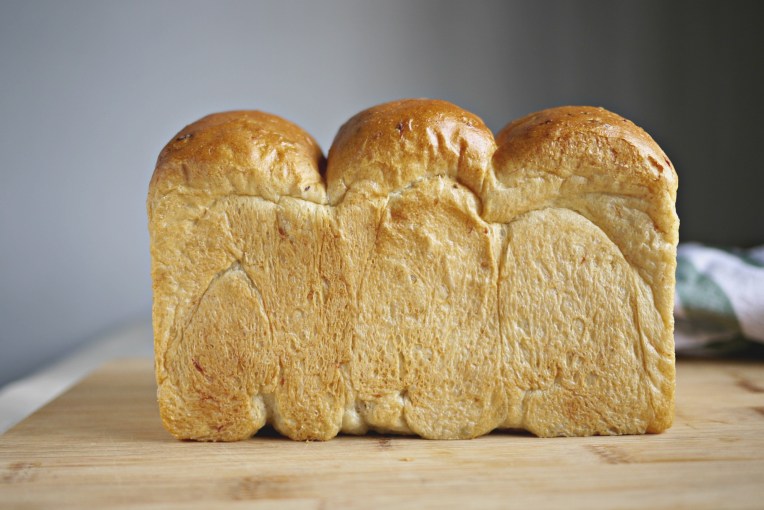
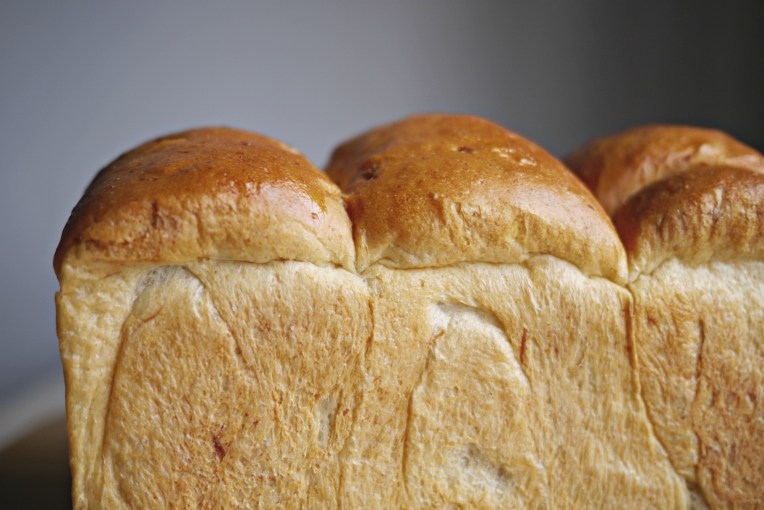
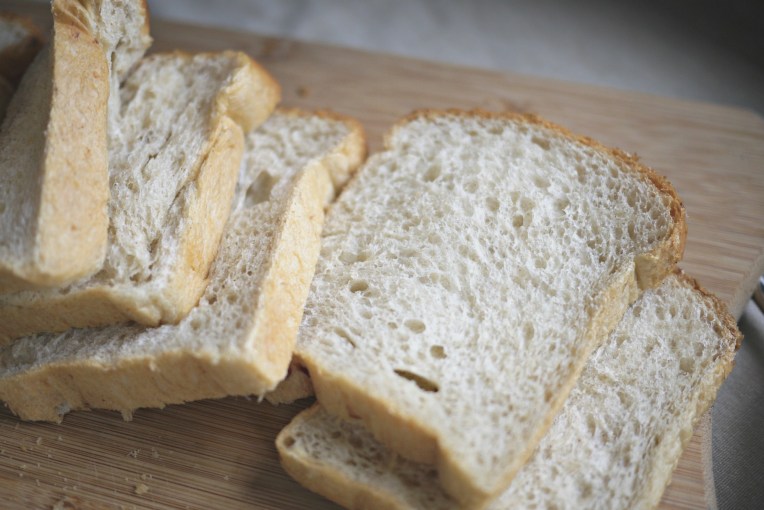
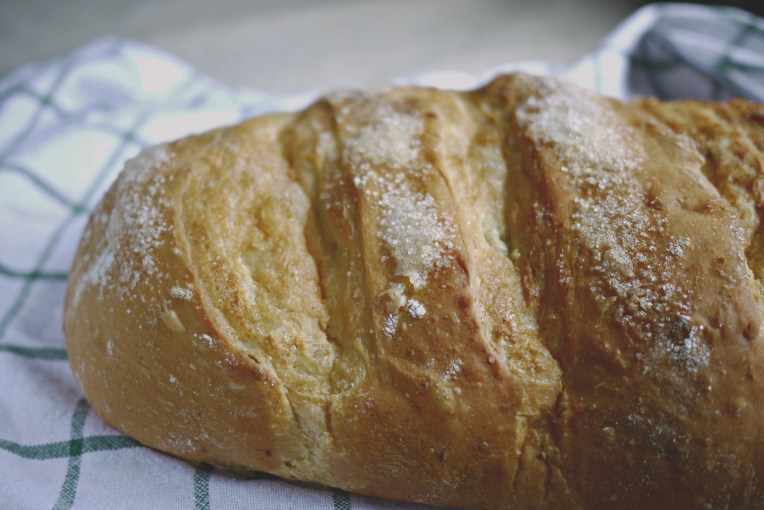
I love slightly sticky dough when I want to make soft bread loaves like this sugar topped raisin bread.  With eggs, honey and more than the usual amount of water added, the final dough will be much more wobbly than usual, but after 30 minutes in the oven set at 160C, it transforms itself into an almost sponge cake like texture bread.

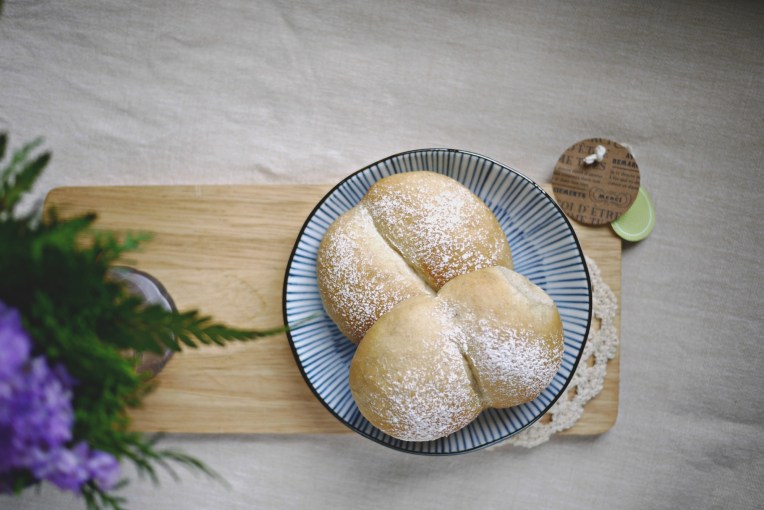
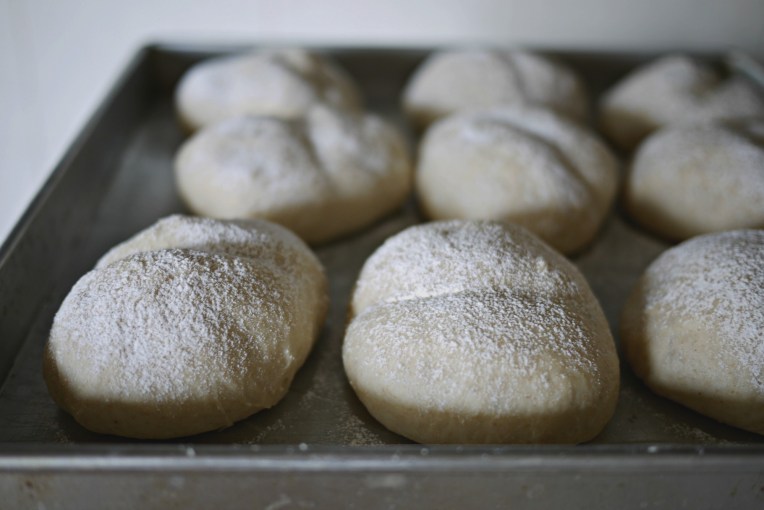
I made 3 slashes to the bread before baking and topped with butter strips a sprinkle of sugar.  This is to mimic the sugar-topped bread rolls that are a common item in the neighborhood bakeries.  But I get to control the amount of sugar this time.


Potato Raisin Bread

300g plain flour
1 teaspoon instant dry yeast
1/4 teaspoon sea salt
1 tablespoon raw honey
140g mashed potatoes
1 egg **
85g water
20g cold butter, cubed
60g raisins

For toppings : 
butter cut into strips 
1 -2 tablespoons sugar

** I used a small egg weighing 60g with shell.

*** Soak the raisins in warm water for 30 minutes.  Drain and squeeze slightly to remove excess liquid before use.

In a mixer bowl, add dry ingredients : plain flour, instant yeast, sea salt and stir well with a hand whisk.  Next add raw honey, cooled mashed potatoes, egg and start the mixer running to knead with a dough attachment.  Slowly drizzle water while the mixer is running.  Once all ingredients come into a ball, stop adding the water and turn off the mixer.  Leave this aside to stand for 15 minutes undisturbed.

After 15 minutes, turn on the mixer again for 1 minute, before adding cubed butter one by one.  Knead this until it reaches the window pane stage.  Then add raisins into the dough, let the mixer run for another 1 minute to let the raisin be incorporated into the dough.  It is ok if the raisins are not mixed uniformly, this can be done during the shaping stage when the dough is repeatedly stretch and fold.  Remove bowl from mixer and cover to bulk rise for 60 minutes.

After 60 minutes, the dough would have expanded to double its volume.  Punch to deflate it and transfer to a clean worktop.  The dough will be sticky, dust worktop and hands with flour to make the dough easier to handle.  A bench scraper will be extremely useful for handling such sticky dough too.  Using the stretch and fold method, shape the dough into a slight oblong bread.  Leave it aside covered for its final  60 minutes proof.

Preheat the oven to 160C.  Slash the bread and place butter strips where the slash marks are.  Mist the top of the dough with water, then sprinkle sugar on top.  Bake for 30 minutes.

When the baking is done, transfer the bread to a rack to cook completely before slicing to serve or store in an airtight container.
Save

Save

Save

Save

Save

Condensed Milk Wholemeal Taro Sandwich Loaf

Condensed Milk Wholemeal Taro Sandwich Loaf // Mono + Co

It’s always more exciting to bake Pullman loaf in a covered tin.  The bread dough is left to rise without a view during the last 15 minutes of proofing time, leaving this baker hoping hard that it will fill up to the brim without a hitch, preferably reaching all corners, producing a perfect squarish sandwich bread which sliced.

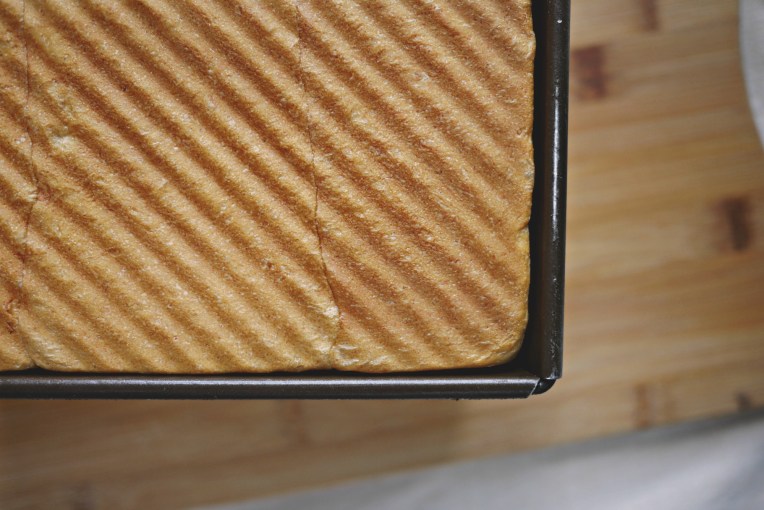
So it’s natural for my heart skipped a beat when I uncovered the lid after baking and saw this browned top crust, perfect.

Condensed Milk Wholemeal Taro Sandwich Loaf // Mono + CoCondensed Milk Wholemeal Taro Sandwich Loaf // Mono + Co

I adapted a recipe from Zoe, a cheerful mom who bakes for her happy kids in Melbourne.  The latest bread recipe she lauded to be soft and chewy is one with condensed milk added.  I simply love the sight of the tight crumbs in her photos, so I halved the recipe, added mashed taro (my secret to fluffy bread) on top of condensed milk (Zoe’s magic ingredient), switched 1/3 of the flour to wholemeal, and started kneading away.

Glad to have another reliable and versatile sweet loaf recipe in my (almost) daily bread baking repertoire.

Condensed Milk Wholemeal Taro Sandwich Loaf // Mono + Co  Condensed Milk Wholemeal Taro Sandwich Loaf // Mono + Co Condensed Milk Wholemeal Taro Sandwich Loaf // Mono + Co Condensed Milk Wholemeal Taro Sandwich Loaf // Mono + Co


Condensed Milk Taro Pullman Loaf

adapted from here

200g plain flour
100g wholemeal flour
1 teaspoon instant dry yeast
1/4 teaspoon sea salt
1 heap tablespoon milk powder
100g condensed milk 
68g steamed taro, mashed 
120g water 
20g cold butter, cubed

In a mixer bowl, place plain flour, wholemeal flour, instant yeast, sea salt, and milk powder and mix with a hand whisk to mix these dry ingredients well.

Add condensed milk, cooled mashed taro, and half of the required water, then turn on the mixer to start kneading with a hook attachment while pouring the remaining water slowly, stop the mixer when the ingredients have come into a ball.  Let this dough rest aside for 15 minutes.

After 15 minutes, turn on the mixer again to knead the dough for 1 minute, before adding the cubed butter one by one.  Continue to knead when all traces of butter are gone, until the dough reaches window pane stage, it will be very elastic and smooth and pull away from the side of a very clean bowl.

Stop the mixer and remove the bowl, let the dough bulk rise for 60 minutes covered with a pot lid or clean towel.

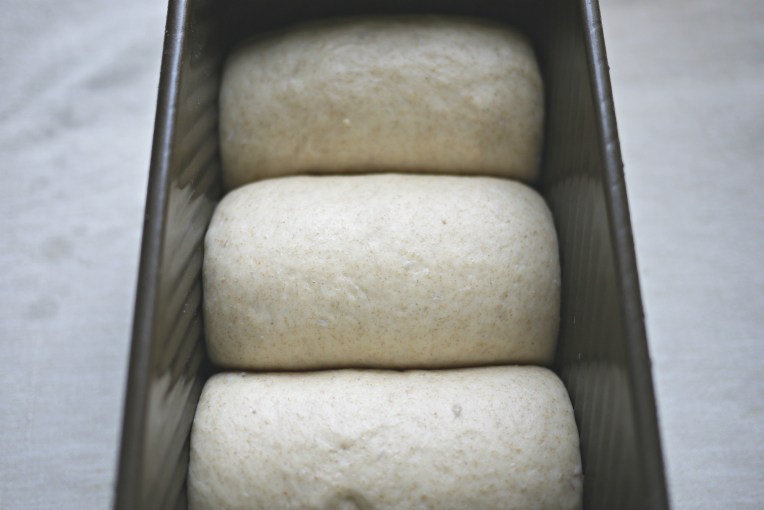
After an hour, the dough would have risen to double its volume.  Punch it down to release gas, transfer to a clean worktop.  Divide the dough into 3 equal portions (mine weighs about 212g each.)  Flatten each dough to push out gas trapped during the bulk rise stage, then roll out into a long oval strip.  Roll it up like a swiss roll from the shorter end, and placed it in a well greased Pullman loaf tin, seam side downwards.  Repeat with the other 2 portions of dough.

Cover the tin and leave it aside to proof for 60 minutes.  Bake for 30 minutes in a preheated oven at 160C.  Remove bread from tin immediately after baking and let it cool completely on a rack before slicing to serve or storing in an airtight container.

Save

Save

Save

Save

Taro Milk Loaf

Taro Milk Loaf // Mono + Co

Years back, one of the first few loaves I attempted to bake at home was a Hokkaido milk bread recipe, they were all over the internet then.  It’s not hard to fall in love with these milk loaves when they are so fluffy, soft and sweet.  That’s how I learned that the rich milky aroma actually comes from a combination of milk PLUS milk powder, whipping cream, egg, and sweetener.  Over time, I slowly removed or reduced the latter four ingredients from my loaf recipe in pursuit of a healthier bread for breakfast.

Taro Milk Loaf // Mono + Co

Another signature feature of the Japanese bread is this ubiquitous “pull apart web” effect, which I have managed to achieved with various root vegetable loaf recipes.  As long as the dough has been kneaded to reach the window pane stage, this outcome will somehow be a given.  And I have also skipped the tangzhong or sponge method, the go-to method for fluffy Japanese style bread, opting for the easier straight dough method instead.  The sponge method is said to be good for keeping the crumbs soft for the next 1 or 2 days, in a case of leftover.  Since we usually finish up the bread in 2 days or less, plus I have noticed my 2 days old buns baked with root vegetables seem to do well in retaining their soft texture, the straight dough method will suffice.

Taro Milk Loaf // Mono + Co

I just bought a packet of milk powder to modify some of my root vegetables bread recipes,  I miss that whiff of creamy dairy aroma that appears when you stick your nose close to your bread.  There is only so much fresh milk I can add to my recipes without turning it into a shaggy mess.  So I am turning to milk powder for help for today’s bake.

Taro Milk Loaf // Mono + Co


Taro Milk Loaf

225g plain flour
3 tablespoons instant milk powder
2 tablespoons raw sugar
1 teaspoon instant dry yeast
1/4 teaspoon sea salt
105g mashed taro
95g fresh milk
20g cold butter, cubed

In a mixer bowl, place the dry ingredients: plain flour, instant milk powder, raw sugar, instant yeast, and sea salt, mix these dry ingredients well with a hand whisk.  Next, add cooled mashed taro and half of the milk to the dry ingredients, and knead with a dough hook attachment on the lowest speed (KA 1).  Slowly add the remaining of the milk with the mixer running, you may need more or less of the milk stated in the recipe.  Watch the dough, when the ingredients come into a ball,  stop adding and turn off the mixer.  Let the dough rest for 15 minutes.

Start the mixer running on its lowest speed again to knead the dough for 1 minute, before adding cubed butter, one by one.  Knead until the dough reaches window pane stage, this is when the dough becomes very smooth and elastic, and starts to pull away from the sides of the bowl.  Remove the bowl from mixer, cover and bulk rise for 1 hour.

After an hour, the dough should rise to double its volume, punch it down to release the gas, and transfer to a clean work top.  Divide the dough into 3 equal portions (mine is about 166-168g each.) Flatten the dough and roll out with a pin.  Then roll up the dough like a swiss roll from the shorter end.  Place it in a well-greased Pullman tin, seam side downwards.  Repeat with the remaining 2 portions.

Let the bread rise for 60 minutes then bake for 30 minutes in a preheated oven at 170C.  Remove bread from tin immediately after baking and leave it to cool completely on a rack.

Save

Save

Save

Save

Save

Honey Taro Sandwich Loaf

Honey Taro Sandwich Loaf / Mono + Co

After baking these buns at a lower oven temperature that produced really soft texture, I wanted to see if this can be replicated on covered loaf recipes to turn them softer.

End result: softer, thinner crust with crumbs that stay soft and fluffy.

Honey Taro Sandwich Loaf / Mono + Co

I also added an extra tablespoon of raw honey to this recipe, as I usually can taste some sweetness in my bread, but never the aroma of honey.  This time, with 3 tablespoons in total, I finally can taste the honey in my end bake.  But this also means that I need to add slightly lesser liquid (water in this case) to my dough to make it easier to handle/shape.  Like I mentioned in my other recipes, I like to add just half the liquid stated in the recipe first, then top up slowly till the dough finally come together into a firm ball.  I do this to prevent the dough from getting too wet when I tweak the recipes/ ingredients.  I noticed that even an alteration in the brand/type of flour, sometimes the liquid amount required might also deviate slightly.

Honey Taro Sandwich Loaf / Mono + Co Honey Taro Sandwich Loaf / Mono + Co


Honey Taro Sandwich Loaf

225g plain flour
1 teaspoon instant yeast
1/4 teaspoon sea salt
3 tablespoons raw honey
105g mashed taro
80g water
30g cold butter, cubed

In a mixer bowl, place the dry ingredients: plain flour, instant yeast, and sea salt, mix these dry ingredients well with a hand whisk.  Next, add cooled mashed taro, raw honey, and half of the water to the dry ingredients, and knead with a dough hook attachment on the lowest speed (KA 1).  Slowly add the remaining of the water with the mixer running, you may need more or less of the water stated in the recipe.  Watch the dough, when the ingredients come into a ball,  stop adding water and turn off the mixer.  Let the dough rest for 15 minutes.

Start the mixer running on its lowest speed again to knead the dough for 1 minute, before adding cubed butter, one by one.  Knead until the dough reaches window pane stage, this is when the dough becomes very smooth and elastic, and starts to pull away from the sides of the bowl.  Remove the bowl from mixer, cover and bulk rise for 1 hour.

After an hour, the dough should rise to double its volume, punch it down to release the gas, and transfer to a clean work top. Shape the dough and place in a well-greased Pullman tin, seam side downwards, and cover the tin.  Remember to grease the cover as well.

Let the bread rise for 60 minutes then bake for 30 minutes in a preheated oven at 180C.  Remove bread from tin immediately after baking and leave it to cool completely on a rack.

Save

Save

Ultra Soft Haiji White Buns V.2 海蒂白面包

Ultra Soft Haiji Buns V.2 // Mono + Co Ultra Soft Haiji Buns V.2 // Mono + Co

OK, so these buns are still not as white as I thought they should be after tweaking the oven setting to bake at 150C, which is the lowest temperature that my oven can go.  But at least it took a shorter time to heat up compared to these baked yesterday which required a preheated oven at 190C.  That’s some electrical charges saved.

Another great improvement is the shaping part, the bun finally looks like 2 buns fused in the middle with that signature groove of a Haiji bun.  I used my rolling pin to make a deep and much wider dent on each dough ball.  I had to dust the top of the dough with flour to prevent the pin from sticking.  That’s 2 more tips I have picked up.


Ultra Soft Haiji Buns

200g unbleached plain flour
20g wholemeal flour
1 teaspoon instant yeast
1/4 teaspoon sea salt
100g mashed taro
2 tablespoons raw honey
 85g fresh milk
30g cold butter, cubed
optional : rice flour for dusting

In a mixer bowl, place the dry ingredients: white flour, wholemeal flour, instant yeast, and sea salt, mix these dry ingredients well with a hand whisk.  Next, add cooled mashed taro, raw honey, and half of the fresh milk to the dry ingredients, and knead with a dough hook attachment on the lowest speed (KA 1).  Slowly add the remaining of the fresh milk with the mixer running, you may need more or less of the milk stated in the recipe.  Watch the dough, when the ingredients come into a ball,  stop adding milk and turn off the mixer.  Let the dough rest for 15 minutes.

Start the mixer running on its lowest speed again to knead the dough for 1 minute, before adding cubed butter, one by one.  Knead until the dough reaches window pane stage, this is when the dough becomes very smooth and elastic, and starts to pull away from the sides of the bowl.  Remove the bowl from mixer, cover with tea towel, and bulk rise for 1 hour.

After an hour, the dough should rise to double its volume, punch it down to release the gas, and transfer to a clean work top.  Flatten the dough to push out gas trapped inside the dough.  Divide dough into 9 equal portions, I weigh out each dough at about 55g each.  Shape each portion into a ball and place it on a greased tray, seam side facing downwards. Using a rolling pin, make a straight deep dent in the middle of the bun, without cutting the bun into halves.  Dust flour on the top the dough ball to make it less sticky for the rolling pin to be removed.

Let the buns sit in a draft free place to rise for another 50-60 minutes.   Optional: I topped my bread dough with rice flour before baking for decorative purpose.

Bake the buns in a preheated oven at 150C and bake for 15 minutes.  Remove the bread from the pan immediately after baking, and let it cool on a rack completely serving.

Store in an airtight container if not consumed immediately, to keep the buns soft and the crumbs from drying out.

Save

Ultra Soft Haiji White Buns 海蒂白面包

Ultra Soft Haiji White Buns // Mono + Co Ultra Soft Haiji White Buns // Mono + Co

{Update: after some changes to the oven temperature, these buns have turned ultra soft.}

It’s amazing how baking these buns using almost similar honey milk rolls recipe at 20C lower turned them even softer, though not as white as I wanted them to be.  I preheated the oven at 190C, then baked at 150C for 15 minutes.  Some bakers bake these in preheated oven at 150C, not 190C, and produced beautiful white buns.  I am going to use this oven setting for my next bake.

In fact going by how soft these have turned out, I am going to be baking all my bun recipes at 150C from now on.

Once again, I dust the buns with rice flour before sending them into the oven for baking, totally optional.

Ultra Soft Haiji White Buns // Mono + Co Ultra Soft Haiji White Buns // Mono + Co  Ultra Soft Haiji White Buns // Mono + Co


Ultra Soft Haiji Buns

190g unbleached plain flour
30g wholemeal flour
1 teaspoon instant yeast
1/4 teaspoon sea salt
100g mashed taro
2 tablespoons raw honey
 80g fresh milk
25g cold butter, cubed
optional : rice flour for dusting

In a mixer bowl, place the dry ingredients: white flour, wholemeal flour, instant yeast, and sea salt, mix these dry ingredients well with a hand whisk.  Next, add cooled mashed taro, raw honey, and half of the fresh milk to the dry ingredients, and knead with a dough hook attachment on the lowest speed (KA 1).  Slowly add the remaining of the fresh milk with the mixer running, you may need more or less of the milk stated in the recipe.  Watch the dough, when the ingredients come into a ball,  stop adding milk and turn off the mixer.  Let the dough rest for 15 minutes.

Start the mixer running on its lowest speed again to knead the dough for 1 minute, before adding cubed butter, one by one.  Knead until the dough reaches window pane stage, this is when the dough becomes very smooth and elastic, and starts to pull away from the sides of the bowl.  Remove the bowl from mixer, cover with tea towel, and bulk rise for 1 hour.

After an hour, the dough should rise to double its volume, punch it down to release the gas, and transfer to a clean work top.  My dough was still sticky, so I sprinkle plain flour on the work top and dough to make shaping more manageable.  Flatten the dough to push out gas trapped inside the dough.  Divide dough into 9 equal portions, I weigh out each dough at about 55g each.  Shape each portion into a ball and place it in a greased tray, seam side facing downwards.  Using a chopstick (I used this for this bake) or rolling pin (I am going to use this for next bake, as I noticed that the fine line between the dough disappear after the final proof) and make a straight line dent in the middle of the bun, dent should bedeep enough without cutting the bun into half.

Let the buns sit in a draft free place to rise for another 50-60 minutes.   I topped my bread dough with rice flour before baking, purely for decorative purpose, totally optional.

Preheated oven at 190C, place the buns in and set the oven at 150C and bake for 15 minutes.  Remove the bread from the pan immediately after baking, and let it cool on a rack completely serving.

Store in an airtight container if not consumed immediately, to keep the buns soft and the crumbs from drying out.

Save

Save

Save

Save

Soft Taro Milk Honey Rolls

Soft Taro Milk Honey Rolls // Mono + Co

{Update: after some changes to the oven temperature, these buns have turned ultra soft.}

After an entire week of not baking bread, I bought my taro from the market today to make these fluffy soft buns.

These sweet buns with fresh milk and raw honey are good enough to be eaten on their own.  Warm them up slightly in a toaster before serving.  These already fluffy buns will turn even softer.

I have decided to bake this recipe into Haiji white rolls tomorrow with the remaining taro.


Soft Taro Milk Honey Rolls

200g unbleached plain flour
20g wholemeal flour
1 teaspoon instant yeast
1/4 teaspoon sea salt
100g mashed taro
2 tablespoon raw honey
 80g fresh milk
35g cold butter, cubed

In a mixer bowl, place the dry ingredients: white flour, wholemeal flour, instant yeast, and sea salt, mix these dry ingredients well with a hand whisk.  Next, add cooled mashed taro, raw honey, and half of the fresh milk to the dry ingredients, and knead with a dough hook attachment on the lowest speed (KA 1).  Slowly add the remaining of the fresh milk, with the mixer running, until the ingredients come into a ball.  Stop the mixer and let the dough stand aside for 15 minutes.

Start the mixer running on its lowest speed again, and knead the dough for 1 minute, before adding cubed butter, one by one.  Knead until the dough reaches window pane stage, this is when the dough becomes very smooth and elastic, and starts to pull away from the sides of the bowl.  Remove the bowl from mixer, cover with tea towel, and bulk rise for 1 hour.

After an hour, the dough should rise to double its volume, punch it down to release the gas, and transfer to a clean work top.  Flatten the dough to push out gas trapped inside the dough.  Divide dough into 10 equal portions.  Shape each portion into a ball and place it in a greased tray, seam side facing downwards.  Let this sit in a draft free place to rise for another 50-60 minutes.   I topped my bread dough with rice flour before baking, purely for decorative purpose, totally optional.

Bake in a preheated oven at 190C for 15 minutes.  Remove the bread from the pan immediately after baking, and let it cool on a rack completely serving.

Store in an airtight container if not consumed immediately, to keep the buns soft and the crumbs from drying out.

Save

Save

Save

Natural Starter Potato Boule

Natural Starter Potato Boule // Mono + Co Natural Starter Potato Boule // Mono + Co Natural Starter Potato Boule // Mono + Co

No recipe here, as I am still trying to figure out the best timing for every step in baking a bread with a natural starter:  what time to start, when is the starter most active, how long to wait, and when to bake.  They say every starter is unique, so watch the dough and judge with your eyes, see how the starter rises and falls, how the dough doubles in size, and not be fixated by the clock or recipe instructions.

I tried a few times to “bake by feel” and began to feel confident to use the natural starter for my root vegetable bread recipes.  A few tweaks are still required before I get the amount just right for my pullman loaf.  Until then,  I will just shape them into simple boules if they rise too much or too little to fit into my pan.  This one happens to use 100g of starter, 350g of bread flour and 100g of mashed potatoes, and took me about 15 hours from start to finish.

Save

A Dough for 1 Wholemeal Taro Loaf + 4 Buns

Wholemeal Taro Loaf // Mono + Co Wholemeal Taro Loaf // Mono + Co Wholemeal Taro Loaf // Mono + Co Wholemeal Taro Loaf // Mono + Co Wholemeal Taro Loaf // Mono + Co Wholemeal Taro Loaf // Mono + Co

Yes! Another taro loaf recipe.  But I added 100 gram more flour to have some excess dough for 4 buns, 50g of dough for each bun to be exact.  I also filled the buns with cream cheese, with this soft sweet bun recipe, any filling will go with it, just add your favorite.

Wholemeal Taro Loaf // Mono + CoWholemeal Taro Loaf // Mono + Co

I can make three loaves of bread with half a taro bought from the market.  Even after adding an egg, and a generous slab of butter, the bread appears white, not yellowish.  This is what I like about adding taro to Asian style bread recipes.

If you like to bake a loaf for next day’s breakfast and extra four buns for afternoon tea, here’s the recipe:


1 loaf + 4 buns recipe

250g bread flour
50g wholemeal flour
1/4 teaspoon sea salt
2 tablespoons raw sugar
1/2 tablespoon instant yeast
100g steamed taro, mashed
1 egg, 70g with shell
30g water
35g cold butter, cubed

In a mixer bowl, mix well the dry ingredients: bread flour, wholemeal flour, yeast, sea salt, and raw sugar with a hand whisk.  Add cooled mashed taro, egg, and water to the dry ingredients, and knead with a dough hook attachment on the lowest speed (KA 1) until the ingredients come into a ball.  Let the dough stand for 15 minutes, cover the bowl with a clean tea towel if it’s windy in your kitchen.

Start the mixer running on its lowest speed again, and knead the dough for 1 minute, before adding cubed butter, one by one.  Knead until the dough reaches window pane stage, this is when the dough becomes very smooth and elastic, and starts to pull away from the sides of the bowl.  Remove the bowl from mixer, cover with tea towel, and bulk rise for 1 hour.

After an hour, the dough should rise to double its volume, punch it down to release the gas, and transfer to a clean work top.  Flatten the dough to push out gas trapped inside the dough, either by hand or a rolling pin.  Shape the dough and place it in a greased bread tin, seam side facing downwards.  Let this sit in a draft free place to rise for another 50-60 minutes.

Take out 4 x 50g of dough, and shape them into balls on a baking tray.

Shape the remaining dough into a loaf and place it in a greased bread tin, seam side facing downwards.  Let this sit in a draft free place to rise for another 50-60 minutes.  I divided the remaining dough into 3 equal parts and shape them swiss rolls style.

Let bun dough proof for 45 minutes, bake for 25min at 170C.

For Pullman loaf, proof for 50-60 minutes, bake in a preheated oven at 170C for 30 minutes.  Remove the bread from the pan immediately after baking, and let it cool on a rack completely before slicing or serving.

Store in an airtight container if not consumed immediately, to keep the loaf soft and the crumbs from drying out.

Save

Save