Dark Soy Chicken

darksoychicken // makingitblissful

If my “stir fry everyday” dishes seem skewed towards pleasing the palates of young children, that’s because I picked up cooking for my two young girls.  This recipe is adapted from Billy Law’s Dark Soy Pork Spare Ribs (老抽炒排骨).  The dark soy gravy teamed with jasmine white rice is a hit with my kids, but they have not picked up the taste for spare ribs; fats, bones and all.  That’s why I use skinless chicken breasts for this dish instead.

++Notes.001 // Original recipe uses 3 tablespoons of white sugar, I reduced it to 2.

++Notes.002 // Original recipe uses 3 tablespoons of water, I increased it to about 5-6, so that I can yield more gravy to go with rice.

RECIPE : DARK SOY CHICKEN
/ Source

____________

1 piece of skin+boneless chicken breast, diced
2 Tablespoons cooking oil
1 Tablespoon dark soy thick caramel sauce
2 Tablespoons light soy sauce
2 Tablespoons white sugar
5-6 Tablespoons water
1 clove of garlic, sliced (optional)
1 stalk of spring onion, cut into 5 cm length (optional)

____________

01. Mix the dark soy sauce, light soy sauce, sugar, water together in a small bowl, and give it a good stir to loosen up the thick caramel sauce in the mixture.  Set aside.

02. In a heated wok, add oil.

03. Once the oil starts to smoke,  add diced chicken meat, and stir fry quickly till meat is cooked and turns white and opaque.

04. Pour the sauce mixture in, keep stirring for about 2-3 minutes, ensuring every piece of meat gets covered by the dark sauce.

05. The sauce should start to thicken and caramelize.  At this point, turn off the fire, add the optional sliced garlic and spring onion, give it another good stir, before transferring to a plate.  Serve hot.

More 2014 Calendar Printables

2014calendars : part 2 // makingitblissful

January is going to be over soon.  But I continue to come across pretty printable 2014 calendars online.  Guess it’s never a bad idea to archive more.

So here we go again:

Month by Month:

Yearly

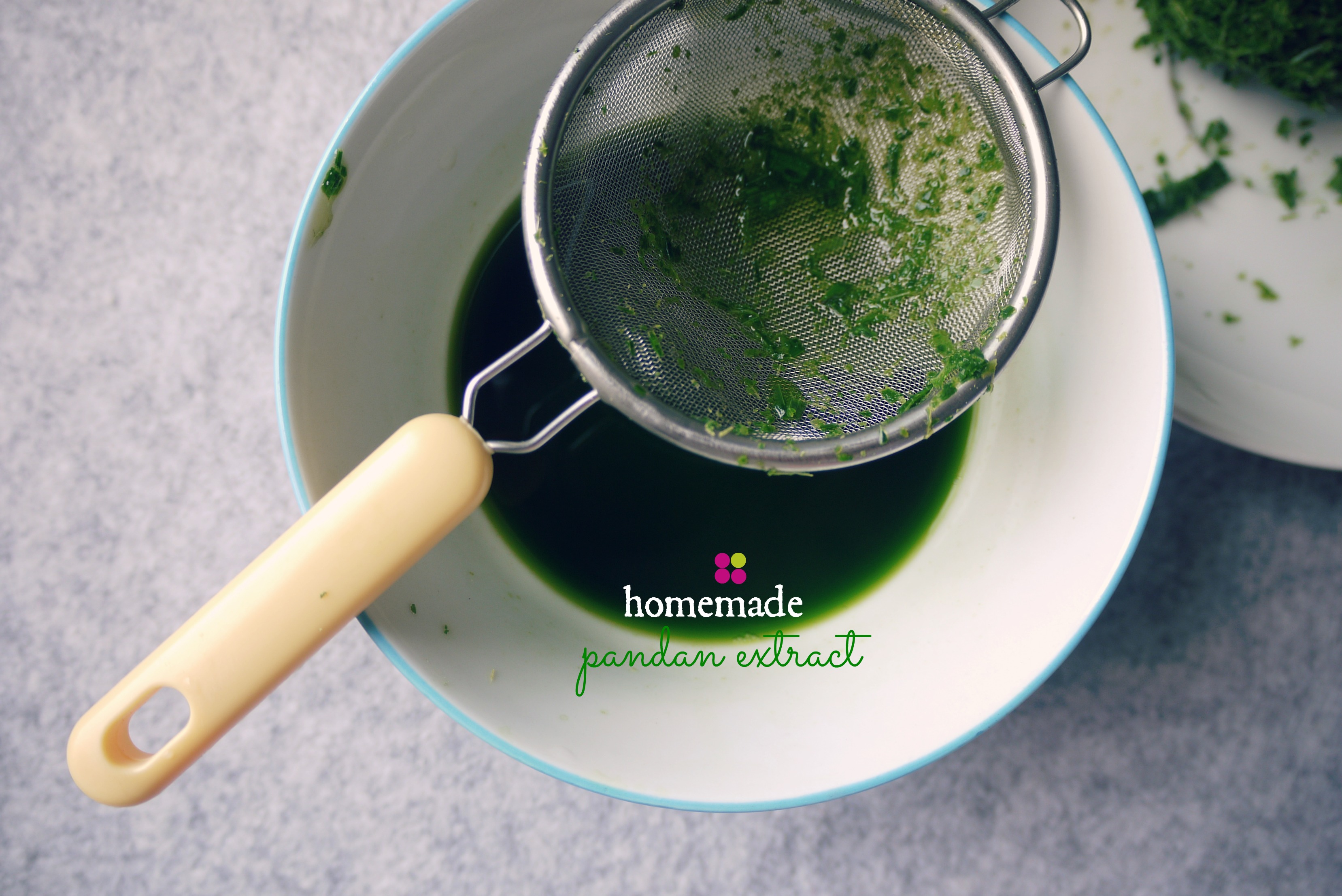
Homemade Pandan Extract

homemadepandanextract001 homemadepandanextract003

Method adapted from here.

Items needed : pandan leaves, some water, a food processor, and a fine mesh filter or a cheese cloth.

____________

01. Discard the dried and dark green outer layer leaves, use only the softer, bright green leaves inside.
02. Trim off the roots and cut up the leaves into small pieces (the smaller the better, pandan leaves are very fibrous and are impossible to blend without cutting them up first), and place them in a food processor.
03. Depending on how much leaves you use, add water bit by bit as you blend, just to make the blending easier.  Adding too much water will dilute and make the extraction of the pandan paste difficult, see my notes below.
04. Filter the blended leaves through a wire mesh/cheese cloth.  Squeeze to the very last drop, even if using your bare hands if necessary!
05. Let filtered pandan juice sits in the fridge for a few days till the pandan extract sink to the bottom of the container.
06.  Remove excess liquid on top and store the pandan extract in a covered container in the fridge, use up within 2 weeks.

++ Notes 001 // I am going to try this extraction method using a coffee filter next time round.   Letting the pandan juice sits a few nights in the fridge works very well for the pandan extract to settle at the bottom of the juice.  However, it was difficult to scoop out the clearer liquid on top without mixing it up with the separated dark green pandan extract below.  The extract is so fine and light; any slight movement, such as the lowering down of the spoon, would inevitably mix up the solution again, though the sediments now take a faster time to sink.  I had no choice but to accept that a little of the top liquid (actually pandan flavored water) will be going into my pandan cake.

Onion Chicken Stir Fry

sweetonionchickenstirfry003 sweetonionstirfry002This recipe from AllRecipes.com is rated 4.5/5 stars.  I simplified it by stir-frying just the chicken meat and onion with the seasonings.

RECIPE : ONION CHICKEN STIR FRY
/ Source

____________

1 piece chicken breast, about 250g, diced
1/2 onion, sliced thinly
2 tablespoons peanut oil
1/2 cup water
1 tablespoons soy sauce
1 tablespoon sugar
1 tablespoon cornstarch
1 stalk spring onion , for garnish (optional)

____________

01. Mix water, soy sauce, sugar and cornstarch well in a small bowl, set aside.

02. In a heated wok, add peanut oil.  Once the oil starts to smoke, add onion slices, and fry till they turn translucent.

03. Add chicken meat, and continue to fry till they turn white.

04. Stir the bowl of sauce to mix well again (cornstarch will settle to the bottom when set aside) and pour into the wok.

05. Keep stirring till the sauce is reduced and thickened to coat the chicken meat.

06. Transfer onto a plate, garnish with spring onions, and serve immediately with steamed white rice.

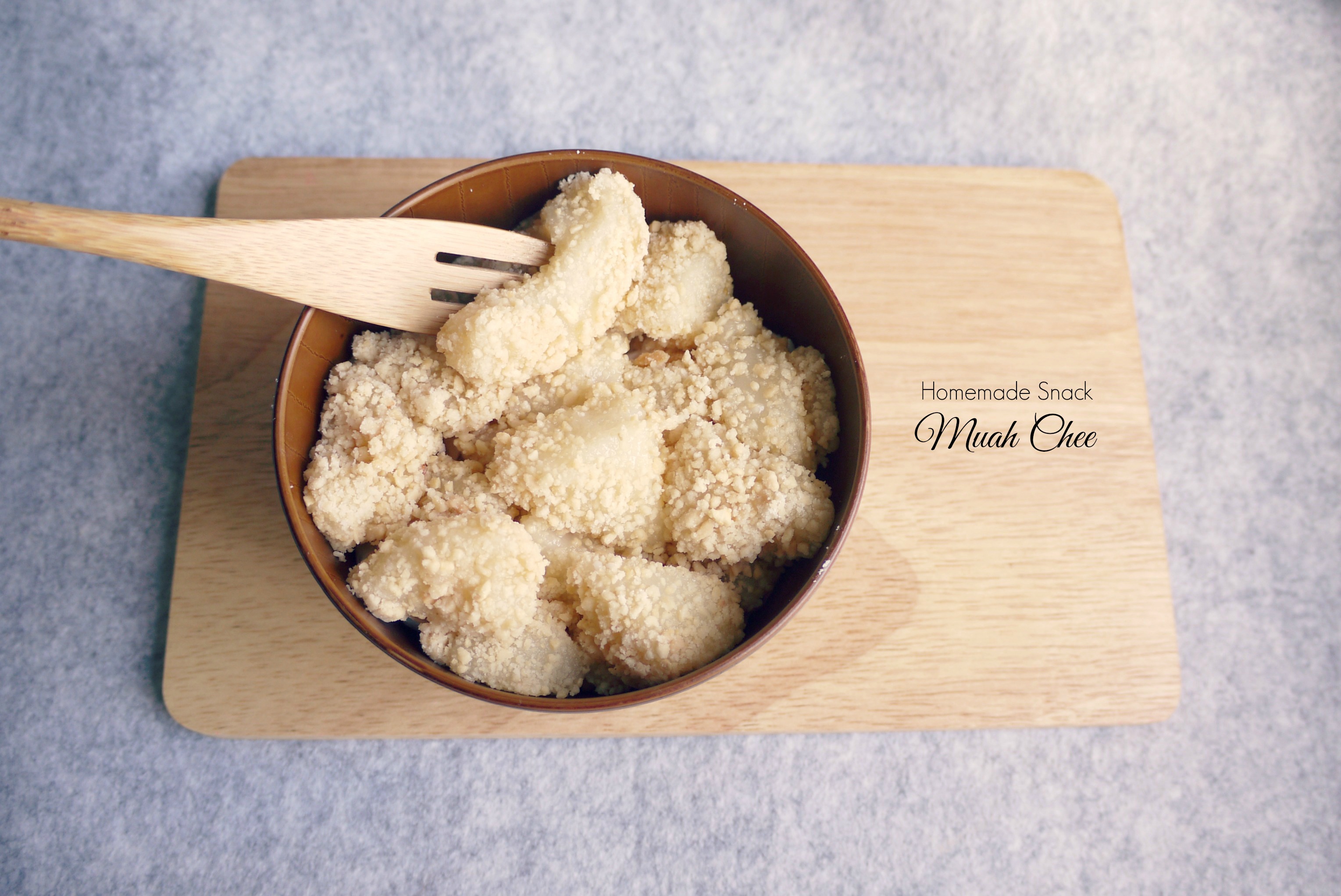
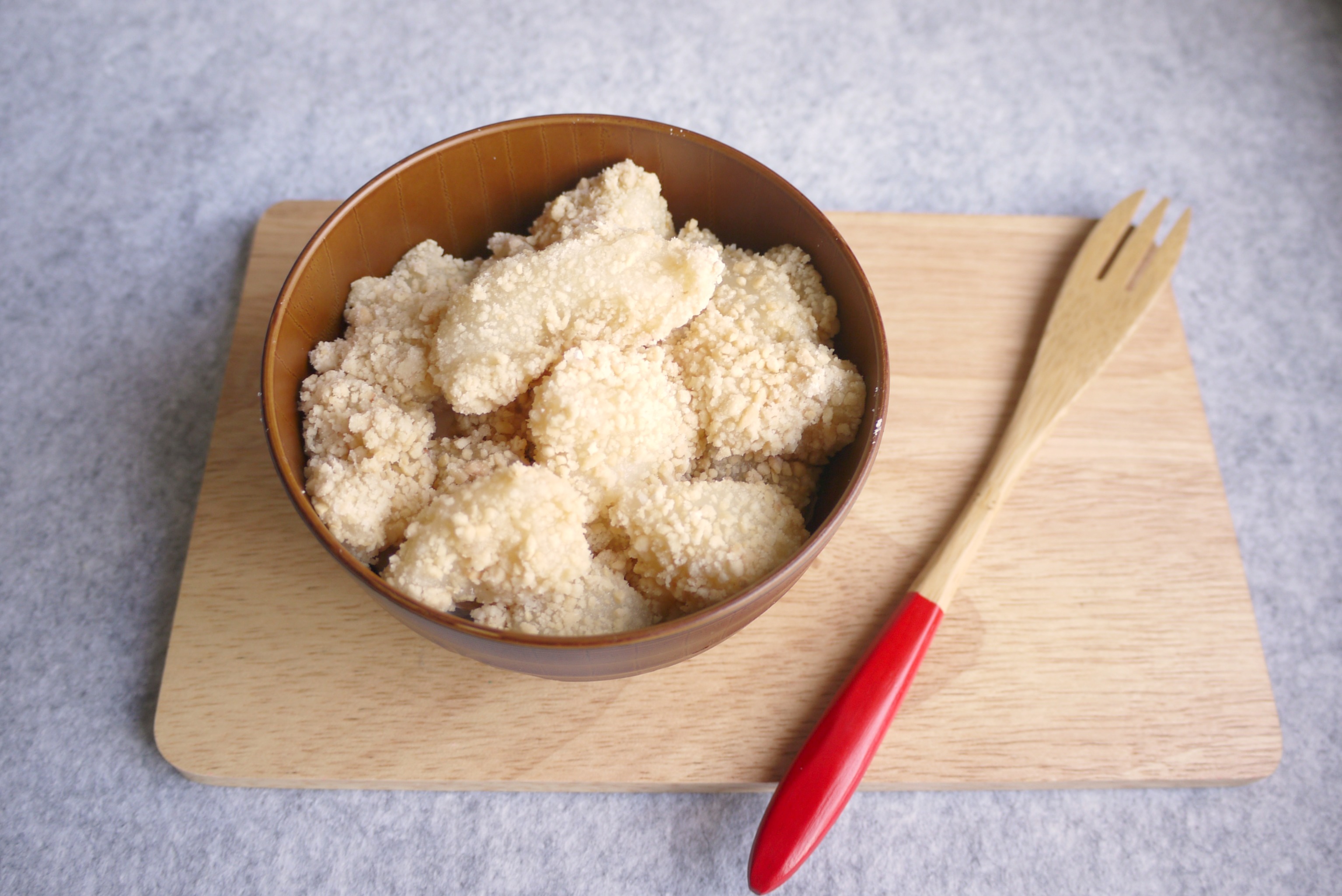
Muah Chee

muahchee003a muahchee009 muahchee008 muahchee005 muahchee006 muahchee007 muahchee001 muahchee002Every time I order muah chee, I wish that the seller would snip off from the white slab, a bigger piece of the steamed glutinous rice cake for me.  But it’s always the same miserable portion, it could have even gotten smaller over the years with inflation, but I’m not sure.

She would then proceed to cut it further into smaller and smaller (and smaller!) pieces, before finally coating them with peanut grounds (Good thing that they are still pretty generous with the peanuts).  All these, packed into the tiniest palm sized clear plastic box, and I am off to enjoy my 2 minutes of heaven.  Yup, that’s how fast I can chomp them down.

My wish for a larger serving, with bigger chunks, was finally granted after I found the numerous Muah Chee recipes online.  There is the Happy Call Pan method, the Microwave method, the Pan Fry method, and finally, the traditional Steamer method, which I adapted below.

Here’s how:

RECIPE : MUAH CHEE
/ Source

____________

For Dough:

200g glutinous rice flour
1 tablespoon shallot oil
2 teaspoons fine sugar
1/2 teaspoon salt
250 ml water

For Peanut Ground Mix:

150g roasted unsalted peanuts
75g fine sugar

____________

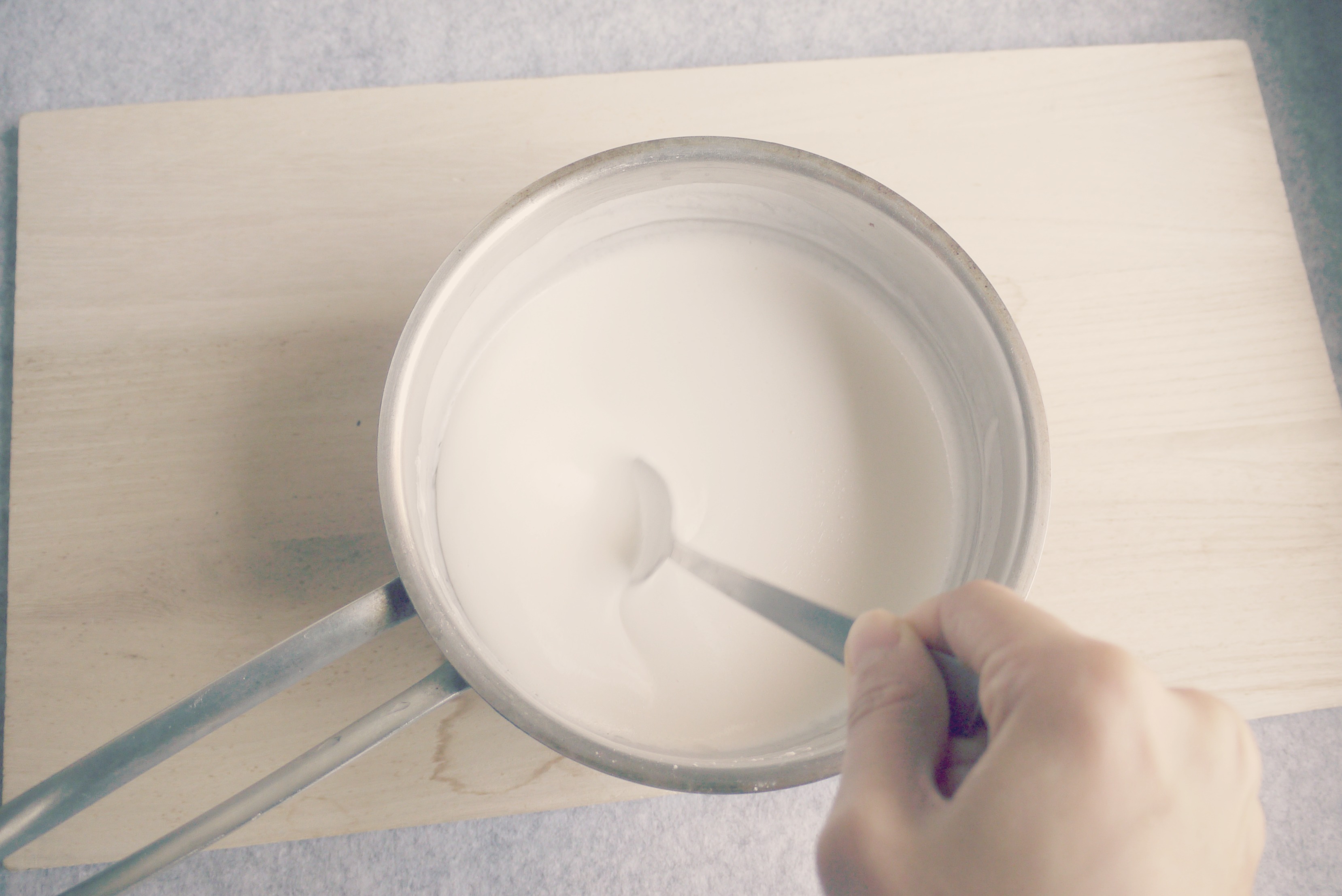
01. Mix the flour, shallot oil, sugar, salt and water in a big mixing bowl.  Stir well to make sure that there are no lumps.

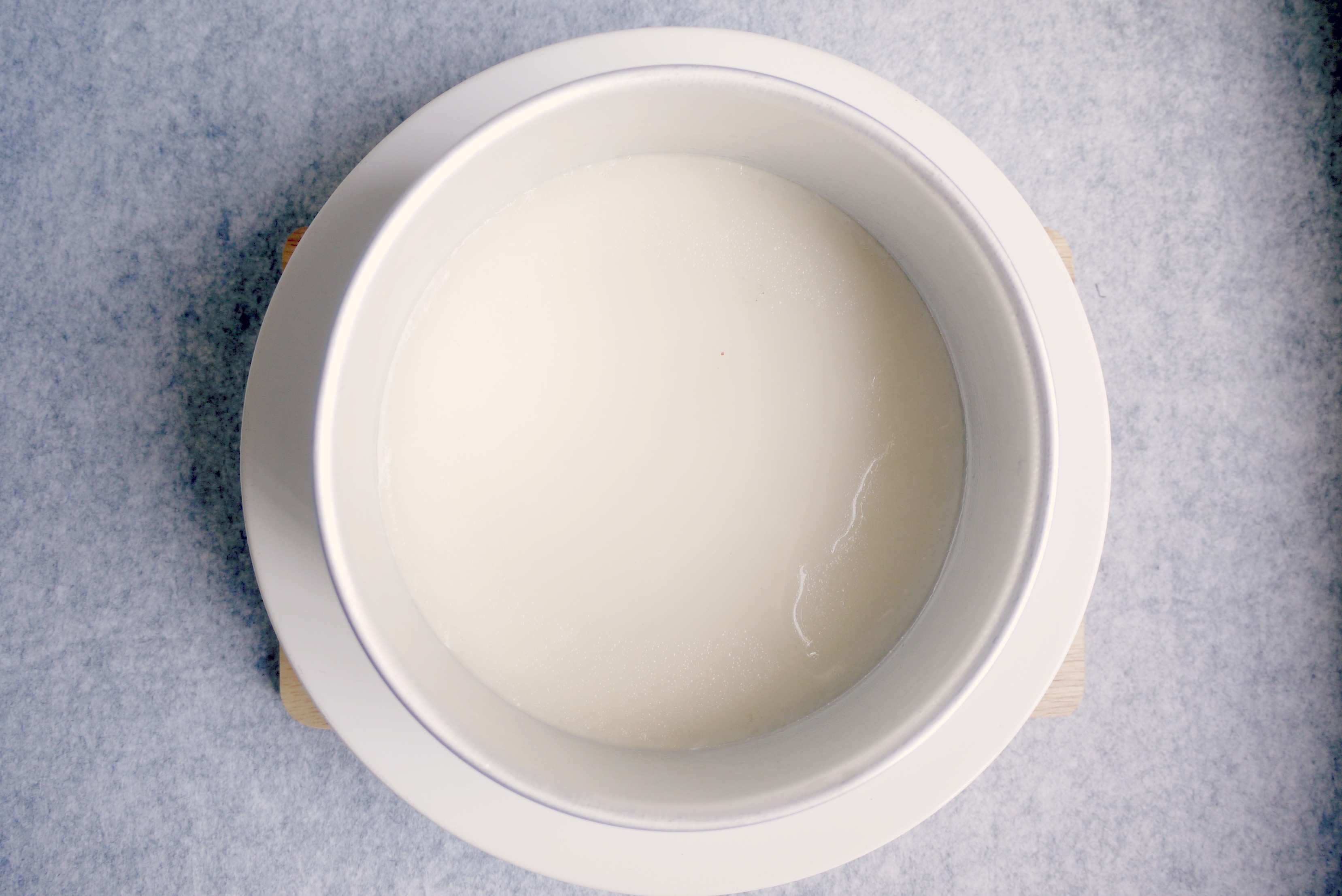
02. Pour mixture into a greased 6 inch pan, steam over medium heat for 25 minutes.

03. Once the mixture is cooked though, brush some shallot oil over the surface, and allow it to cool.

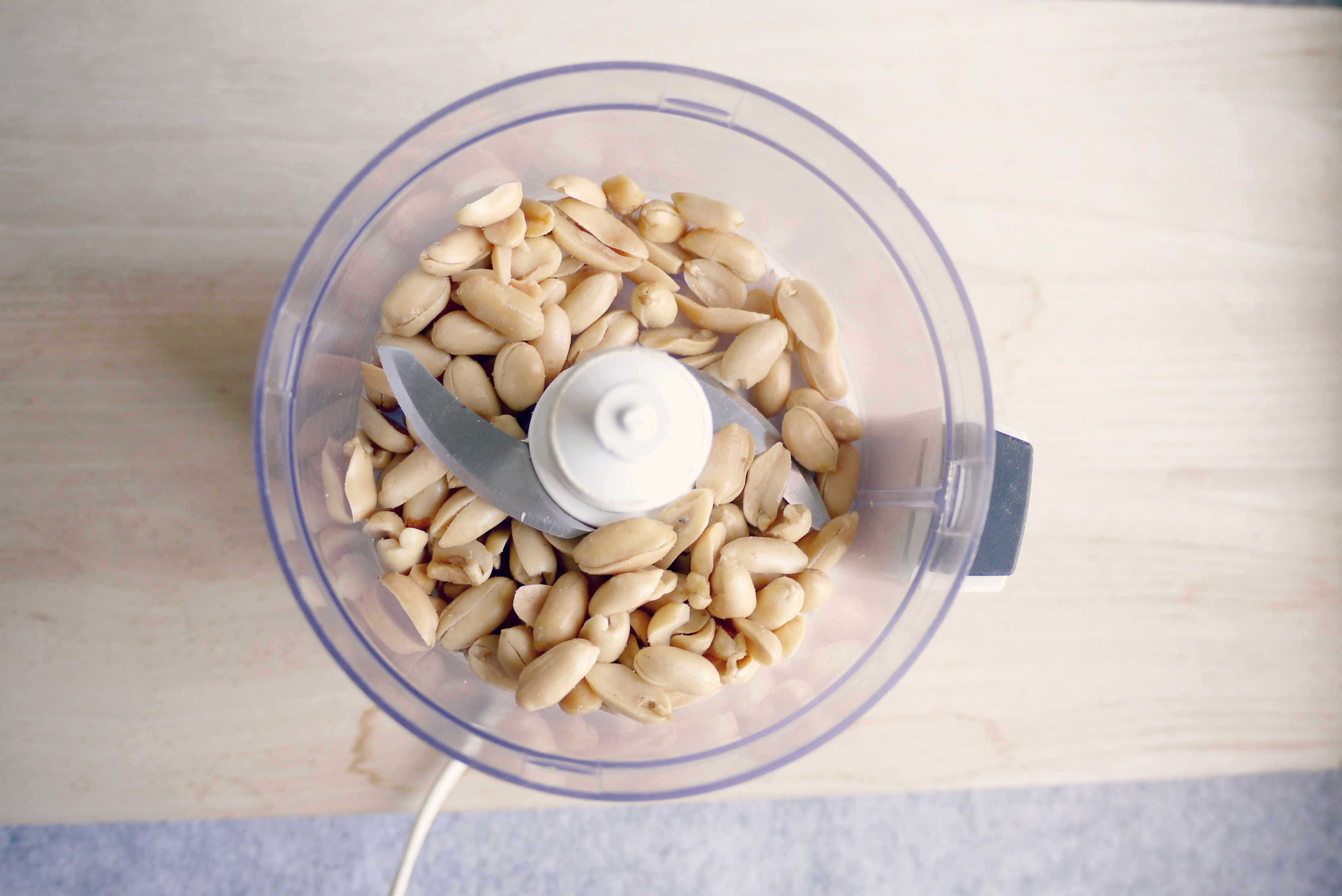
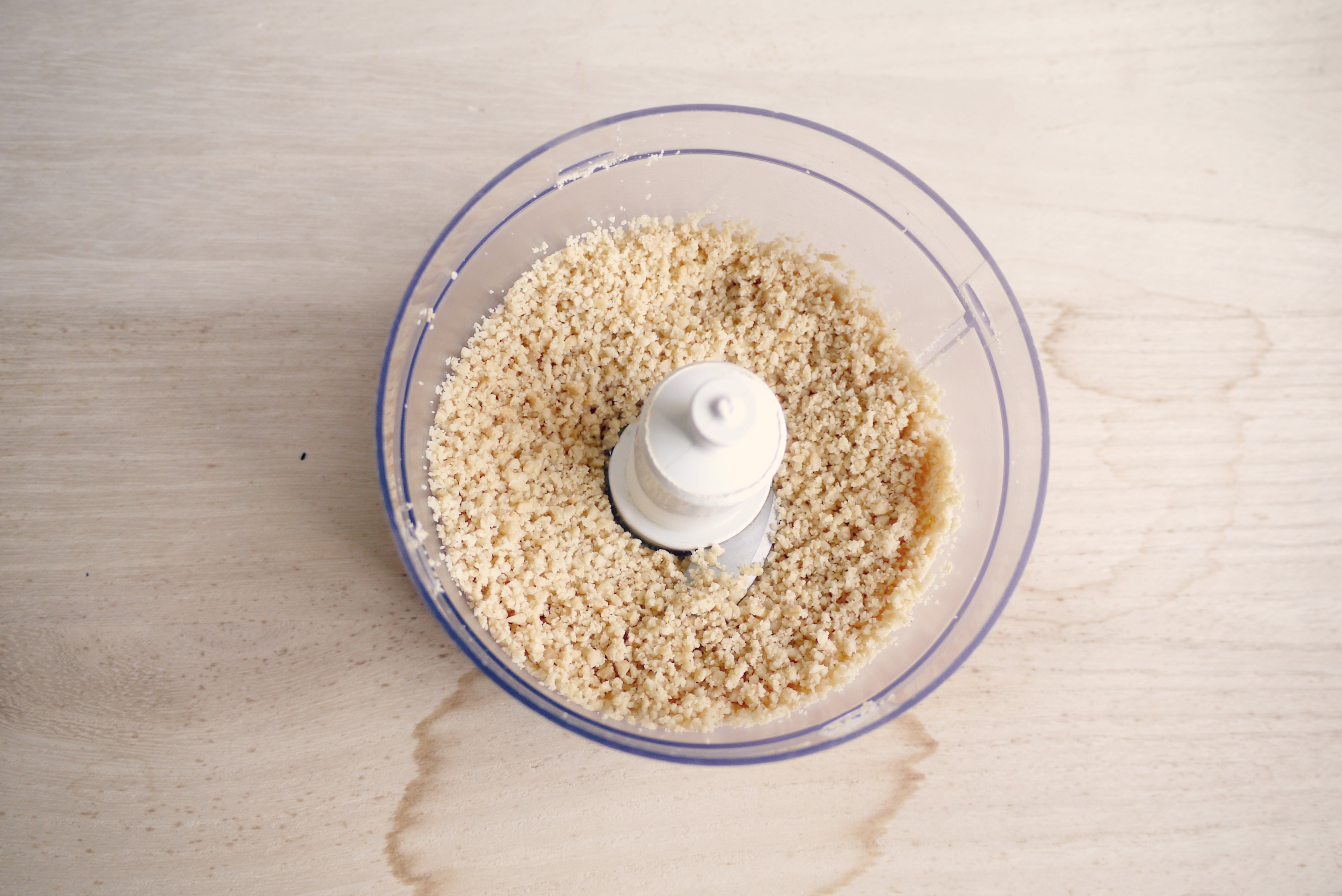
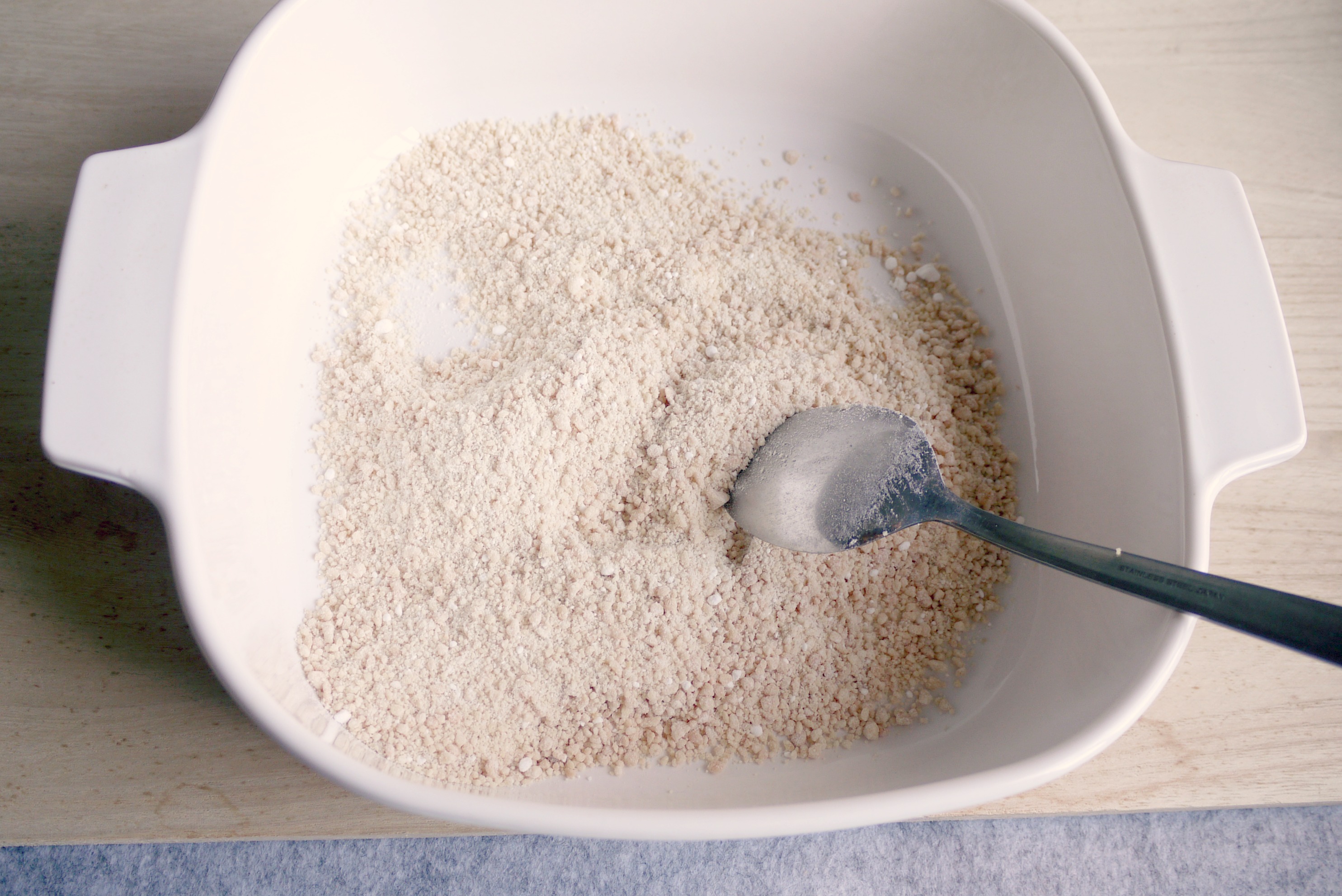
04. Prepare peanut ground mix by blending peanuts and sugar in a food processor.  Do not over blend, or you’ll get peanut butter.  Put this mixture into a food tray/pan.

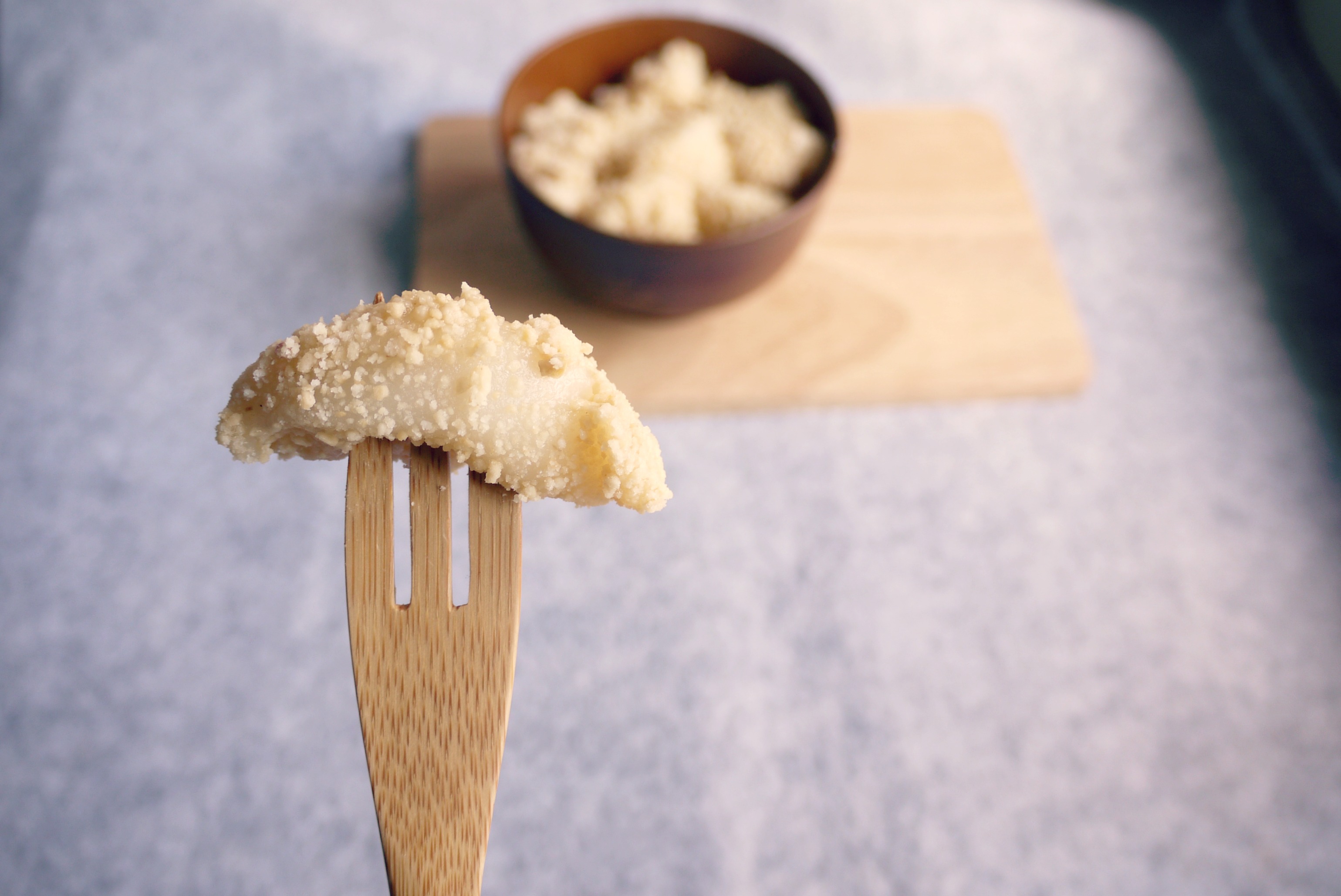
05. Now the fun part.  Cut the cooked dough into bite size pieces with a pair of kitchen scissors, the dough will be sticky.  Place the cut dough bits in the peanut mixture, coat well. Once coated, these tiny morsels won’t be as sticky.  Place on plate, top with more peanut ground mix, serve immediately.

Fried Shallots and Shallot Oil

shallotoil001 shallotoil002

A must in my pantry.  A pot of shallot oil and a container with the crispy fried shallot bits are always at the corner of my kitchen counter.

Too lazy? Drizzle shallot oil with light soy sauce over blanched vegetables to make a simple dish.
Too boring?  Add a few drops over a bowl of clear hot soup, it will smell instantly better.
Too hungry?  Dry tossed egg noodles with shallot oil and kecap manis makes a fast and fulfilling meal, better than eating instant noodles.
It’s also my choice condiment over a plate of steaming hot chee cheong fun (猪肠粉), instead of the sweet sesame sauce that the breakfast stalls usually provide me with.

You can choose to make as much or as little as you want,  simply adjust the quantity of shallots and oil.  Just make sure that the amount of oil used is enough for the sliced shallots to be fully submerged.  If you are a die-hard-shallot-oil-fan like me, have a dedicated small covered pot just for frying shallot oil, and use it as the storage container after preparing.  That’s one less greasy utensil to wash later!

I don’t store the oil and fried shallots in fridge, as some recipes suggested, I find it too troublesome to return the oil to room temperature every time I use it.  I have been leaving them covered in a cool dark corner, this method has been working so far for me.  But try to finish them within one week, that should not be too difficult if you cook everyday, otherwise, keeping them in the fridge might be a safer idea.

FRIED SHALLOT OIL

INGREDIENTS

  • 200g shallots, remove peel and sliced thinly, about 2-3mm
  • Peanut or vegetable oil, enough to cover the sliced shallots

METHOD

01. Set a small pot over high heat, add oil and bring it to hot.  To test oil temperature, drop a shallot slice, oil is ready when it bubbles right away.
02. Add shallot slices, stir occasionally with a pair of wooden chopsticks.  The oil temperature will dip when the shallots are first added, watch for the oil temperature to return to high.
03. Once you notice that the temperature of the oil has returned to high, turn the heat slightly lower, and maintain this gentle sizzle, keep stirring.  Frying the shallots over high heat will shorten the cooking time, but may lead to burnt shallots and a bitter taste in the oil : a no-no.
04. At the first sight of the shallots turning from light purple to light brown –
// A. If you are using the cooking pot as the storage container for the shallot oil : shut down the fire and start to pick out the ones turning golden brown first with chopsticks or slotted spoon (the sizzling/cooking process will still go on even after turning off the heat). Drain them over a plate lined with paper towels.  The shallots will continue to cook even after being scooped out from the oil, and will turn a shade darker after they have cooled down.  Do not wait till them have turned golden/dark brown to drain them from the oil, or they will be burnt by the end of the cooling process.  There will be some shallot bits left at the bottom of the oil with this ‘picking’ method, but I am not too concerned with it; the heat has been turned down long before these bits can become charred.  Treat them as extra bonuses when you scoop them out with the oil!
// B. If you are not using the pot as the storage container : when the shallots has turned golden brown, turn off the heat and strain the hot oil over a clean, dry strainer.  Make sure you use a HEATPROOF container to collect the oil, as it is very hot.  Drain the fried shallots over paper towels to remove excess oil.
06.  Cool fried shallots and shallot oil completely before storing.  Use an air-tight container for fried shallots, crispy ones are very much preferred!