23 Not-So-Plastic Items To Buy From Daiso

Time to bring out your reusable shopping bags, food savers and tumblers for the Plastic-Free July Challenge.

I digged out my not-so-plastic purchases from Daiso over the years to demonstrate how shopping in everyone’s favorite $2 haunt can be just as enjoyable, without going gaga over only the plastic containers, plastic organizing tools, melamine tablewares, and microfibre towels.  I never know I can find jute strings easily here until I saw them in Daiso!

23 Not-So-Plastic Items To Buy From Daiso // Mono + Co

#01 – cotton dish towels that are so soft that I turn them into handkerchieves to replace the use of tissue papers.

23 Not-So-Plastic Items To Buy From Daiso // Mono + Co

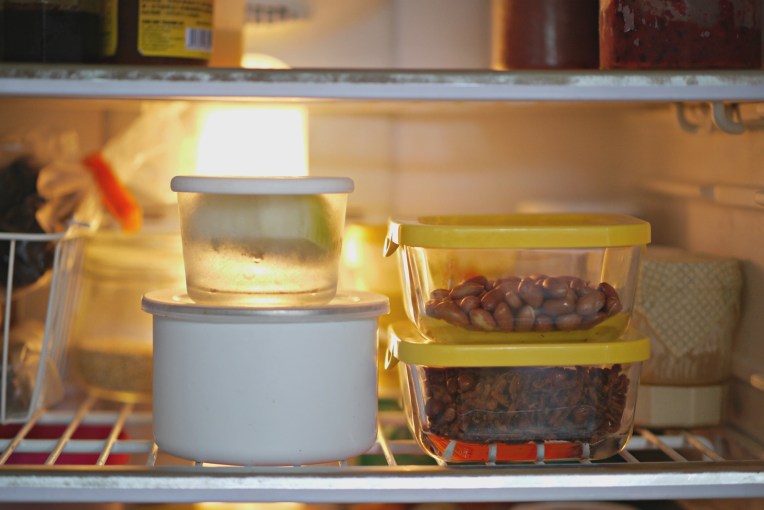
#02, #03, #04 – Three different designs of food savers in glass or enamel material, albeit with plastic lids.

23 Not-So-Plastic Items To Buy From Daiso // Mono + Co

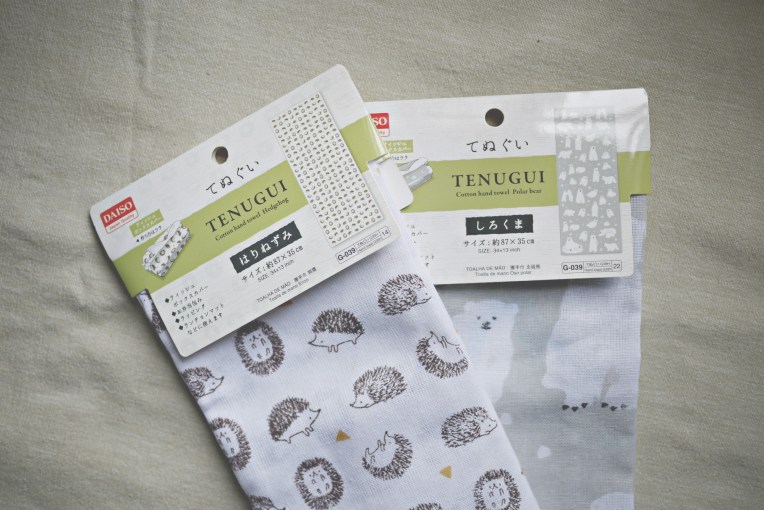
#05 – Japanese Tenugui for anything that requires wrapping.

23 Not-So-Plastic Items To Buy From Daiso // Mono + Co

#06 – drinking mason jar with handle for a yummy smoothie.

23 Not-So-Plastic Items To Buy From Daiso // Mono + Co

#07 – wooden trivets for hot pots.

23 Not-So-Plastic Items To Buy From Daiso // Mono + Co

#08 – natural loofah for smooth skin. I found this without plastic wrappers.

23 Not-So-Plastic Items To Buy From Daiso // Mono + Co

#09, #10, #11, #12, #13 – wooden/bamboo kitchen tools : spoons, chopsticks, forks, spatula, rolling pin.

23 Not-So-Plastic Items To Buy From Daiso // Mono + Co

#14, #15, #16 – paper string (for bundling up newspapers for recycling), jute string (for crafting), butcher’s twine (for cooking).

23 Not-So-Plastic Items To Buy From Daiso // Mono + Co

#17 – these European thin glass drinkwares that I turned into toothbrush mugs.

23 Not-So-Plastic Items To Buy From Daiso // Mono + Co23 Not-So-Plastic Items To Buy From Daiso // Mono + Co

#18 – bakewares that are pretty enough for food to be served in them.

23 Not-So-Plastic Items To Buy From Daiso // Mono + Co

#19 – chawanmushi cups with lids for perfect steamed eggs.

23 Not-So-Plastic Items To Buy From Daiso // Mono + Co

#20 – tea cup for zen moments.

23 Not-So-Plastic Items To Buy From Daiso // Mono + Co

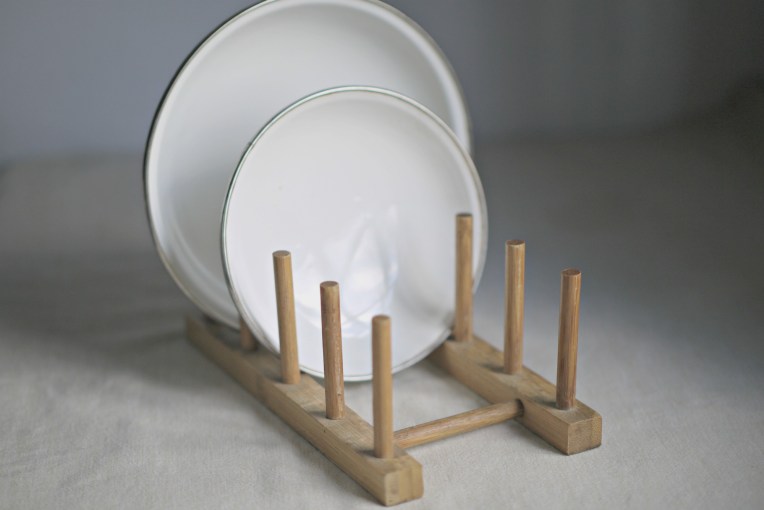
#21 – wooden pot lid holder.

23 Not-So-Plastic Items To Buy From Daiso // Mono + Co

#22 – ceramic plant pot.

23 Not-So-Plastic Items To Buy From Daiso // Mono + Co

#23 – ceramic oil burner for freshening up a room.

I enjoy discovering these non-plastic products as I feel that they give me more value for money since they also tend last longer too, with most in mint condition (except the loofah, of course) when I take good care of them.  What about you? Do you have your favorite non-plastic purchases from your local 100-yen shop too?

Save

Save

Save

Save

Save

Save

Save

Save

Save

Eco-Friendly Traveller : Hong Kong

Hong Kong. No Disneyland. No Ocean Park.

I was there to spend a simple weekend exploring local organic stores and wet markets (surprised that they are air-conditioned), plus trying out meat-free eateries.  All this while sticking to some basic eco-friendly rules that I follow at home, like finishing up my food.

Eco-Friendly Traveller : Hong Kong // Mono + Co

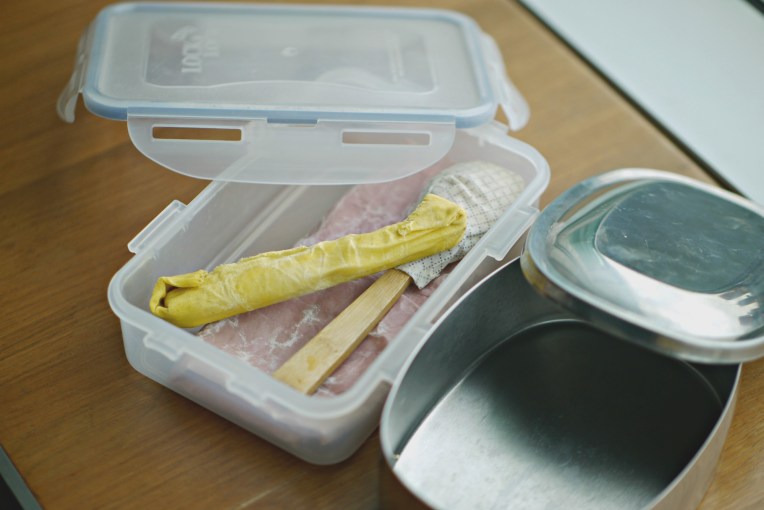
Despite clearing out my fridge before the trip, I still had a leftover peanut pancake which became my first snack in Hong Kong, packed in beeswax wrapper, stow away inside my luggage with other reusables that became really useful during the trip.

Eco-Friendly Traveller : Hong Kong // Mono + Co

I brought along 2 containers.  A plastic version that is airtight and leakproof and a stainless steel version, two of my most compact ones.  Beeswax wrapper in smaller dimension seals my cutlery set in case I need to throw them into my bag when the containers are full, keeping them away from the-whatever-dirt-I-have inside my bag.  These come in handy for street food and bakeries with no seating, think stinky tofu, cream cakes, and egg tarts.  But whenever there is an option to dine in, I will choose so to save the hassle of explaining my “no-disposable” preference.  It’s a great way to immerse oneself in the native atmosphere.  The servers at the Cha-Chaan-Teng are straightforward and loud, and always have an interesting tale or two to share among themselves, nevermind that the shop is full of hearing ears.  However, take note that some eateries will impose a minimum spending amount per head due to Hong Kong’s high rental rates.  Besides food containers, I also brought along a borosilicate glass flask for hot coffee takeaways and of course, my daily drinking water that I boil and cool every night in the hotel room.  If you find bringing these along cumbersome, at least consider foldable reusable bags for shopping, I brought 4.

Eco-Friendly Traveller : Hong Kong // Mono + Co

Packing for a vacation doesn’t mean stuffing the luggage with plenty of disposables,  especially for a short trip like mine.  I simply condense my bathroom routine with multi-purpose products, such as applying the same jojoba oil for face and body or using the same soap for hair and body.  I could easily do without a face mask or scrub for a week, so why bother bringing along?  Sunscreen is a must though.

The first thing I do when I step into a hotel room is to gather all the disposable items and place them outside the bathroom for the chambermaid to know that they can reuse them after we check out.  Even if you don’t use them, leaving them on the bathroom counter will only damage the paper packaging with water splashed from the sink, making them unusable for the next guest.  I usually bring along my outdoor rubber slippers as bedroom slippers after a quick wash.  But if the room is floored with hardwood, I will just go barefoot, making myself feel at home, thus saving a pair of disposable room slippers from the landfill.

Eco-Friendly Traveller : Hong Kong // Mono + Co

Public transport in Hong Kong is famous for its efficiency.  MTR stations are super accessible, with numerous exits leading to the various destinations.  But I have view watching in mind, so I boarded one of the 11 airport bus routes that depart from the terminal to my accommodation that lies along the route.

Eco-Friendly Traveller : Hong Kong // Mono + Co

Google map has also totally changed my public transport experience in a foreign city, allowing me to explore further, connecting the dots with buses, minibuses, even the 100-year-old tramlines are also included in the Google routes.  No longer are itineraries limited to just popular touristy spots or places near MTR stations.  Precious amount of travelling time is saved by choosing the “fastest route”.

Eco-Friendly Traveller : Hong Kong // Mono + Co

But we can always choose to go the slower way, such as purposely taking a stroll along the street even though a bus will take us there in 5 minutes.  There are plenty of things to see in the neighbourhoods, unlike the cookie-cutter malls.

Some of the daily mundane that caught my eyes:

Eco-Friendly Traveller : Hong Kong // Mono + Co

// public road for everyone

Eco-Friendly Traveller : Hong Kong // Mono + Co

// store with memories

Eco-Friendly Traveller : Hong Kong // Mono + Co

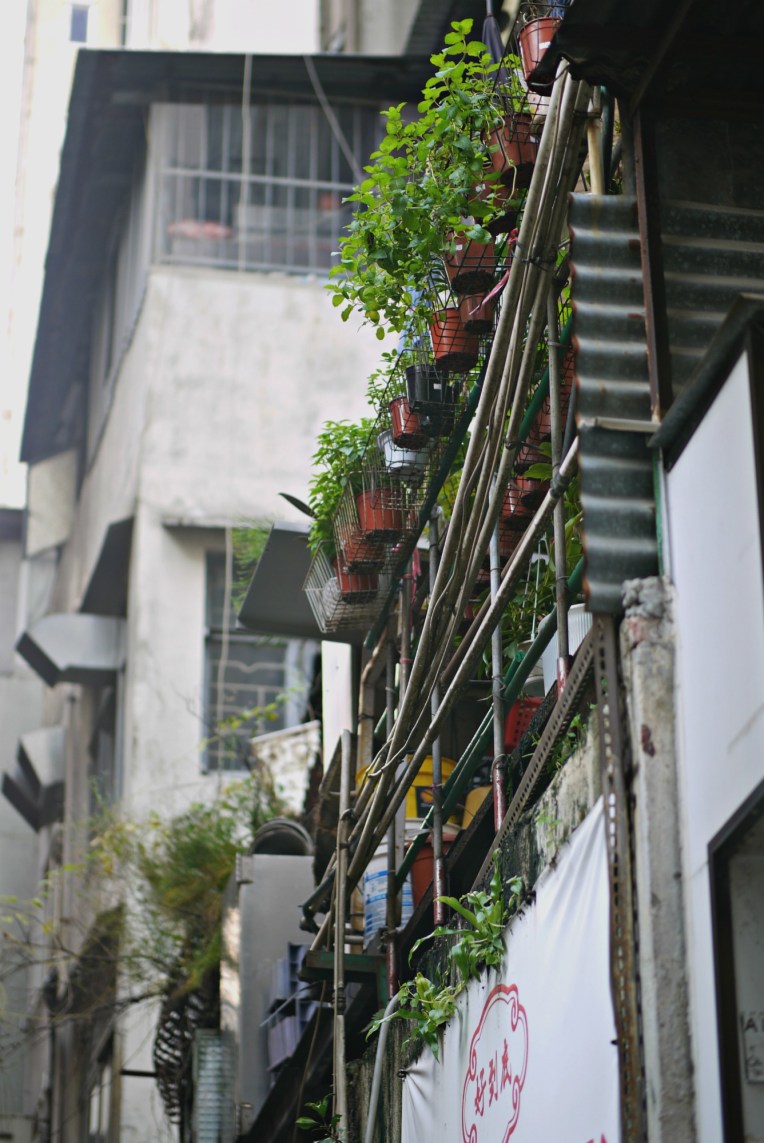
// creating own’s patch of greenery with limited space

Eco-Friendly Traveller : Hong Kong // Mono + Co

// or leave it to nature

Eco-Friendly Traveller : Hong Kong // Mono + Co

// rag-and-bone man, keeping useful items in the loop

Eco-Friendly Traveller : Hong Kong // Mono + Co

// the usual recyclables in demand

Eco-Friendly Traveller : Hong Kong // Mono + Co

// packaging-lite shopping

Eco-Friendly Traveller : Hong Kong // Mono + Co

// wrapped by nature

Eco-Friendly Traveller : Hong Kong // Mono + Co

// cellophane-free vegetables

Eco-Friendly Traveller : Hong Kong // Mono + Co

// local organic vs imported premium

Eco-Friendly Traveller : Hong Kong // Mono + Co

// “it’s more tiring to cook at home”, a reason for take-outs in this fast-paced city

Eco-Friendly Traveller : Hong Kong // Mono + Co

// even places of worship can conduct workshops on environmental issues, overheard at the Wong Tai Sin temple announced over their PA system

Eco-Friendly Traveller : Hong Kong // Mono + Co

// every effort counts, an eco-reminder spotted in a local market: “today let’s save the earth together. tomorrow will be a better day for us.”

Turns out that Hong Kong has plenty of recycling bins dotting around the island.  They are never too far away from you to drop your recyclables.  I started counting recycling bins around me while waiting at the airport.  They are in such abundance that at a particular vantage point, I could spot 3!

Eco-Friendly Traveller : Hong Kong // Mono + Co

// a reminder that you are contributing to the landfill, rubbish don’t just poof and disappear

Eco-Friendly Traveller : Hong Kong // Mono + Co

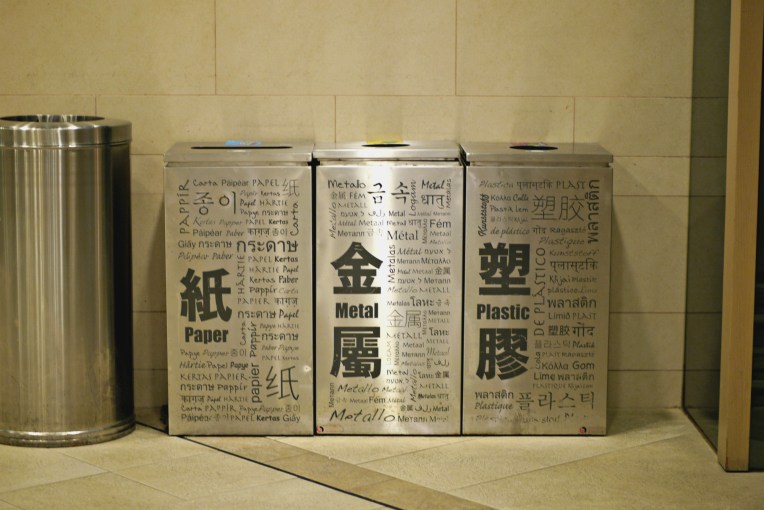
// no language barrier. no excuse!

Eco-Friendly Traveller : Hong Kong // Mono + Co

// recycling bins next to garbage bins to make you think twice.

Eco-Friendly Traveller : Hong Kong // Mono + Co

// see through ones

Eco-Friendly Traveller : Hong Kong // Mono + Co

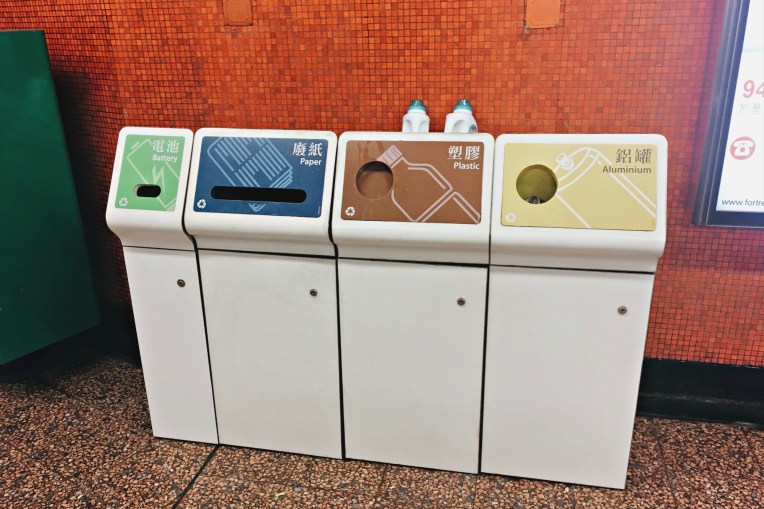
// batteries included

Eco-Friendly Traveller : Hong Kong // Mono + Co

// slot for papers only, so you can’t sneak in your plastic bottles

At the end of my trip, I still ended up with some non-recyclable plastic rubbish, though I am sure that I have saved more waste than I have created as a result of being a mindful consumer.  I understand that the environmental problems won’t go away immediately after I reject a plastic shopping bag.  But the key point is to at least try, isn’t it?  Any more tips from experienced eco-travellers?

Save

Save

Save

Save

Save

Save

Save

Save

Save

Save

Save

Save

Save

Save

Save

Save

Save

Save

Green Monday : DIY Cotton Ironing Board Cover (No-Sew)

Green Monday : DIY Cotton Ironing Board Cover (No-Sew) // Mono + Co

Sometimes, synthetic materials are so ubiquitous in our lives that I often overlook simpler/ natural alternatives until I ask myself if a DIY avenue is possible.  For all the countless ironing board covers that I have been replacing over the years, I always blindly pick one from the shelf pondering over only the size and pattern design but never the material composition.  There wasn’t much choices available at the supermarket where I usually buy my covers from and technology all seems to be pointing towards a shinier and easier-to-glide surface for a perfect press anyway.

Green Monday : DIY Cotton Ironing Board Cover (No-Sew) // Mono + Co

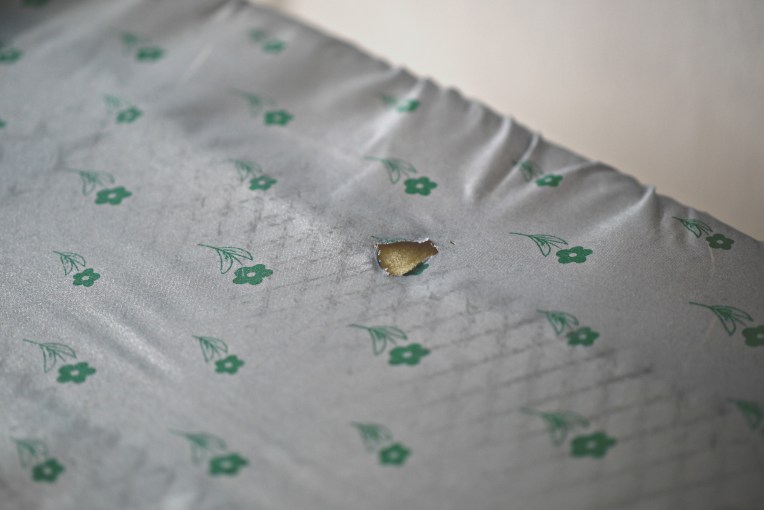
When the latest cover accidently got burnt by a wrong temperature setting (note to self: focus!) and let off a plasticky whiff, I started wondering if I should seek a better cover made of a thicker material with a higher heat resistance level.  I started recalling how my mom used to make us do our ironing seated on the floor without an iron board.  What lies underneath the garment is just a huge piece of heavy cotton canvas that has been folded multiple times to create a thick pad.  And after we were done, the canvas was stowed away nicely in the wardrobe, unlike the modern bulky standing iron board that sticks out like a sore thumb propped against one side of my bedroom wall.  I don’t intend to discard my ironing board since I have grown accustomed to doing my ironing while standing, but this brief reminiscence reminded me of a piece of cotton cloth that could be perfect for this DIY.

Green Monday : DIY Cotton Ironing Board Cover (No-Sew) // Mono + Co

The cotton cloth fits the dimension of the ironing board nicely, but I wasn’t in the mood to sew this by hand, yet.  Instead, I retain the damaged cover (a temporary pad since I find the cotton not thick enough) and start manoeuvring the cloth around to wrap the cover and the ironing board.  If you can make your own bed or wrap a present neatly, this should not be difficult.

Green Monday : DIY Cotton Ironing Board Cover (No-Sew) // Mono + Co Green Monday : DIY Cotton Ironing Board Cover (No-Sew) // Mono + Co Green Monday : DIY Cotton Ironing Board Cover (No-Sew) // Mono + Co

When it comes to the narrowest end of the ironing board, I can’t tuck in all the excess fabric without obstructing the folding parts of the the board for storage.  Instead, I used a hair tie to gather the bulk end tightly to keep this part of the board tapered and neatly so that the cover doesn’t move around when ironing.

Green Monday : DIY Cotton Ironing Board Cover (No-Sew) // Mono + Co  Green Monday : DIY Cotton Ironing Board Cover (No-Sew) // Mono + Co

I am working on part 2 of this DIY : finding a suitable padding material and putting everything together, sewn by hand. But if you are lucky enough to own a sewing machine, here are few links that will be useful:

Craftsy blog

The 36th Avenue

My Plastic Free Life

The Spruce

Save

Save

Save

Save

Save

Save

Green Monday : DIY Bath/Foot Soak

Green Monday : DIY Bath/Foot Soak // Mono + Co

After a while, the habit of reading food ingredient label will automatically extend to the body care product section.  With more beauty trends focusing on naturally derived ingredients, I also started making some for my own use with very basic recipes starting with bath and body products.  It’s tempting to stock up on a variety of ingredients to keep up with the huge range of diy bath product recipes available online, but I am determined to stick to what I already have.  Apart from a few types of essential oils, sweet almond oil, and castile soap that I bought last year (Yes! All these lasted me that long!), I got the rest from my kitchen pantry: honey, baking soda, raw sugar, sea salt, coconut oil, oatmeal, apple cider vinegar, etc.  I am very tempted to buy some bentonite clay, but that will probably have to wait until I finish up my jar of store-bought clay mask.

I always tell my friends that they will get a lot more bang for their buck if they make home spa products at home.  Since I am making these products for my own use, chance are I will be super generous with the key ingredients such as honey or olive oil, food grade, no less and sometimes even organic.

I made this “Rosebuds + Himalayan Pink Salt + Epsom Salt” bath soak for a recent vacation and like it so much that I made more back home as a foot soak since I don’t have a bathtub. For this soak, I used a mix of Epsom salt and Himalayan salt, with more of the latter since it is the cheaper of the two.  The rose buds from floral tea section were honestly more for aesthetics purpose, to have an entire bathtub of water smell like rose tea, I will need way more than the 30+ buds that I have added here.  If you have a favorite essential oil that you like, add a few drops of that instead.  The addition of rosebuds is a nice touch if this is put together as a gift.

Green Monday : DIY Bath/Foot Soak // Mono + Co

This 300g bottle of bath/foot soak took me less than 5 minute to diy and cost less me than $2.  Make one for your regular home spa treat, or pack this in your luggage to soothe your aching muscles at the end of the day!

Here are some interesting links that I referred to when I decided on the Epsom and Himalayan salt mix, with some common precaution to note when taking bath soak:

// 2-salt combo mentioned here, here and here as a detox bath

// a pretty gift idea

// Epsom salt with baking soda, also for detox

// precautionary notes here state that Epsom salt are not recommended for patients with high blood pressure or severe varicose veins

// benefits of Epsom salt, and Epsom salt baths here

// or detox with just Himalayan salt

Save

Save

Save

Save

Save

Save

Save

Save

Save

Save

Save

Save

Green Monday : 327 Days Cotton Tote

Green Monday : 327 Days Cotton Tote // Mono + Co Green Monday : 327 Days Cotton Tote // Mono + Co

Being attractively simple in design, like a blank canvas, there is no lack of cotton tote bags with creative designs for sale in the market.  In fact, cotton tote bags are also popular as corporate gifts and event goodie bags.  So is it better for the environment with more people buying and switching to cotton bags?  It depends.  According to a study by UKEA, a cotton tote bag is more environmentally friendly than a plastic bag only if you use it more than 327 times, given that the carbon footprint emitted by the manufacturing process of a cotton tote is significantly higher than that of a plastic bag.  This means that even if I use the cotton bags every weekend for shopping, that is still only 104 uses/days in a year.  More than 3 years of uninterrupted weekend usage is required before the carbon footprint of the tote bag production can be offset and made comparable to a HDPE plastic bag.  I am not sure if the cotton bags can last that long, but as this article readily pointed out, the ironical thing about cotton totes is that ‘people don’t actually use them.’

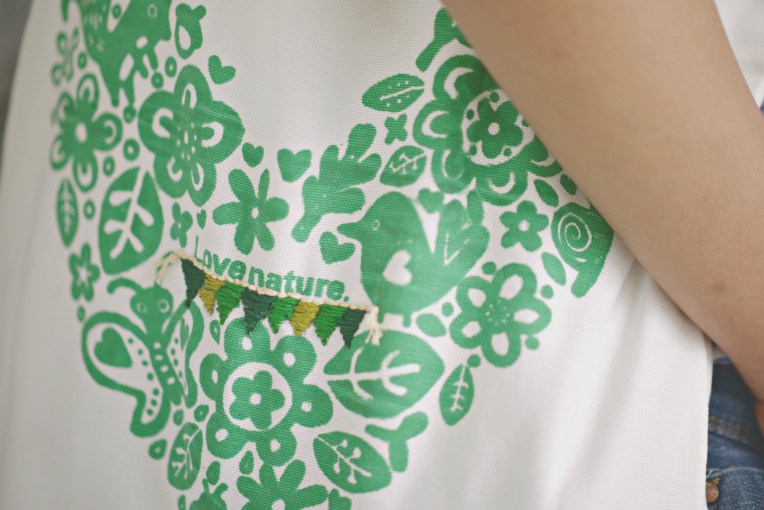
Besides having quite a few that I use regularly for grocery shoppings, I also try to use the well-made cotton tote bags stamped with corporate logos more often than they sit in the storeroom.  This can be done by jazzing them up a little to look slightly less like a freebie and more like something from Etsy, with a few embroidery stitches here and some embellishments there.

Cotton tote bags function really well as a weekend carryall tote if you are blessed with a perfect size one like these below.  Luckily, this makeover project is not too tedious given the subtlety of the corporate logo.  I’m sure you can tell where the company logo used to be.  And I managed to keep the rest of the original silkscreen motifs intact which I like very much.  And off they go towards 327 days of usage, hopefully, more.

Green Monday : 327 Days Cotton Tote // Mono + CoGreen Monday : 327 Days Cotton Tote // Mono + CoGreen Monday : 327 Days Cotton Tote // Mono + CoGreen Monday : 327 Days Cotton Tote // Mono + CoGreen Monday : 327 Days Cotton Tote // Mono + Co

Save

Save

Save

Save

Save

Save

Save

Save

Save

Save

Save

Save

Save

Save

Save

Save

Save

Green Monday : DIY Eco Enzyme For Cleaning

Green Monday : DIY Eco Enzyme For Cleaning // Mono + Co

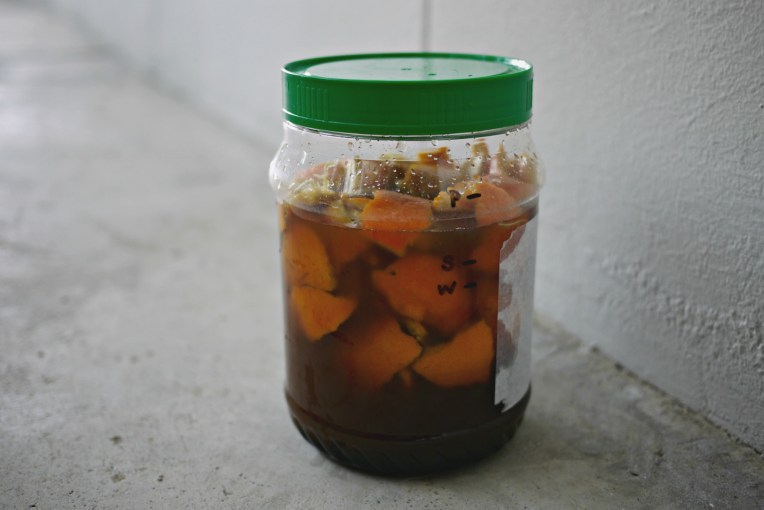
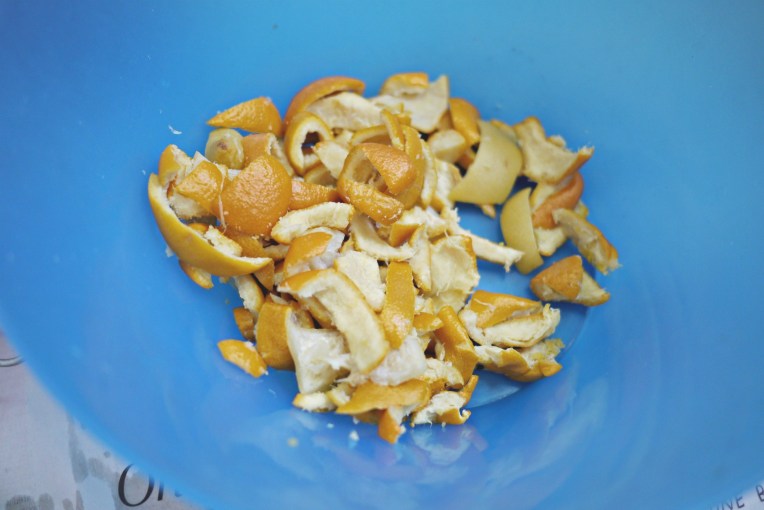
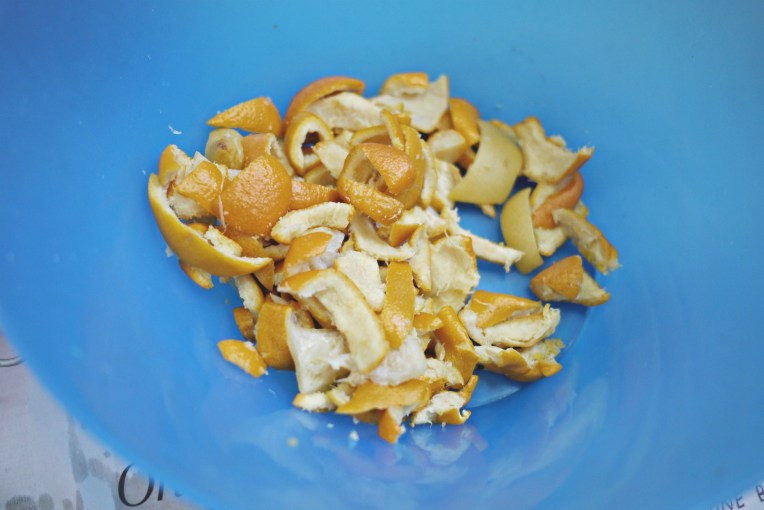
I started making Eco enzyme during Chinese New Year when I cumulated quite a lot of mandarin orange peels.  Eco enzyme is a mixture of 3 ingredients: fresh fruit or vegetable scraps, sugar, and water that goes through 3 months of fermentation and then turns into a vinegar based eco detergent that has many uses around the household.  While finding out how Eco Enzyme works, I read that the term eco enzyme is more of a “colloquial term” than a real enzyme product.

The real enzyme is probably what Tampines estate is using to kill their cockroaches when they recently announced that they will be going the enzyme route as a more effective form of pest control treatment, after a month-long trial last year showed positive results.  I had to admit that I cringed a little when I saw the reporter licking off the enzyme solution from her finger to show that it is edible and completely safe.  Then again, how I wish that everything we wash down our drain should be as safe as this. I always thought that for a population that counts a small part of our drinking water from reclaimed sewage water, we should be more wary of the chemicals that we wash down our drains.  But of course, the water treatment technology is more sophisticated and advanced that I think.  Still, I prefer less harsh chemical detergents around the house, and even better, make one on our own with ingredients that we know are safe.

The Eco enzyme I made is not for consumption purpose.  And there are only 3 steps.  The initial time spent on mixing the ingredients takes less than 5 minutes, then we leave the rest to Science to break down the scraps and turn it into an environmentally friendly household cleaning solution.  Here’s how:

Step 1 : Gather a plastic container with a lid, fresh vegetable and fruit scraps, black or brown jaggery sugar, and water.

Step 2 : Fill up the container with 10 parts water, stir and dilute 1 part sugar, then top with 3 parts of fruit peels and vegetable scraps and stir again to mix well.  Leave enough gap in the covered container for air to expand during the fermentation process.  Cover the container, keep it slightly loose, not screwed too tightly and leave this in a cool area away from the sun for 3 months.

Step 3 : Filter to extract liquid enzyme.  I use a coffee filter bag with wire handle for this job.  Store the Eco enzyme in plastic bottles and dilute according to usage.  The residue that has been filtered out are useful as plant fertilizer.

After reading up, making and applying the Eco enzyme in household cleaning, following are some tips and links that I have penned down/bookmarked during my DIY Eco enzyme journey and hope that you will find it useful as well.

Green Monday : DIY Eco Enzyme For Cleaning // Mono + Co

+ Why plastic container?

Gas will build up during the fermentation process might cause a glass container to explode.  Even though plastic ones are safer, always leave a gap inside the container when filling up the ingredients.  Also, for the first month, open the cover to let build up gas escape every day when fermentation is most active.  On certain days, I can even hear a fizzing sound of air escaping as I  unscrew to open the lid.  After 1 month, check on the eco enzyme once a month.  Stir the solution to keep everything well mixed once a while.

+ Any preferred vegetables or fruits to use?

Citrus based fruit peels make the best smelling eco enzyme.  For my first batch, I added 100% mandarin orange peels.  Later I learned that one of the benefits of making Eco enzyme is to reduce the amount of kitchen waste sent to landfills.  Since scraps like vegetable roots, peels, yellowish leaves are unavoidable, turning them into Eco enzyme instead of throwing them away is a great way to reuse them. I have since been following a 70% fruit to 30% vegetable scrap ratio to keep my final Eco enzyme smelling good and to do my part to ease the landfill load.  However, only fresh scraps can be used.  Do not include cooked leftover vegetable scraps that are uneaten.

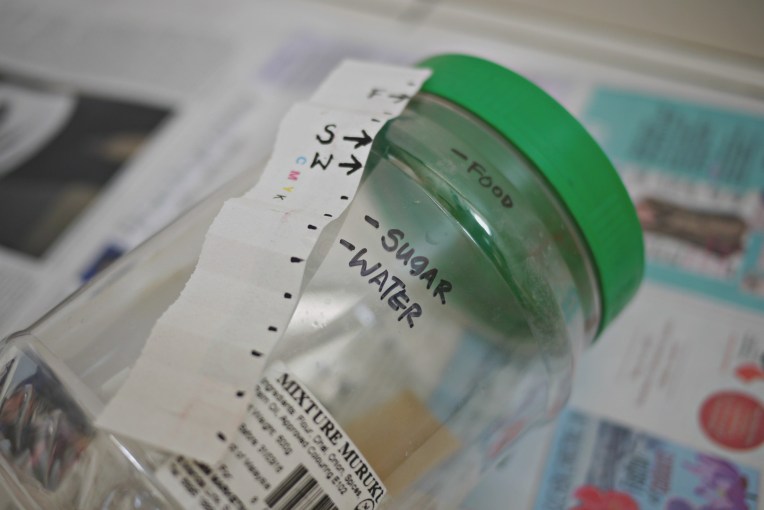
+ What are those marking on your container?

That is a method I learned from a DIY workshop ran by this group mentioned in this article to measure the ingredients required for a batch of Eco enzyme without a weighing scale.

Green Monday : DIY Eco Enzyme For Cleaning // Mono + Co

Firstly, cut out a strip of thin paper as long as the height of your container without the lid, I always use the newspaper since it is thin enough for me to do multiple folds.

Green Monday : DIY Eco Enzyme For Cleaning // Mono + Co

Next, fold it into halves 4 times, so that when you unfold the paper, you get 16 equal parts.

Green Monday : DIY Eco Enzyme For Cleaning // Mono + Co

Mark the paper according to the recipe, with 10 parts for water, 1 part for sugar and 3 parts for fruit/vegetable scraps, leaving the remaining 2 parts for an air gap.

Green Monday : DIY Eco Enzyme For Cleaning // Mono + Co

Trace the marks onto the bottle.

Green Monday : DIY Eco Enzyme For Cleaning // Mono + Co Green Monday : DIY Eco Enzyme For Cleaning // Mono + Co

Then I add the ingredients in this order: 1. pour water till it reaches the marked “water” level, 2. add sugar until it displaces the water to reach the level marked “sugar”, and finally 3. drop fruit peels and vegetable scraps till the liquid level reaches “food”.  Give it a good mix and cover.

+ How does the end product look like?

It should be brownish with a pleasant citrus vinegar aroma.  Filter with a cloth bag to retrieve just the liquid portion and store the Eco enzyme in plastic bottles.

Green Monday : DIY Eco Enzyme For Cleaning // Mono + CoGreen Monday : DIY Eco Enzyme For Cleaning // Mono + CoGreen Monday : DIY Eco Enzyme For Cleaning // Mono + CoGreen Monday : DIY Eco Enzyme For Cleaning // Mono + Co

+ How do you use the Eco enzyme?

I have just harvested my initial batch that yields fewer than 2 litres, too precious to be used nonchalantly.  I am currently using it to mop the floor, cleaning the kitchen counter and as fertilizer for my plants.  This is a list of household uses and dilution instructions for Eco enzyme which I find will come in handy when my next few containers reach their 3-month fermentation target.

Green Monday : DIY Eco Enzyme For Cleaning // Mono + Co

Anyone with experience to chip in more?  I find myself barely scratching the surface.  I am lucky that my first few containers fermented without a hitch.  Nothing rot. No terrible smells.  Will update as I go along if there is anything worth a mention, both making and using it.

Save

Save

Save

Save

Save

Save

Save

Save

Save

Save

Save

Save

Save

Save

Save

Save

Green Monday X Simple Pleasures

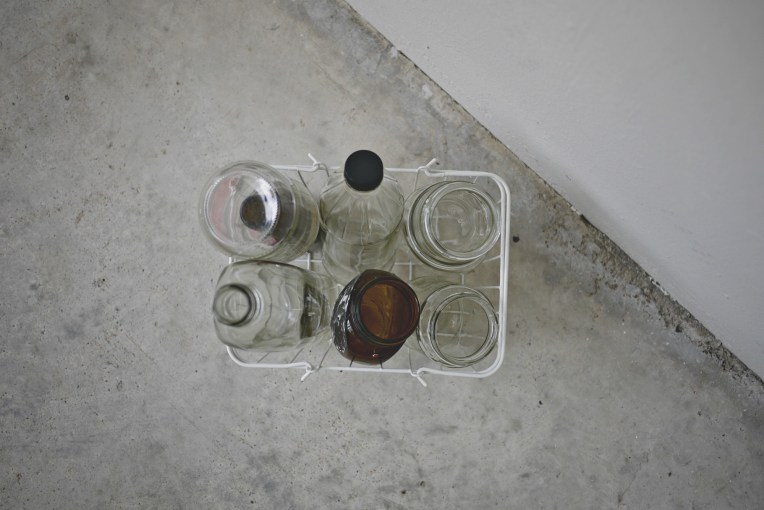
// My reusable glass jars and bottles, all clean and shiny.

// A matching pair for storing evaporated milk and condensed milk.

// A perfect fit, albeit after chomping 4 biscuits from a new pack.  Because I don’t want something that takes up more pantry space than the pack of biscuits needs.

// harvesting my first batch of eco enzyme.

// because mending makes clothing last longer, so I am teaching my kids how to sew a few simple stitches.

Save

Green Monday : Grocery Shopping

Green Monday : Grocery Shopping // Mono + Co

I visit the supermarket mainly for chilled/frozen items, stuff that I cannot get from the wet market.  Last Monday, I experimented with shopping a day’s worth of meatless grocery at the supermarket to get food items with as little packaging waste as possible.  Armed a few small cotton produce bags (road test!) and just ONE reusable shopping bag – a method I adopt very often to avoid over-purchase/impulse purchase, I headed to the nearest supermarket that carries a wide range of fresh produce and here are the items + packaging waste I bought.

+ Fresh vegetables

Nowadays, almost every type leafy vegetable is bagged in crisp clear plastic bags for a more convenient checkout process.  When it comes to vegetables like brinjals, gourds, cabbages, peas, lady fingers, asparagus, and taro, I found them individually wrapped with plastic cling film at some supermarkets.  Some items like chilies and long beans even come with an additional styrofoam tray.

The stall holders at the wet market bag some of the vegetables after weighing so I can tell the “cashiers” in advance that I do not require their plastic bags, and offer 1) my cotton bags or 2) request to wrap them in newspapers instead.  I usually avoid getting those that are already bagged, or I visit the market really early to “catch” these vegetables before they are being packaged.  And cabbages, cauliflowers, and radish are never shrink-wrapped at the wet markets.  I could thus avoid most of the plastic packaging waste when I shop there.

There is only one aisle with open crates of broccoli, carrots, tomatoes and capsicums (yes, only these 4) greeting me warmly with their bright colors sans any plastic packaging, so I bought all four varieties.

Packaging waste count: As these vegetables are sold by weight, I ended up still having their price labels (and receipt) as trash.

Green Monday : Grocery Shopping // Mono + Co

+ Potatoes

Green Monday : Grocery Shopping // Mono + Co

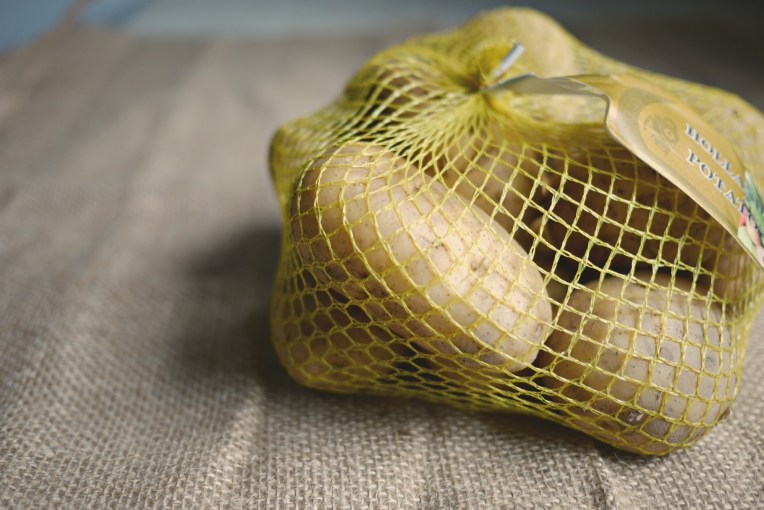
Only Holland potatoes and Russet potatoes come in these mesh bags that I like to reuse.  The rest are packaged in plastic bags.  So I got the Holland potatoes.  At the wet market, I usually buy about 5 each trip as they are sold in bulk.  I hope I can finish these up before they start to sprout and shrivel and end up as food waste.

Packaging waste count: The mesh bag can be reused, this becomes handy when buying root vegetables or shiitake mushrooms at the wet market so that the stall owner doesn’t have deduct the weight of my self-brought container since these bags are very light.  The plastic item tag was unfortunately trashed.

+ Mushrooms
Green Monday : Grocery Shopping // Mono + Co

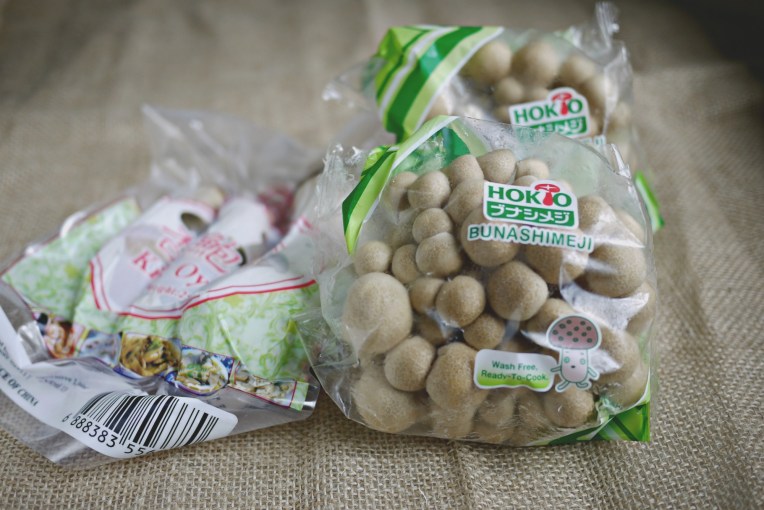
Other than fresh shiitake mushrooms that I buy and store in my reusable covered containers, I almost can’t find other types of mushroom that do not come with plastic packaging.  I say almost, because I have seen brown and white button mushrooms sold in bulk occasionally.  Since I usually get pre-packed Erynjii and Shimeji mushrooms from the wet market as well, I stick to these varieties instead of shiitake that are packed in plastic bags at the supermarket.

Packaging waste count: plastic bags, same outcome if I were to shop at the wet markets.

+ Flour
Green Monday : Grocery Shopping // Mono + Co

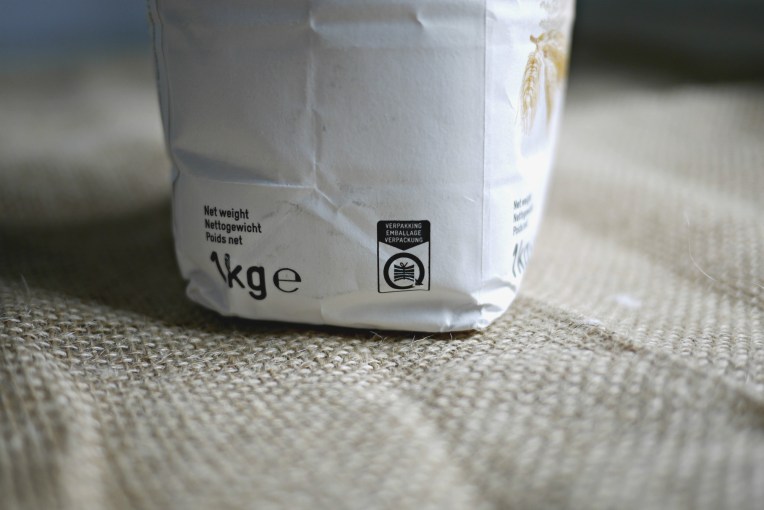
I get white flour sold in bulk at the dried goods store.  While the supermarket does not carry flour in bulk, I found this brand packed in a paper bag that can be recycled.

Packaging waste count: None.

+ Pasta

Green Monday : Grocery Shopping // Mono + Co

Since I buy pasta from supermarket all the time, I went straight for the one that is packaged in a paper box.

Packaging waste count: a small plastic sheet that made up a see-through window on the cover of the box.

+ Freezer /Processed foods

Green Monday : Grocery Shopping // Mono + Co

Processed foods come with plenty of packaging trash.  With home cooked meals 80% of the time in my family, I will be lying if I say I don’t use any kind of processed food to help in my cooking.  Condiments, ready-made sauces, and vegetarian’s favorites such as seaweed sheets, kelp, fried bean stick, tempeh, and fried tau pok, ingredients I use all the time come with some form of plastic packaging.  Not to mention common items like sugar and salt also come in plastic bags.

To counter the build up of non-recyclable processed food packaging waste at home, I stick to the obvious solution of buying these in recyclable tin cans or glass bottles as far as possible.  If not, indulge in processed foods as infrequently as possible, which makes a healthier option as well.

Packaging waste count: flexible food foil packaging


++ Update++

In case you are curious what I cooked for that day with the items bought:

Green Monday : Grocery Shopping // Mono + Co

Lunch: Baked pasta
~ penne, broccoli, red capsicum, shimeji mushrooms, cooked with garlic, butter, cheddar cheese, whipping cream available at home.

Green Monday : Grocery Shopping // Mono + Co

Honey Bread loaf.
~ White flour, baked with wholemeal flour, honey, steamed taro, instant yeast, salt and butter available at home.

Green Monday : Grocery Shopping // Mono + Co

Dinner dish #1: broccoli, red capsicum, shimeji mushrooms, stirfried with ginger slices and vegetarian oyster sauce available at home.

Green Monday : Grocery Shopping // Mono + Co

Dinner dish #2: Tomato omelette with eggs available at home.

Green Monday : Grocery Shopping // Mono + Co

Dinner dish #3 : Instant vegetarian rendang with potatoes, added tau pok available at home.

Save

Save

Save

Save

Save

Save

Save

Save

Save

Save
Save
Save

Save

Save

Save